 Save
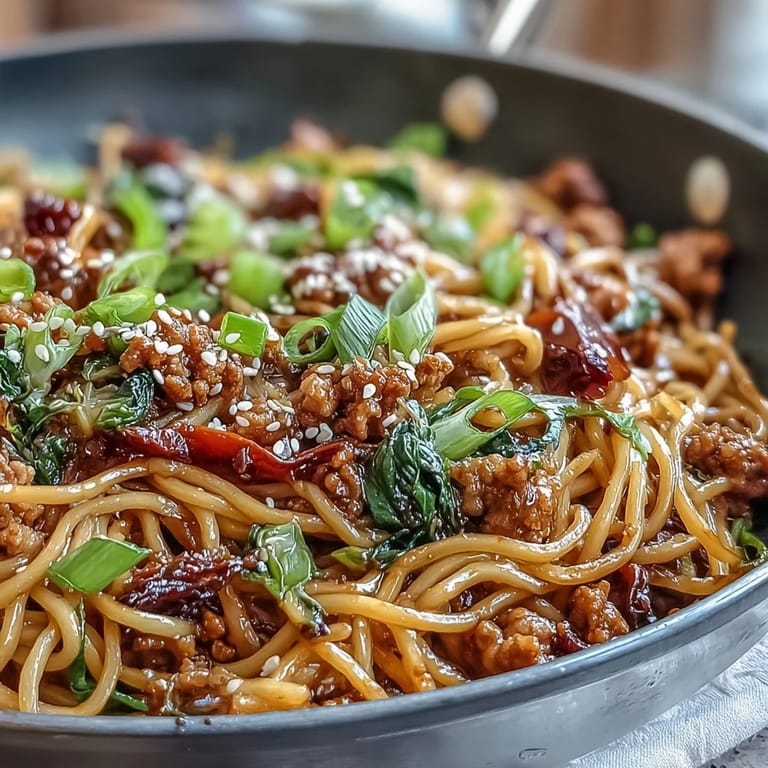
Save My neighbor handed me a takeout container of Korean fried noodles one evening, and I was instantly hooked by the savory-spicy sauce clinging to every strand. That night, I decided to recreate it at home using ground turkey instead of the mystery protein, and somehow it tasted even better. Now this dish is my go-to when I need something that feels indulgent but doesn't require much time or fuss. The beauty of it is how forgiving it is, how the sauce brings everything together into something that tastes like you've been cooking all day when really you haven't.
I made this for my sister last spring when she was going through a stressful work period, and watching her close her eyes while eating that first bite made me realize comfort food isn't always about tradition, it's about someone taking the time to cook something that tastes cared-for. She asked for the recipe immediately, and now she texts me photos of her versions with different vegetables thrown in. That's when I knew this was more than just a quick dinner, it was something that could become part of someone's regular rotation.
Ingredients
- Ground turkey: Lean and quick-cooking, it absorbs the sauce beautifully without becoming greasy, though you can swap in ground chicken for an even lighter touch.
- Fresh or dried wheat noodles: Udon gives you chewiness, ramen brings a slight curl that catches sauce in every bite, so choose based on your mood.
- Shredded carrots: They add natural sweetness and a slight crunch that keeps the dish from feeling one-note.
- Red bell pepper: Sliced thin, these stay crisp and bright, providing color and a mild sweetness that balances the heat.
- Napa cabbage: This is the secret ingredient that adds volume and a delicate texture without overwhelming the other flavors.
- Green onions: Fresh and aromatic, they're what make your kitchen smell like a real restaurant moment is happening.
- Soy sauce: The backbone of the sauce, bringing umami depth and saltiness that rounds everything out.
- Gochujang: This fermented Korean chili paste is the soul of the dish, offering complexity beyond just heat if you let it shine.
- Sesame oil: A little goes a long way, adding that toasty, nutty note that makes people ask what your secret ingredient is.
- Brown sugar: Just enough to soften the edges of the chili paste and create a subtle sweetness that feels balanced.
- Garlic and ginger: Minced fresh, these two create the aromatic foundation that smells like something special is cooking.
- Rice vinegar: A splash of brightness that keeps the sauce from tasting flat or one-dimensional.
- Toasted sesame seeds: Sprinkle generously, they're not just garnish but an essential textural element that ties everything together.
Tired of Takeout? 🥡
Get 10 meals you can make faster than delivery arrives. Seriously.
One email. No spam. Unsubscribe anytime.
Instructions
- Make your sauce first:
- Whisk together soy sauce, gochujang, sesame oil, brown sugar, minced garlic, rice vinegar, and ginger in a small bowl. You'll notice how the gochujang doesn't fully dissolve at first, but that's fine, the heat will help it meld with everything else later.
- Cook the noodles until just tender:
- Follow package directions, then drain and rinse them under cold water so they don't clump together while you're building the rest of the dish. Cold water stops the cooking and makes them easier to toss later.
- Brown the turkey with confidence:
- Heat a large skillet or wok over medium-high heat, add a drizzle of oil, then break apart the ground turkey as it cooks, letting it get golden and caramelized at the edges. This takes about 4 to 5 minutes and is where the flavor really starts to build.
- Get your vegetables slightly soft:
- Toss in the sliced onion, carrots, and bell pepper, stirring constantly for 2 to 3 minutes until they start to soften but still have some snap to them. Then add the shredded cabbage and cook another 2 minutes, which keeps everything from turning mushy.
- Coat everything in that magic sauce:
- Pour in your prepared sauce and toss constantly, watching as the turkey and vegetables glisten and deepen in color. The heat helps the gochujang really meld into something cohesive and delicious.
- Unite noodles and filling:
- Add your cooked noodles to the skillet and toss everything together for 2 to 3 minutes, making sure every strand gets coated in that savory sauce. You'll know it's done when the noodles are heated through and the whole thing smells irresistible.
- Finish with restraint and joy:
- Remove from heat, then shower the top with toasted sesame seeds and extra green onions if you have them. Serve immediately while it's hot and steaming.
 Save
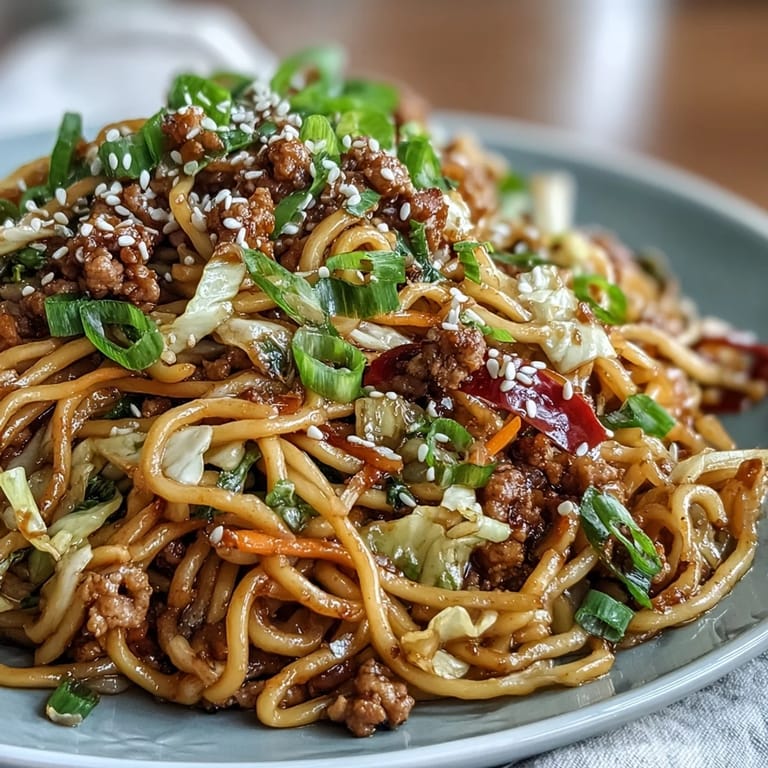
Save The first time I made this for my partner, he stopped mid-bite and asked if we could just keep making this forever. That moment, when something simple you've created becomes someone else's favorite, is when cooking transforms from a chore into something that matters. Every time I make it now, I remember that feeling.
The Gochujang Magic
Gochujang changed everything for me about weeknight cooking, because it's a shortcut to depth that doesn't taste like a shortcut. One tablespoon of this fermented paste brings umami, heat, and a subtle sweetness that would take hours to build from scratch with other ingredients. I used to think I needed complicated flavor profiles, but this one ingredient proved me wrong.
Vegetable Flexibility
What I love most about this dish is that you can switch out vegetables based on what's in your crisper drawer without losing the soul of it. Broccoli florets work beautifully, snap peas add a different kind of crunch, even mushrooms become silky and absorb that sauce like little flavor sponges. The base of turkey, noodles, and sauce is so strong that it supports whatever vegetables you want to celebrate that week.
How to Make It Your Own
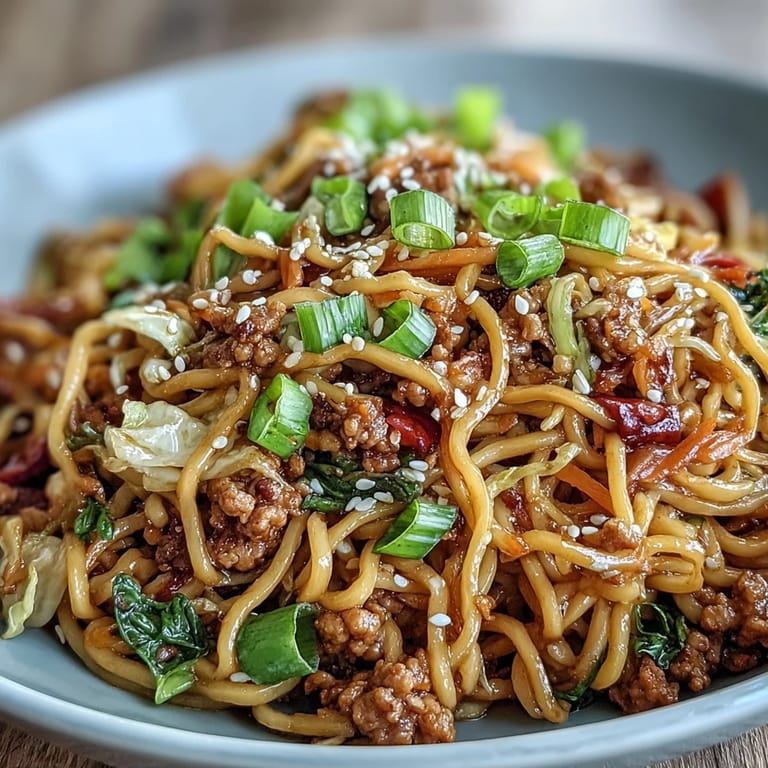
This recipe is really a template more than a rigid set of rules, which is how the best weeknight meals should feel. Once you understand the sauce balance and cooking method, you can take it in any direction your kitchen allows. Some nights I add a whisper of extra gochugaru for heat, other times I throw in some oyster sauce for deeper richness, and it always feels like the right call.
- Swap ground chicken for turkey if you want something even lighter, or go with beef if you're in the mood for something richer.
- Add a poached egg on top for extra richness and to make it feel more special than it deserves.
- Toss in some peanuts or cashews at the end if you want to add unexpected texture and nuttiness.
 Save
Save This dish has become the recipe I make when I want to prove that good food doesn't require hours or a long ingredient list. It's proof that sometimes the simplest dinners, cooked with intention, are the ones that stick with people.
Kitchen Guide
- → What type of noodles work best?
Udon and ramen noodles both work beautifully due to their thickness and ability to hold sauce. Fresh wheat noodles have the best texture, but dried noodles are perfectly fine when cooked according to package directions.
- → Can I make this less spicy?
Reduce the gochujang to 1 tablespoon or substitute with a milder fermented bean paste. The sauce will still have depth without overwhelming heat.
- → How do I store leftovers?
Store in an airtight container in the refrigerator for up to 3 days. Reheat in a skillet over medium heat, adding a splash of water to refresh the sauce coating.
- → What vegetables can I substitute?
Bok choy, snap peas, bean sprouts, or sliced mushrooms work well. Keep the total vegetable quantity similar for proper balance with the noodles and sauce.
- → Is gochujang essential?
Gochujang provides signature Korean flavor with its fermented chili and sweet-savory profile. Sambal oelek mixed with a little miso paste can work in a pinch.
- → Can I prepare the sauce ahead?
Yes, whisk the sauce together up to 3 days in advance and store refrigerated in a sealed jar. The flavors actually develop nicely over time.