 Save
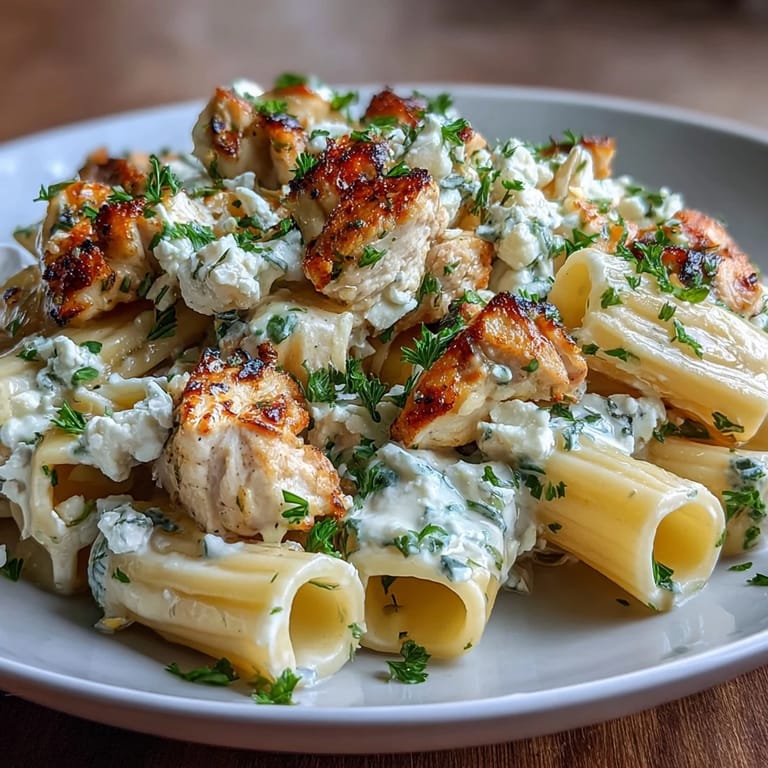
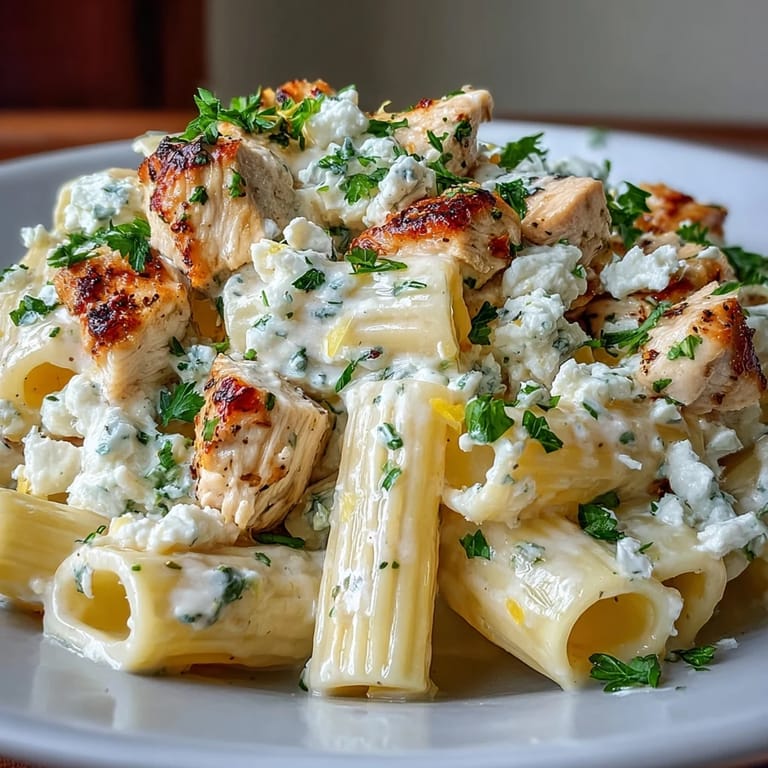
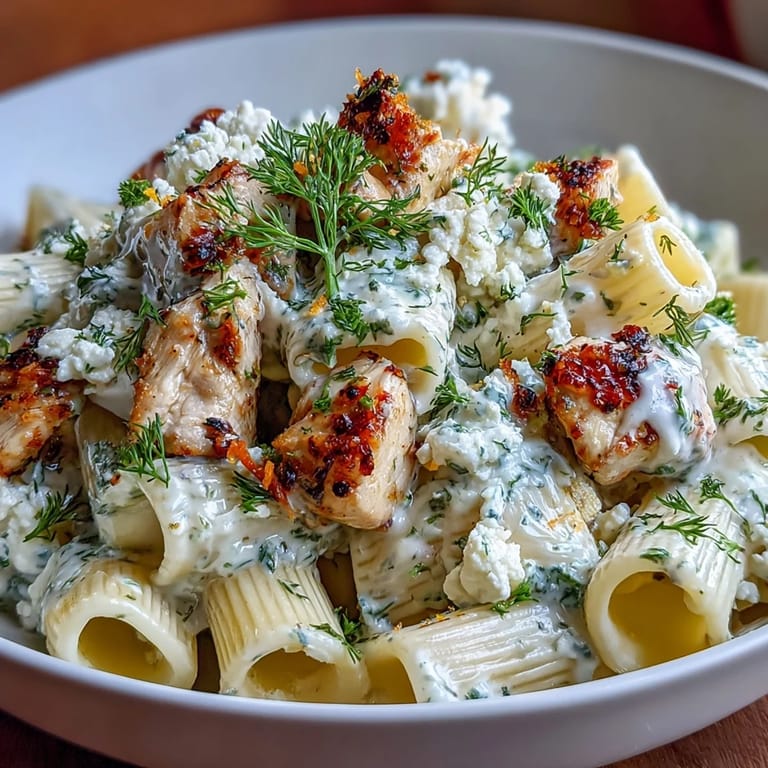
Save Last summer, my neighbor brought over a container of creamy lemon pasta she'd made for a potluck, and I couldn't stop thinking about it for weeks. The way the tangy feta cut through the richness, how the lemon just sang without being sharp—I had to figure out how to recreate it. What started as a casual afternoon in the kitchen turned into my go-to dinner when I want something that feels fancy but comes together in under 45 minutes. This Greek-inspired dish has quietly become the one I make when I want to impress without the stress.
I made this for my sister during one of those chaotic family dinners where someone had to bring something good but nobody had time to fuss. She took one bite and her whole expression changed—the kind of quiet moment that happens when food just lands right. Now she texts me for the recipe every few months, which might be the highest compliment a home cook can get.
Ingredients
- Pasta (340 g penne or rigatoni): Use whichever shape you have because it's the sauce that makes this work, though penne catches the creamy bits better if you're splitting hairs.
- Chicken breasts (2 large, about 450 g, cut into bite-sized pieces): Don't skip cutting them into pieces—it lets them cook evenly and absorb the sauce instead of sitting on top like logs.
- Dried oregano (1 tsp): This is what makes it feel Greek instead of just another cream sauce, so don't substitute it with Italian seasoning.
- Salt and black pepper (1/2 tsp each, plus more to taste): Taste as you go because the feta already brings saltiness to the party.
- Olive oil (2 tbsp): Good enough to cook with, not your precious finishing oil—save that for drizzling later if you want.
- Garlic (3 cloves, minced): Fresh garlic only here; the dried stuff will make this taste like a sad cafeteria, so push back if someone suggests it.
- Lemon zest and juice (1 large lemon): This is the secret weapon that stops the cream from feeling heavy—zest it before you juice or you'll be frustrated trying to zest a halved lemon.
- Heavy cream (180 ml / 3/4 cup): Don't even think about using light cream because the sauce will break when you add the cheese.
- Chicken broth (60 ml / 1/4 cup): Low-sodium if you can find it, because you're already adding feta which is salty enough.
- Feta cheese (100 g, crumbled): Buy the good stuff if you can because cheap feta tastes like disappointment wrapped in plastic.
- Parmesan cheese (50 g grated): Freshly grated makes all the difference—the pre-shredded kind has cornstarch that makes the sauce grainy instead of smooth.
- Fresh parsley (2 tbsp chopped): This finishes the dish with a little brightness, not just for decoration even though it looks nice.
Tired of Takeout? 🥡
Get 10 meals you can make faster than delivery arrives. Seriously.
One email. No spam. Unsubscribe anytime.
Instructions
- Get your pasta going:
- Fill a large pot with salted water and bring it to a rolling boil while you prep everything else. Once it's boiling, add pasta and cook until just shy of tender—you're aiming for that sweet spot where it still has a tiny bit of resistance when you bite it. Reserve a cup of starchy pasta water before draining because you'll use it to loosen the sauce later.
- Season and sear the chicken:
- While the pasta cooks, toss your chicken pieces with oregano, salt, and pepper—make sure every piece gets coated. Heat olive oil in a large skillet over medium-high heat until it shimmers, then add the chicken and let it sit for a minute before stirring so it gets golden instead of steamed.
- Build the sauce foundation:
- Once chicken is cooked through and golden (about 6 to 8 minutes), push it to the side and add minced garlic to the empty space, stirring constantly so it doesn't burn. After just 30 seconds when it smells incredible, pour in the lemon zest and juice, then the cream and broth together.
- Make it creamy:
- Let the mixture simmer gently for a minute, then turn the heat down to low and slowly whisk in the crumbled feta and Parmesan. Stir until they melt into the sauce rather than staying chunky—this is patience work, but it takes maybe two minutes and transforms everything into silk.
- Bring it all together:
- Return the chicken to the skillet, add your drained pasta, and toss everything so every strand gets coated. Add pasta water a splash at a time if it looks too thick—the sauce should coat the pasta without pooling at the bottom of the pan.
- Final touches:
- Stir in the chopped parsley and taste, adjusting salt and pepper as needed. Remember the feta is salty, so you might not need much more.
 Save
Save There's something about serving this dish that feels like you've pulled off something bigger than you did—the aroma alone makes people lean in before they even taste it. When someone asks for your recipe instead of just complimenting the food, you know you've landed on something worth keeping.
When to Add Vegetables
If you want to sneak in some greens without changing the vibe, baby spinach wilts right into the sauce at the very end, disappearing into the creamy base and adding nothing but nutrition. Cherry tomatoes work too if you halve them and warm them through for the last minute—they burst slightly and taste amazing with the lemon, though they'll add a tiny bit of liquid so watch the sauce consistency.
Making It Lighter
If cream-heavy dishes make you feel weighed down, swapping half the heavy cream for Greek yogurt creates something tangier and less rich while keeping that silky texture. Add the yogurt at the very end on low heat so it doesn't separate, and you'll get something that tastes just as special but won't put you into a food coma. The lemon becomes more prominent this way, which honestly might even be better.
Pairing and Storage
A crisp white wine like Sauvignon Blanc or Assyrtiko cuts through the richness of the sauce and makes the whole meal feel summery even in winter. Leftovers actually taste good the next day when gently reheated with a splash of pasta water or fresh cream to refresh the sauce, though honestly this makes enough for four that there usually aren't any.
- This dish is best served immediately while the sauce is still glossy and the pasta is warm.
- If you're cooking ahead, finish cooking the pasta one minute early and add it to the sauce only when you're ready to serve.
- Store any leftovers in an airtight container in the fridge for up to three days.
 Save
Save This pasta somehow became the dish I reach for when I want to feel like I cooked something impressive but remember I actually have a life outside the kitchen. It's become my favorite kind of recipe—the one that tastes like it took hours but only needed your attention for a quick evening.
Kitchen Guide
- → Can I use a different type of pasta?
Yes, while penne and rigatoni work wonderfully to hold the creamy sauce, you can use other pasta shapes like fusilli, farfalle, or even spaghetti. Just adjust the cooking time according to package instructions.
- → How do I prevent the sauce from becoming too thick?
Reserve about 1/2 cup of pasta water before draining. The starchy water helps thin out the sauce while maintaining its creamy consistency. Add it gradually until you reach your desired thickness.
- → Can I make this lighter?
Absolutely. You can substitute Greek yogurt for half the heavy cream to reduce calories while maintaining creaminess. The sauce will be slightly tangier but still delicious.
- → How should I store leftovers?
Store in an airtight container in the refrigerator for up to 3 days. The sauce may thicken when cold, so add a splash of cream or pasta water when reheating on the stove over medium-low heat.
- → What vegetables can I add?
Baby spinach and cherry tomatoes are excellent additions that bring color and nutrition. Add spinach during the last minute of tossing so it wilts slightly, and add tomatoes when returning the chicken to the skillet.
- → Can I use chicken thighs instead of breasts?
Yes, boneless skinless chicken thighs work beautifully and often stay juicier. Just adjust the cooking time slightly to ensure they're cooked through—about 8-10 minutes depending on size.