 Save
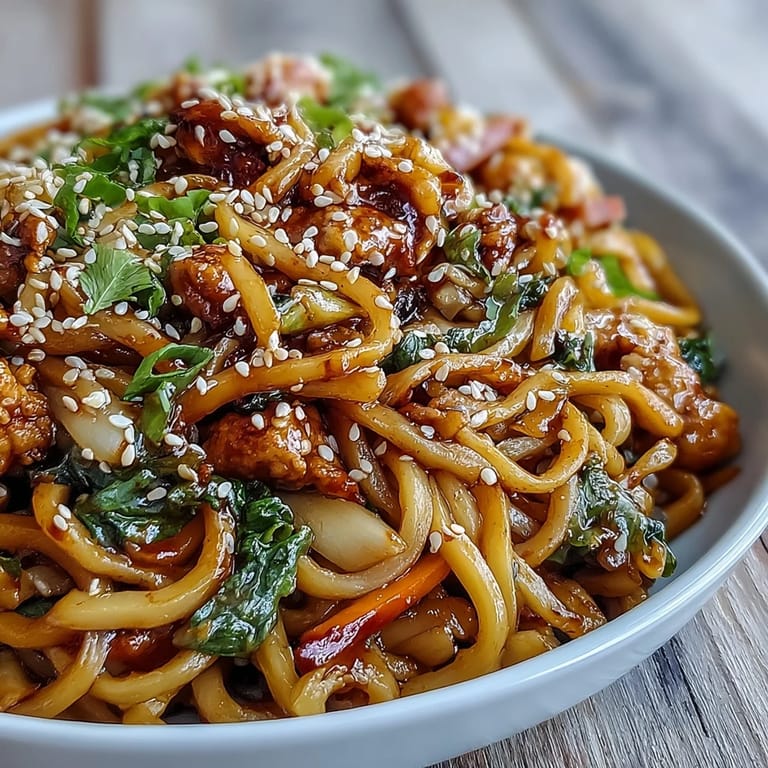
Save My neighbor handed me a container of gochujang one afternoon with zero explanation, just a knowing smile. That night, I had ground turkey thawing and half a bag of noodles sitting in my pantry, so I decided to wing it. Twenty minutes later, my kitchen smelled like a Seoul street stall, and I was standing over the stove with sauce dripping down my chin, completely hooked. This Korean-inspired turkey noodle dish became my answer to those evenings when I needed something fast but didn't want to sacrifice flavor or that satisfying sizzle of a proper stir-fry.
I made this for my friend Marcus one rainy Thursday, and he ate almost the entire pot while we watched a movie. He kept asking for the recipe between bites, and when I told him the ingredient list, he was shocked at how simple it actually was. That's when I realized this dish has that rare quality of tasting like restaurant-level cooking while being something anyone can pull off in their home kitchen.
Ingredients
- Fresh or dried wheat noodles (300 g): Fresh ones cook in minutes and have a silkier bite, but dried udon works beautifully too and lasts forever in the pantry.
- Soy sauce (3 tbsp): This is your umami foundation, so don't skip it or swap it for something lighter.
- Gochujang (2 tbsp): This Korean chili paste brings the heat and depth that makes this dish unmistakably special, trust me.
- Brown sugar (1 tbsp): It balances the spice and saltiness, creating that addictive sweet-savory tension.
- Rice vinegar (1 tbsp): A tiny bit of acid keeps everything bright and prevents the sauce from feeling one-note.
- Sesame oil (1 tbsp): Use the good stuff here because you can actually taste it, and it makes a real difference.
- Ground turkey (400 g): Lean enough that it doesn't become greasy, but with enough fat to stay flavorful when stir-fried.
- Vegetable oil (2 tbsp): Split between cooking the turkey and vegetables to manage heat and prevent sticking.
- Garlic and ginger (3 cloves and 1 tbsp): These are what make your kitchen smell like you're doing something serious.
- Yellow onion (1 medium): Adds sweetness and body without overpowering the other flavors.
- Carrot (1 medium): Julienne it thin so it cooks through and stays slightly crisp.
- Red bell pepper (1): Brings color and a mild sweetness that complements the spicy sauce perfectly.
- Shiitake mushrooms (100 g): These add an earthy depth that elevates the whole dish, though cremini works fine too.
- Spring onions (2 stalks): Half go in at the end for freshness, and the other half garnish the top for that restaurant touch.
- Toasted sesame seeds (1 tbsp): Don't use the raw ones, this garnish deserves that nutty flavor.
Tired of Takeout? 🥡
Get 10 meals you can make faster than delivery arrives. Seriously.
One email. No spam. Unsubscribe anytime.
Instructions
- Get your noodles ready:
- Boil water and cook the noodles exactly as the package tells you to, because overcooked noodles will turn to mush once they hit the pan. Drain them thoroughly and rinse with cold water to stop the cooking and keep them from sticking together.
- Mix your magic sauce:
- Whisk soy sauce, gochujang, brown sugar, rice vinegar, and sesame oil in a small bowl until smooth and glossy. This is where all the flavor lives, so take a second to actually blend it well instead of just dumping it together.
- Brown the turkey:
- Heat a tablespoon of oil in your wok or skillet over medium-high heat until it shimmers, then add the ground turkey and break it up with a wooden spoon as it cooks. You want it completely cooked through with no pink bits left, which takes about 5 minutes, then set it aside on a plate.
- Wake up the aromatics:
- Add the remaining oil to the pan and toss in your minced garlic and ginger, letting them sizzle for just 30 seconds until your kitchen fills with that incredible fragrant smell. Any longer and they'll burn, so timing matters here.
- Stir-fry the vegetables:
- Add your onion, carrot, bell pepper, and mushrooms all at once, then keep stirring and tossing for 3 to 4 minutes until everything softens slightly but still has a little bite to it. You're looking for tender-crisp, not mushy.
- Bring it all together:
- Return the turkey to the pan, add the cooked noodles and that sauce you made, then toss everything over high heat for 2 to 3 minutes until the sauce coats everything and the whole dish is steaming hot. This is when the magic really happens.
- Finish with freshness:
- Stir in the sliced spring onions so they stay bright and slightly crisp, then divide everything into bowls and shower it with toasted sesame seeds and more spring onions.
 Save
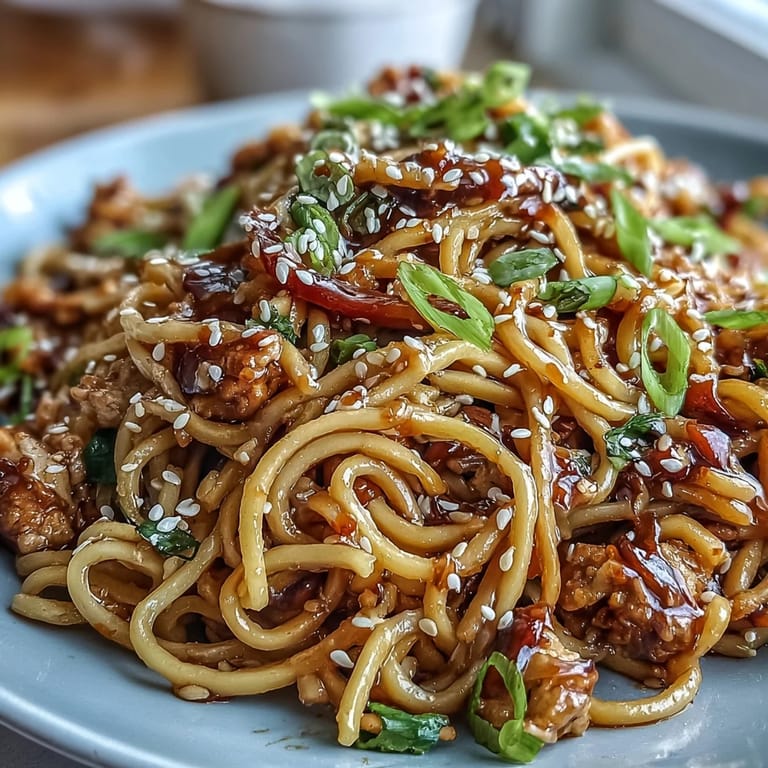
Save There's something about this dish that turned it into my go-to recipe for feeding people when I don't have hours to spend cooking. Everyone leaves satisfied, and nobody ever guesses how quickly it came together.
Building Better Layers of Flavor
This dish works because the sauce is so concentrated and flavorful that even small amounts coat everything evenly. When you're stir-frying, the high heat activates the gochujang and sesame oil, making them even more fragrant and deep. The trick is not to overcook anything after the sauce goes in, because you want the vegetables to stay crisp and the noodles to stay chewy rather than becoming a gummy mess.
Making It Your Own
The beauty of this recipe is that it actually welcomes substitutions and experiments. Ground chicken or beef work just as well as turkey if that's what you have on hand, and honestly, the vegetables are flexible too. I've thrown in zucchini, snap peas, and spinach when they were sitting around, and they all played nicely with the sauce.
Storage and Serving Ideas
This dish is actually one of those rare stir-fries that tastes almost as good the next day cold, straight from the container. You can store leftovers in an airtight container in the fridge for up to three days, and it reheats gently in a pan with a splash of water if you want it warm.
- Pair it with a side of kimchi or quick-pickled vegetables for a more authentic Korean moment.
- A cold lager or chilled soju alongside this is genuinely perfect, or just stick with iced water if that's more your speed.
- Double the recipe without stress because this makes four generous servings and holds up beautifully in the fridge.
 Save
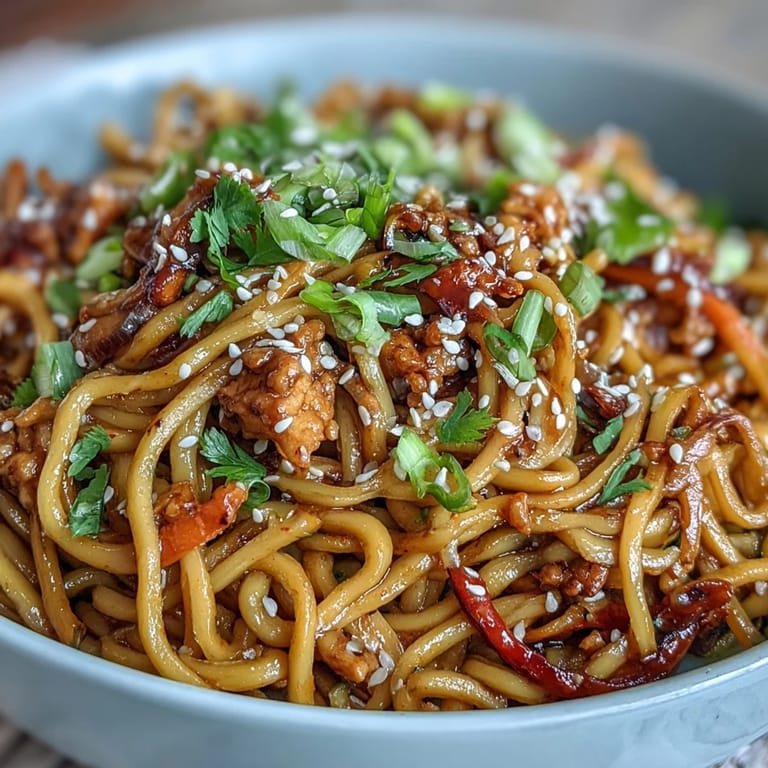
Save This recipe taught me that sometimes the fastest meals are the ones worth making over and over again. There's real joy in something this delicious that asks so little of your time.
Kitchen Guide
- → Can I use other proteins instead of ground turkey?
Yes, ground chicken or beef work well as substitutes. Adjust cooking time slightly to ensure the meat is fully browned and cooked through.
- → What type of noodles work best?
Wheat noodles like udon or ramen are ideal due to their chewy texture. Fresh noodles work great, but dried noodles are perfectly suitable when cooked according to package directions.
- → How can I adjust the spice level?
Reduce the gochujang for milder flavor, or increase it along with sliced fresh chilies or chili flakes for extra heat. The sauce is easily customizable to your preference.
- → Can I add more vegetables?
Absolutely. Zucchini, snap peas, spinach, or bok choy make excellent additions. Add them during the vegetable stir-fry step, adjusting cooking time as needed.
- → Is this dish freezer-friendly?
It's best enjoyed fresh, but you can freeze the cooked turkey and sauce mixture separately for up to 3 months. Cook fresh noodles and vegetables when ready to serve.
- → What sides pair well with this dish?
Fresh kimchi adds authentic Korean flavor and probiotic benefits. A crisp cucumber salad or steamed broccoli helps balance the rich flavors. Pair with chilled soju or light lager.