Save
Save My mum always said the best desserts taste like sunshine, and this lemon drizzle cake is exactly what she meant. Years ago, I watched her pull a golden loaf from the oven, the kitchen suddenly smelling like a Mediterranean grove, and I understood why this British classic had been her go-to for celebrations. The way that warm cake drinks in the tangy drizzle feels almost magical, like the cake is waking up and becoming itself. When I make it now, especially for Mother's Day, I think of her hands guiding mine through each step. It's become the cake I reach for whenever I need to say thank you without words.
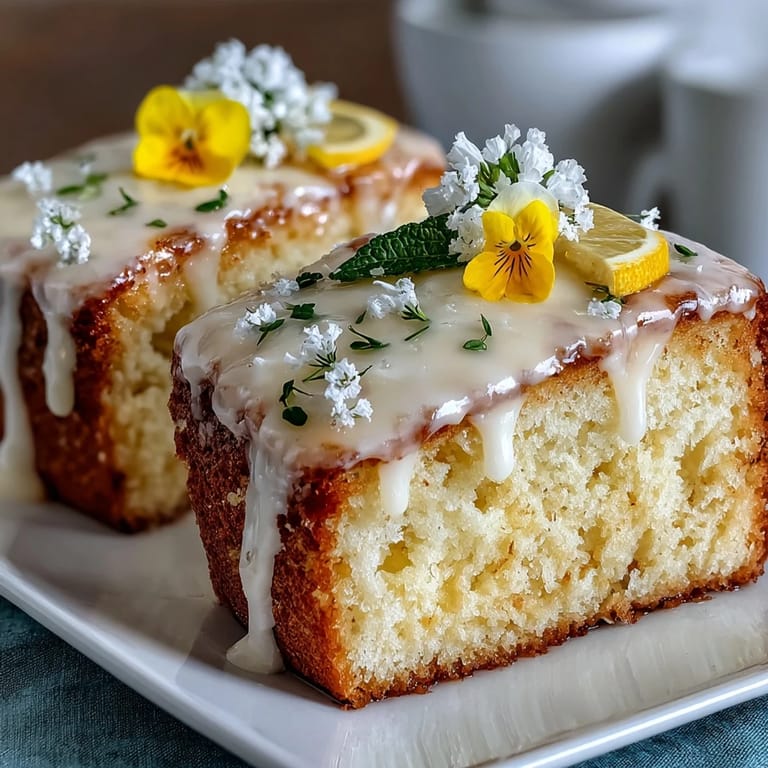
I brought this cake to a garden party last June, still nervous about whether the edible flowers would actually look elegant or just feel fussy. One of my friends took a bite, closed her eyes, and said it tasted like her grandmother's kitchen, which made the whole morning of decorating feel completely worth it. That's when I realized this cake carries more than flavour in it, it carries permission to make something pretty for people you care about.
Ingredients
- 225 g unsalted butter, softened: Use room temperature butter so it creams smoothly with the sugar, creating that essential pale and fluffy base that makes the cake tender.
- 225 g caster sugar: The fine grains dissolve quickly and help trap moisture, which is why this cake stays soft even days later.
- 4 large eggs: Room temperature eggs incorporate more easily, creating a lighter crumb and preventing the batter from splitting.
- 225 g self-raising flour: This does the heavy lifting for rise and structure, so don't skip the measuring cup and level it properly.
- Zest of 2 unwaxed lemons: Only use unwaxed lemons since you're using the skin, and zest them before juicing so you don't lose any precious oils.
- 2 tbsp whole milk: This loosens the batter just slightly and keeps the crumb moist without making it heavy.
- Pinch of salt: Salt doesn't make things taste salty, it wakes up the lemon flavour and balances the sweetness perfectly.
- Juice of 2 lemons: Fresh juice only, never the bottled kind, because the brightness is what makes the drizzle shine.
- 125 g icing sugar: This dissolves quickly with the lemon juice to create a glaze that sets just enough to hold shape.
- Assorted edible flowers: Check that they're specifically marked as edible and pesticide-free, then add them only just before serving so they stay crisp and pretty.
Tired of Takeout? 🥡
Get 10 meals you can make faster than delivery arrives. Seriously.
One email. No spam. Unsubscribe anytime.
Instructions
- Prepare your tin and oven:
- Preheat to 180°C (160°C fan) and grease your loaf tin thoroughly, then line it with parchment paper. This tiny step saves heartache when you're trying to remove a warm cake.
- Cream butter and sugar until cloud-like:
- Beat them together for about 3 to 4 minutes until the mixture turns pale and fluffy, which means you've incorporated air that will make the cake rise beautifully. You'll know it's ready when it looks almost like whipped cream.
- Add eggs one at a time, patiently:
- Beat each egg in fully before adding the next one, which keeps the batter smooth and prevents it from looking curdled. If it does split slightly, don't panic, the flour will bring it back together.
- Fold in dry ingredients gently:
- Add the flour, lemon zest, milk, and salt all at once, then fold with a spatula using as few strokes as possible because overmixing develops gluten and makes the cake tough. You want it just combined, not silky.
- Bake until a skewer comes out clean:
- Pour the batter into the tin and bake for 40 to 45 minutes, checking at the 40-minute mark by inserting a wooden skewer into the centre. When it comes out clean or with just a few crumbs, the cake is ready.
- Make the drizzle while cake bakes:
- Whisk lemon juice with icing sugar in a small bowl until you have a thin consistency that will soak in rather than sit on top. Taste it and adjust the balance if one flavour is overpowering the other.
- Poke and drizzle while warm:
- While the cake is still in the tin and warm from the oven, use a skewer to poke holes all over the top, then slowly pour the drizzle so it has time to soak in. The warmth helps it penetrate the crumb completely.
- Cool completely before decorating:
- Let the cake rest in the tin until it's completely cool, then turn it out onto a serving platter. This patience means the cake holds together and the flowers will look fresh on top.
 Save
Save There was a moment last Mother's Day when my daughter helped me dust the icing sugar over the top and carefully placed each pansy exactly where she wanted it, treating the cake like it was the most important thing in the world. She was maybe six years old, concentrating so hard her tongue was poking out slightly, and I realised the cake itself was almost beside the point compared to watching her make something for her grandmother with such focus and love. That's what this recipe does, it gives you permission to slow down and make something that matters.
The Secret of the Soak
The real magic of lemon drizzle cake isn't actually the drizzle itself, it's the moment you create tiny pathways for it to travel through. When you poke those holes while the cake is still warm, you're essentially creating a drinking straw system, and the cake drinks in that tart glaze like it's been waiting for it. The warmth matters because it softens the crumb just enough to receive the drizzle without letting it sink all the way to the bottom and get lost. This is why some lemon cakes taste moist and bright while others taste either dry or overly sweet, it's all in that poking and timing step.
Why Fresh Lemons Change Everything
Bottled lemon juice tastes like chemistry compared to fresh juice squeezed five minutes before you need it. The difference is especially noticeable in the drizzle where there's nothing to hide behind, no flour or butter to soften the blow if something tastes off. I learned this the hard way by trying to save time with a bottle and ending up with a cake that tasted vaguely artificial, so now I always zest the lemons first, then juice them while my oven preheats. The ritual of it actually makes the whole baking process feel less rushed.
Making It Your Own
Once you've made this cake a few times, you'll start seeing all the little ways you can adjust it without losing what makes it special. Some bakers swear by adding a tiny splash of vanilla or a grind of black pepper to the batter, while others infuse the drizzle with a whisper of elderflower or lavender. The edible flowers are where you can be totally creative too, mixing whatever looks beautiful to you or matches the season and the person you're making it for. Your experiments might not all work perfectly, but the ones that do become the stories you tell, the ones that make it yours.
- Try adding the zest of one lemon to the drizzle itself for extra intensity if you love bold flavours.
- Gluten-free bakers should substitute self-raising flour with gluten-free flour plus 1 tsp baking powder for the same reliable rise.
- Serve with a dollop of crème fraîche or whipped cream to add richness and cut through the bright lemon.
 Save
Save This cake has become my go-to proof that simple ingredients and a bit of care can create something that tastes like love. Every time someone takes a bite and smiles, I know exactly why my mum reached for this recipe so often.
Kitchen Guide
- → How do I ensure the cake stays moist?
Be careful not to overmix the batter to keep the texture light. Pouring the lemon glaze over the warm cake allows it to soak in, adding extra moisture.
- → What types of edible flowers work best for decoration?
Violas, pansies, nasturtiums, and rose petals are popular choices that are safe and visually appealing for decorating the cake.
- → Can I prepare the drizzle ahead of time?
Yes, you can whisk lemon juice and icing sugar in advance, but it's best to pour it over the cake while it's still warm to maximize absorption.
- → Is it possible to make this cake gluten-free?
Substitute self-raising flour with a gluten-free alternative and add 1 tsp baking powder to maintain texture and rise.
- → How should I store the finished cake?
Store in an airtight container at room temperature for up to two days, or refrigerate to keep it fresh longer, bringing it to room temperature before serving.