 Save
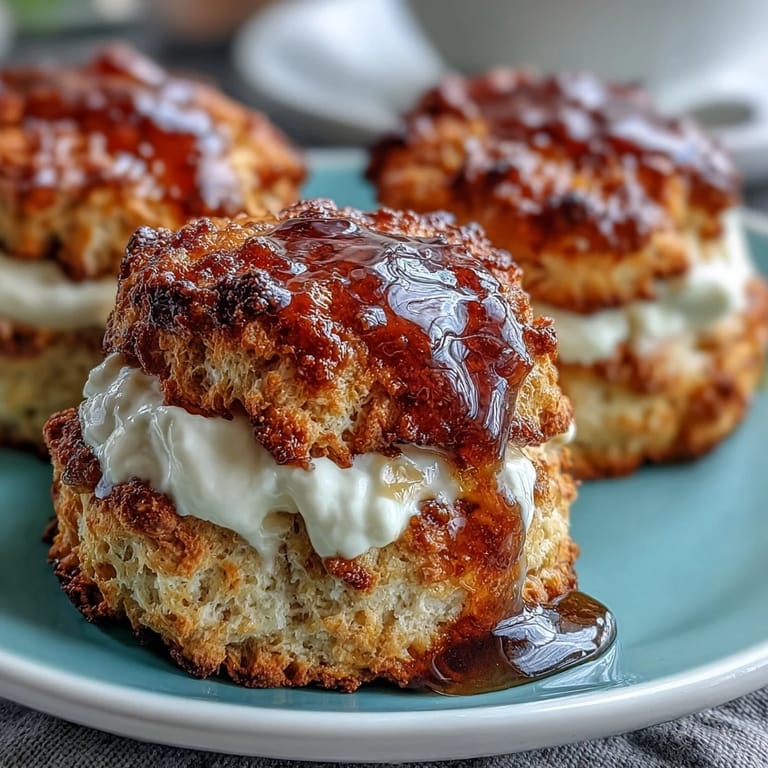
Save The first time I tasted dandelion honey was during a spring walk, when the gardens buzzed and a neighbor offered me a spoonful still warm from her hive. It felt almost magical, so when I finally tried it in a batch of scones, I was amazed at how its gentle sweetness transformed the dough. The kitchen filled with a floral aroma that seemed to linger even after the oven cooled. With the addition of clotted cream, these scones felt like a little celebration of spring. Every batch since has been a tiny reminder of spontaneous discoveries in the garden.
I made these scones for friends one weekend, and the conversation drifted from the quirky charm of dandelions to the best way to split a scone. There was laughter when someone tried to eat the cream with a fork, and even more when honey started pooling onto plates. The sun streaming through the window seemed to make the golden scones gleam even brighter. It was messy, joyful, and exactly what afternoon tea should be. These scones quickly disappeared, leaving only empty plates and sticky fingers.
Ingredients
- All-purpose flour: Sifted flour keeps the scones beautifully light—be sure to measure with care so the dough isn't too dense.
- Granulated sugar: Just enough sweetness to support the honey's gentle flavor.
- Baking powder: This gives the rise and fluffiness—always double-check it's fresh for best results.
- Fine sea salt: Balances the sweet and prevents blandness.
- Cold unsalted butter: Using it cold and cubed is key; keep your hands cool so the butter doesn't melt too quickly.
- Dandelion honey: Floral and subtle, it makes the scones special; mild honey works if you can't find dandelion.
- Whole milk: Room temperature milk blends more easily into the dough.
- Large egg: Helps bind and enrich—crack gently to avoid bits of shell.
- Dandelion honey, for drizzling: A finishing touch that invites you to linger over each bite.
- Clotted cream: Rich and thick, it pairs perfectly—let it come to room temperature for easy spreading.
Tired of Takeout? 🥡
Get 10 meals you can make faster than delivery arrives. Seriously.
One email. No spam. Unsubscribe anytime.
Instructions
- Get Your Oven Ready:
- Preheat to 400°F (200°C) and line a baking sheet with parchment—the scones won't stick and cleanup is a breeze.
- Mix the Dry Ingredients:
- In a big bowl, whisk flour, sugar, baking powder, and salt until everything seems evenly scattered and bright.
- Rub in the Butter:
- Add the cold butter cubes, and using your fingertips, pinch and rub until the mixture is coarse and some bits are as big as peas.
- Blend the Wet Ingredients:
- Whisk honey, milk, and egg until smooth—the honey will ribbon slowly into the mix.
- Combine Wet and Dry:
- Pour the wet liquid into the dry bowl, stirring gently with a fork; stop as soon as the dough comes together, even if it feels a little lumpy.
- Shape the Dough:
- Tip the soft dough onto a lightly floured surface and pat it into a round about 1 inch thick.
- Cut Out the Scones:
- Press your round cutter straight down—don't twist!—and pop each scone onto the tray; gather scraps and repeat.
- Brush and Bake:
- Dab milk over the tops for shine, then slide the tray into the oven and let them bake for 12–15 minutes until golden and puffed.
- Cool and Serve:
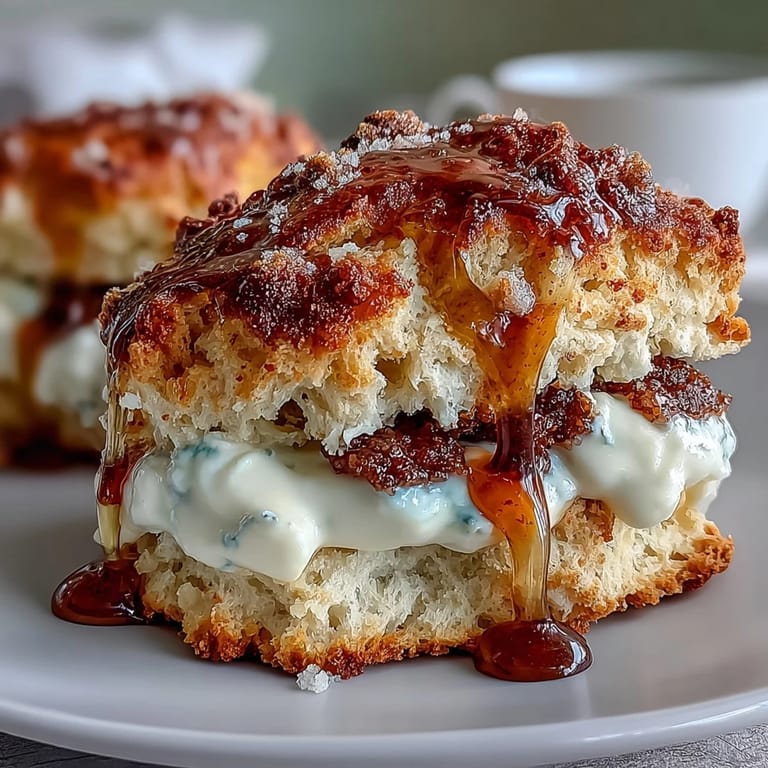
- Lift scones onto a rack; once warm but not hot, smother with clotted cream and drizzle generously with honey.
 Save
Save The day these scones made it onto my brunch table, I watched two kids quietly observe the honey drizzle, then giggle as they tried to balance cream atop their scone halves. A simple plate of scones turned into an impromptu lesson in sharing and savoring. It felt like more than food—it was a moment that lingered in conversation and smiles throughout the afternoon.
Spring Serving Ideas for Scones
In spring, I like pairing these scones with tea flavored with lemon zest or a fruit compote. A handful of edible flowers scattered over the cream brings an extra pop of color and charm to the plate. Sometimes, I set out tiny bowls of jam—raspberry and apricot always make guests pause and choose carefully. The result is a table that feels as fresh as the season outside.
Make-Ahead and Storage Tips
Baking the scones earlier in the day lets you focus on tea or company when guests arrive. If you need to keep them fresh, store cooled scones in an airtight container and pop them in a warm oven for a few minutes before serving. Leftovers are lovely toasted the next morning. Even after a day or two they taste comforting, though nothing beats them straight from the oven.
Recipe Variations and Quick Fixes
If you want extra floral notes, a teaspoon of dried dandelion petals folded into the flour does wonders. When clotted cream isn't in the fridge, thick crème fraîche is a perfectly luxurious stand-in. Baking for a crowd? Double the recipe, but work in batches so you don't overmix the dough.
- Add a pinch of lemon zest to the wet ingredients for brightness.
- Use parchment to prevent sticking and uneven browning.
- Always serve scones warm, with cream softened for easy spreading.
 Save
Save These dandelion honey scones turn any afternoon into a cheerful occasion. When you bake them, the kitchen feels instantly brighter, and every bite is a gentle reminder of spring's simple joys.
Kitchen Guide
- → What makes dandelion honey unique in these scones?
Dandelion honey adds delicate floral notes and subtle sweetness, elevating the flavor of the scones without overpowering them.
- → Can I substitute dandelion honey?
Yes, a mild-flavored honey works well if dandelion honey is unavailable, preserving the essence of the scones.
- → What is the best way to serve these scones?
Serve them warm with generous clotted cream and a drizzle of honey for a classic British tea experience.
- → How do I achieve a tender crumb?
Use cold butter rubbed gently into the dry ingredients, and avoid overmixing to maintain a delicate texture.
- → What alternatives exist to clotted cream?
Thick crème fraîche or mascarpone offer creamy substitutes if clotted cream is hard to source.
- → Can dried dandelion petals be added?
Yes, adding a teaspoon of dried petals imparts more floral aroma and subtle flavor to the scones.