 Save
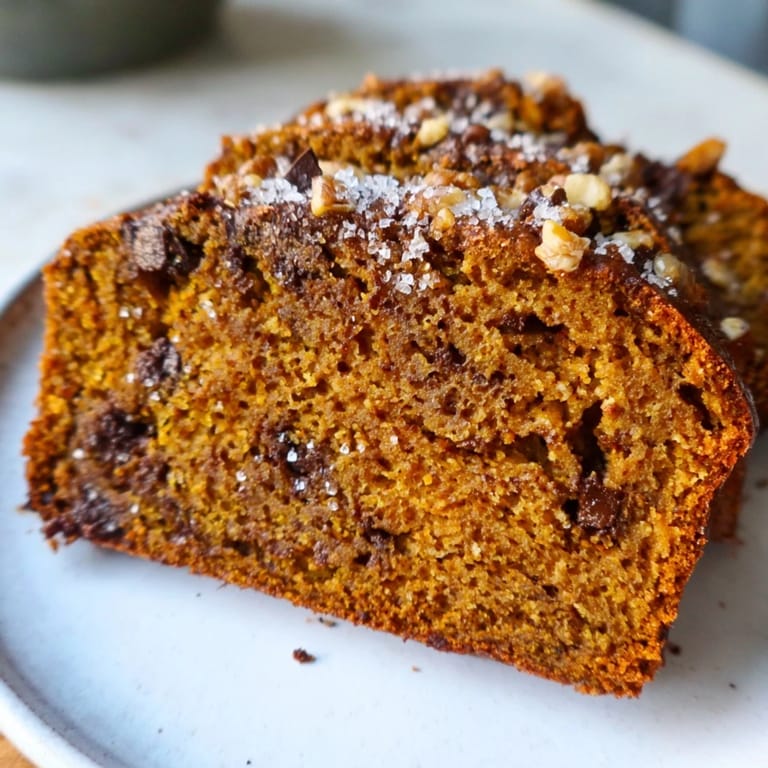
Save Every October, without fail, I find myself standing in front of the grocery store's produce section, drawn to the bins of pumpkin like some kind of seasonal ritual. There's something about that particular shade of orange that makes me want to bake, and somehow I always end up with a loaf of pumpkin bread cooling on my kitchen counter. One year, a friend stopped by unannounced on a gray afternoon, and the smell of cinnamon and nutmeg filling the house was enough to turn her whole mood around. She asked for the recipe that very day, and I realized this wasn't just about the spices anymore—it was about creating that exact moment of comfort for someone else.
I made this bread for the first time when my roommate was going through a rough patch, and I remembered her mentioning she loved pumpkin everything. The moment she walked in and caught the aroma, she actually sat down at the kitchen table and cried a little—not because the bread was extraordinary, but because someone had thought of her in that small, quiet way. Now, years later, I still think of that afternoon whenever I mix the batter.
Ingredients
- All-purpose flour (2 cups): This is your foundation, and measuring by weight matters here—a cup can hold different amounts depending on how packed it is, so try to weigh it if you can.
- Ground cinnamon (1½ teaspoons): The spice that makes people ask what you're baking before they even step inside—fresh is noticeably better than the dusty jar that's been sitting for two years.
- Ground nutmeg (½ teaspoon): A little goes a long way; this isn't an ingredient to eyeball generously or the bread tastes like you're eating a spice cabinet.
- Ground cloves (¼ teaspoon): The secret ingredient that makes everyone say the bread tastes like autumn, even if they can't identify what it is.
- Ground ginger (¼ teaspoon): Adds a gentle warmth that rounds out the spice profile without any heat.
- Baking soda and baking powder: This combination gives you a tender crumb that's sturdy enough to slice cleanly but never dense.
- Pumpkin purée (1½ cups): Use actual pumpkin, not pumpkin pie filling—the filling has sugar and spices already mixed in, and you'll end up with something too sweet and confused in flavor.
- Granulated and brown sugars: The mix of both keeps the bread moist and adds subtle complexity that all-granulated sugar can't achieve.
- Eggs (2 large): Your binding agent and structure; room temperature eggs incorporate more smoothly than cold ones pulled straight from the fridge.
- Vegetable oil or melted butter (½ cup): Oil keeps the bread moister longer, but butter adds a richer flavor—choose based on what you're after.
- Milk (¼ cup): Thinners the batter just enough to ensure even baking without drying things out.
- Vanilla extract (1 teaspoon): Rounds out the spices and adds a subtle sweetness that feels complete.
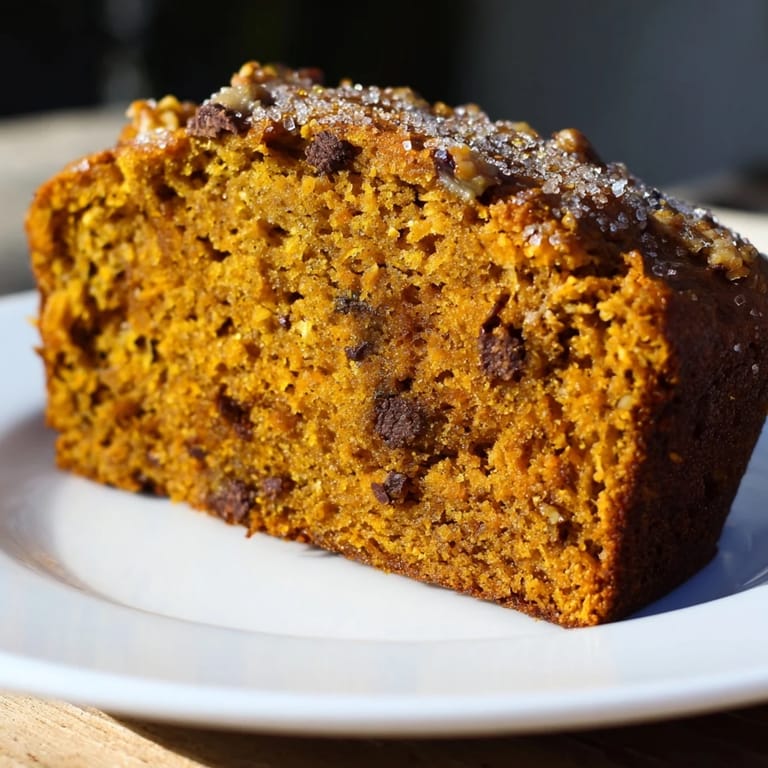
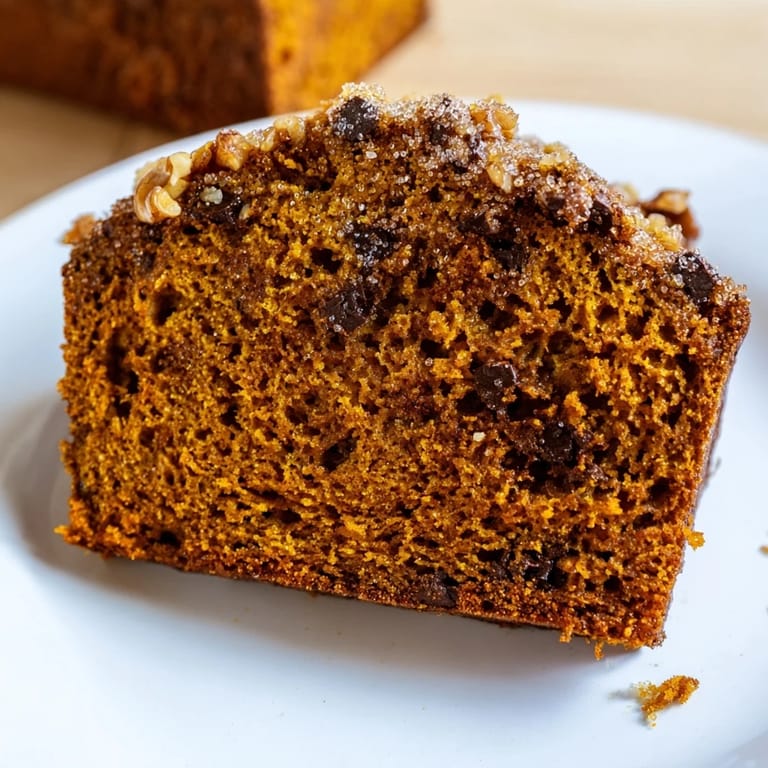
- Optional nuts or chocolate chips: Walnuts add earthiness, pecans add buttery depth, and chocolate chips melt into pockets of indulgence—all are valid choices.
Tired of Takeout? 🥡
Get 10 meals you can make faster than delivery arrives. Seriously.
One email. No spam. Unsubscribe anytime.
Instructions
- Prep your pan and heat your oven:
- Set the oven to 350°F and grease your loaf pan with a light hand, then line it with parchment paper so the bread slides out without any wrestling. This step takes less than two minutes but saves you from a stuck or damaged loaf.
- Combine all the dry ingredients:
- In a medium bowl, whisk together flour, cinnamon, nutmeg, cloves, ginger, baking soda, baking powder, and salt until everything is evenly distributed and there are no hidden pockets of baking soda. The whisking aerates the flour slightly and ensures the leavening agents are spread throughout.
- Mix the wet ingredients together:
- In another bowl, whisk the pumpkin purée with both sugars, then add eggs one at a time, whisking between each addition so they incorporate smoothly. Pour in oil, milk, and vanilla, whisking until the mixture is creamy and well combined—this creates an emulsion that helps the bread stay moist.
- Bring the two together gently:
- Pour the wet mixture over the dry ingredients and fold with a spatula using slow, deliberate motions until just barely combined. Overmixing develops gluten and makes the bread tough and dense, so stop while you still see a few streaks of flour.
- Fold in your add-ins:
- If you're using nuts or chocolate chips, scatter them in and fold gently until they're distributed throughout the batter. Do this after combining the wet and dry so they don't settle to the bottom.
- Transfer to the pan and smooth the top:
- Pour the batter into your prepared loaf pan and use a spatula to smooth the surface evenly so it bakes uniformly. A level top helps the bread rise evenly and look finished.
- Bake until a toothpick tells you it's ready:
- Slide the pan into the oven for 55 to 65 minutes, checking at the 55-minute mark by inserting a toothpick into the center. It should come out clean or with just a few moist crumbs clinging to it—if it's covered in wet batter, give it another 5 minutes.
- Cool with patience:
- Let the bread rest in the pan for 10 minutes, then turn it out onto a cooling rack to finish cooling completely before slicing. This resting period prevents the bread from being gummy in the middle.
 Save
Save The first time I gave a loaf of this bread to someone, I included a small note about how to store it, and she called me later saying she'd eaten half of it before remembering to wrap it up. That's when I knew I'd nailed it—not because it was perfect, but because it had that quality of being too good to resist in the moment.
Storage and Keeping
Wrapped tightly in plastic wrap or stored in an airtight container, this bread stays soft and fresh at room temperature for up to three days. If you want to keep it longer, wrap the cooled loaf in plastic wrap, then foil, and freeze it for up to two months—it defrosts beautifully and tastes nearly as fresh as the day you made it. I've learned the hard way that pumpkin bread dries out faster than you'd think if it's left unwrapped, so invest the thirty seconds in wrapping it properly.
Variations and Swaps
The beauty of this recipe is how flexible it is once you understand the base. Dried cranberries add a tart brightness that cuts through the sweetness, pumpkin seeds toast to a satisfying crunch, and white chocolate chips melt into unexpected pockets of elegance. I've also made it with half whole wheat flour for a nuttier flavor, and once I replaced half the pumpkin purée with sweet potato and couldn't tell the difference—it was equally good. The spice ratios are forgiving enough that you can lean into whichever direction your mood takes you.
Why This Bread Never Disappoints
Pumpkin bread occupies this rare space where it's humble enough for a casual Tuesday morning with coffee but impressive enough to bring to a potluck or wrap up as a gift. The flavor deepens slightly as it sits for a day or two, so making it ahead is never a problem. There's also something deeply satisfying about having a full loaf appear on your counter after just an hour of work—it feels like a small kitchen magic trick.
- Make this bread in late September or early October while pumpkin purée is still available in every grocery store and the craving for warm spices feels natural.
- Slice it while it's still faintly warm and spread a thin layer of softened butter on top—it melts into the crumb in the most comforting way.
- Keep a loaf in your freezer so you always have something to offer when someone stops by unexpectedly needing comfort in food form.
 Save
Save This bread has become my go-to response to almost every autumn occasion—the thing I bake when I want to show up for someone without making a fuss. There's real kindness in a warm slice and the knowledge that someone took the time to think of you.
Kitchen Guide
- → What spices are used in the pumpkin bread loaf?
Cinnamon, nutmeg, cloves, and ginger blend together to create a warm, aromatic flavor.
- → Can I add nuts or chocolate chips to the loaf?
Yes, folding in chopped walnuts, pecans, or chocolate chips adds texture and richness.
- → How long should the loaf bake?
Bake between 55 and 65 minutes at 350°F until a toothpick comes out mostly clean.
- → What is the best way to store leftovers?
Keep wrapped tightly at room temperature for up to 3 days or freeze for up to 2 months.
- → Can I substitute the oil in the loaf?
Yes, vegetable oil can be replaced with melted unsalted butter for a richer taste.