 Save
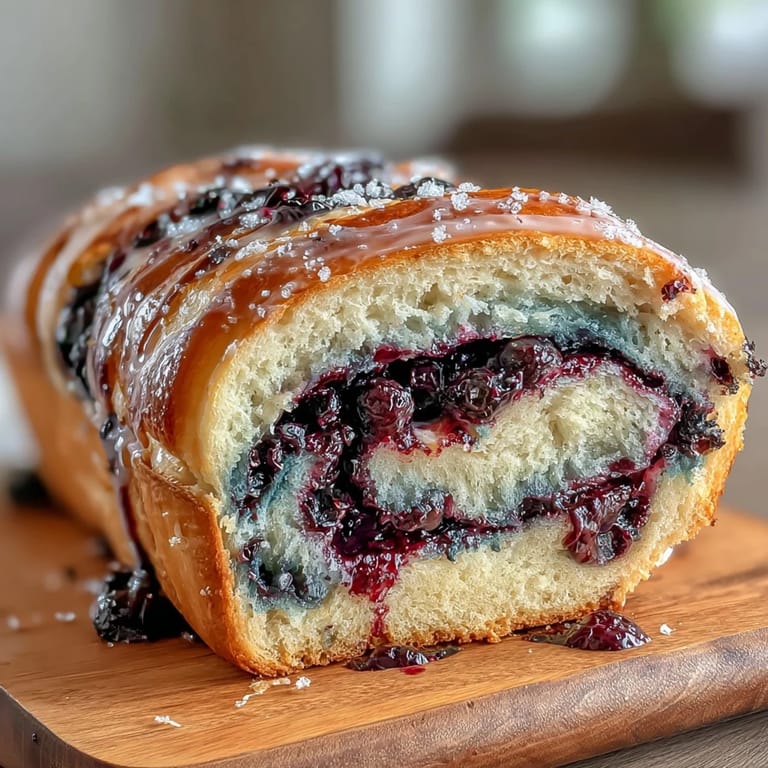
Save There's something about the way a sourdough starter bubbles that makes you feel like you're in on a secret. Years ago, I was gifted a jar of bubbly starter from my neighbor, and I spent months making the same plain loaves until one summer morning when I grabbed some blueberries from the farmer's market and thought, why not? The result was this golden, tender loaf that somehow balanced tartness with sweetness in a way that felt genuinely mine. Now it's the bread I reach for when I want breakfast to feel like an event.
I made this for my sister's birthday breakfast, and I'll never forget her face when she saw the swirl of deep purple running through the slice. She ate it plain, no butter, just standing by the window with coffee, and told me it tasted like I'd somehow captured summer in bread form. That's when I realized this wasn't just a good recipe—it was the kind of thing that made people pause and actually taste what they were eating.
Ingredients
- Bread flour (3 cups): This gives you the structure to hold those blueberries and creates that slightly chewy crumb that makes sourdough special; all-purpose works if that's what you have, but bread flour really does make a difference in how the dough feels in your hands.
- Active sourdough starter (1/2 cup): This is your flavor engine—make sure it's bubbly and at peak activity, fed a few hours before you use it, or the rise will be sluggish and disappointing.
- Whole milk (1 cup): Lukewarm is the magic word here; cold milk will shock your starter awake, and hot milk will kill it, so just get it to that barely-warm-to-the-wrist temperature.
- Unsalted butter (1/4 cup): Softened, not melted, because you want to incorporate it gently without deflating the gluten network you're about to build.
- Granulated sugar (1/4 cup for dough): This feeds the starter and adds subtle sweetness without making the bread taste like cake—restraint is key.
- Large egg (1): This enriches the dough and gives you a glossy crust, plus it helps bind everything together so the blueberries stay distributed.
- Fine sea salt (1 tsp): Don't skip this or rush it into the mix dry; salt strengthens gluten but can also kill starter if they meet too quickly, so add it partway through mixing.
- Lemon zest (1 lemon): Use a microplane if you have one so you get those bright, fragrant oils without the bitter white pith—this is where half the personality of this bread lives.
- Fresh or frozen blueberries (1 cup): Frozen works just as well as fresh and sometimes better because they hold their shape through the cooking process; don't thaw them before cooking down.
- Sugar for swirl (1/4 cup): This sweetens the blueberry filling and helps thicken it as the berries release their juice.
- Lemon juice (2 tbsp for swirl, 1-2 tbsp for glaze): Fresh lemon juice brightens the filling and cuts through richness; bottled juice tastes tired by comparison.
- Cornstarch (1 tbsp): This thickens the blueberry mixture so the filling doesn't seep into the dough and make it soggy during baking.
- Powdered sugar (1/2 cup, optional): Only if you want that sweet finish; a simple glaze looks elegant and tastes like a delicate afterthought.
Tired of Takeout? 🥡
Get 10 meals you can make faster than delivery arrives. Seriously.
One email. No spam. Unsubscribe anytime.
Instructions
- Prepare the blueberry swirl ahead:
- Combine blueberries, sugar, and lemon juice in a saucepan over medium heat and let them bubble away until the berries split open and the whole thing looks like jam—about 5 to 7 minutes. Stir in the cornstarch and cook for another minute or two until the mixture thickens visibly, then spread it on a plate to cool completely so it doesn't warm up your dough when you swirl it in.
- Mix your dough together:
- Pour your lukewarm milk and active starter into a large bowl, add the softened butter, sugar, egg, and lemon zest, and stir until everything looks combined. Gradually sprinkle in the flour and salt as you knead for 8 to 10 minutes until the dough feels smooth, elastic, and slightly sticky—you should be able to stretch it without it tearing.
- Let it rise the first time:
- Shape the dough into a rough ball, place it in a greased bowl, cover it loosely with a damp cloth, and let it sit at room temperature. Depending on how active your starter is and how warm your kitchen, this usually takes 4 to 6 hours, so check it occasionally and you'll know it's ready when it's roughly doubled in size.
- Shape the loaf with swirl:
- Turn the dough out onto a lightly floured surface, gently stretch and roll it into a 9 by 16-inch rectangle, and spread that cooled blueberry mixture over it, leaving about an inch of border all around so the filling doesn't squeeze out. Starting from a short end, roll it up tightly like you're rolling a yoga mat, keeping the spiral as even as possible, then plop it seam-side down into your greased 9 by 5-inch loaf pan.
- Second rise until puffy:
- Cover the pan with a damp cloth and let it rise at room temperature for 1 to 2 hours—you're looking for it to get noticeably puffy and rise nearly to the top of the pan. If your kitchen is cool, this might take longer, so be patient and trust the dough over the clock.
- Bake until golden:
- Preheat your oven to 350°F, slide in the loaf pan, and bake for 35 to 40 minutes until the top is deep golden brown and it sounds hollow when you tap the bottom. If the top browns too quickly, tent it loosely with foil for the last 10 minutes.
- Glaze if you're feeling fancy:
- Once the bread has cooled slightly, whisk together powdered sugar and lemon juice until it's pourable, then drizzle it over the top in whatever pattern feels right. Let it set for a few minutes before slicing.
 Save
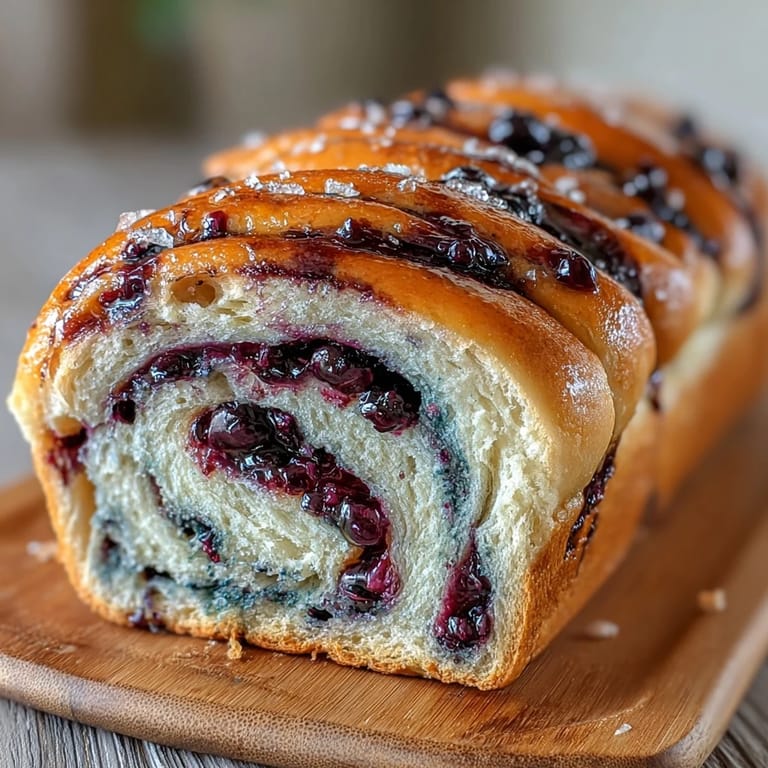
Save There's a moment when you pull this bread out of the oven and the whole kitchen suddenly smells like a lemon grove crossed with a bakery, and that's when you know you've made something worth celebrating. The purple swirl visible on the cut faces is genuinely pretty, and the taste is this perfect balance of tangy sourdough, bright citrus, and jammy blueberries that makes people ask for the recipe.
Why Sourdough Starter Makes This Special
Using sourdough starter instead of commercial yeast changes everything about this bread. The starter ferments slowly and develops complexity—a subtle nuttiness and tang that you just can't get from instant yeast—and that fermentation also makes the bread stay fresher longer. Plus, there's something satisfying about using something you've been feeding and caring for, turning it into something people actually want to eat.
The Science of Keeping Fruit in Bread
Blueberries release moisture as they cook, and that moisture wants to seep into the dough and make it heavy and gummy. The cornstarch in the filling solves this by absorbing and thickening the berry juice so it stays contained within the swirl. Also, cooling the filling completely before spreading it means you're not creating a warm, wet pocket that disrupts fermentation or causes uneven rising—this is one of those small details that separates good fruit bread from frustrating, sunken failures.
Storage, Toasting, and Pairing
This bread is honestly best eaten the day you make it, when the crumb is tender and the blueberry swirl is still somehow distinct and not fully merged with the dough. But if you have leftovers, they're wonderful toasted the next day with a smear of cream cheese or a thick slice of good butter, and the warmth brings back some of that fresh-from-the-oven texture. Serve it with tea, coffee, or alongside a simple breakfast—it's rich enough to stand on its own but plays well with others.
- Slice with a serrated bread knife using a gentle sawing motion so you don't crush the tender crumb.
- Keep wrapped in a cloth at room temperature for a day, then move to the freezer in a freezer bag where it will keep for up to a month and toast back to life.
- Don't refrigerate it because cold temperatures will dry it out faster than anything else, and you'll lose that tender texture that makes this bread worth making.
 Save
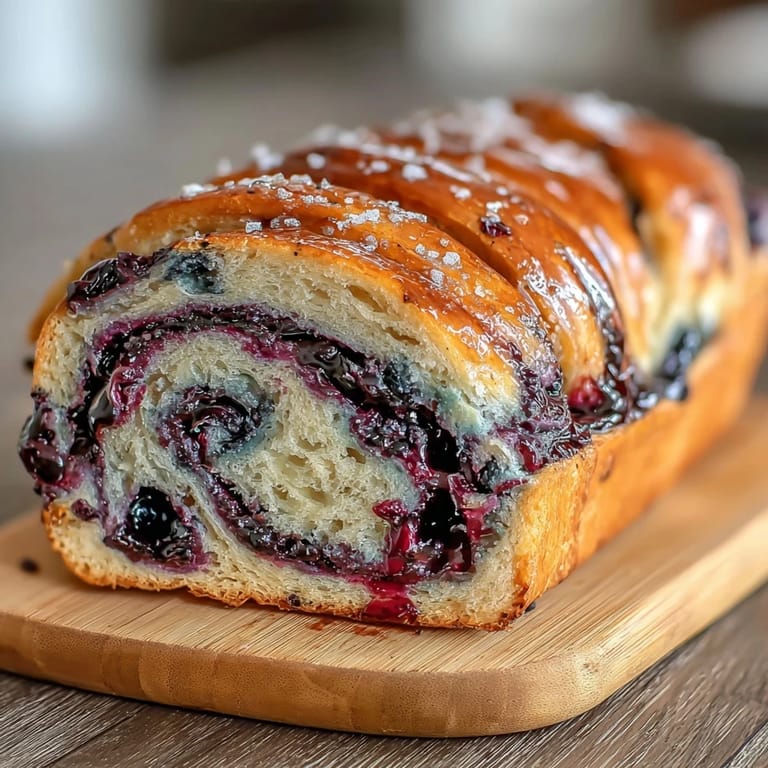
Save This bread has become one of those recipes I make not because it's particularly complicated, but because it consistently makes people happy. There's something about homemade sourdough with fresh fruit that feels both special and generous at the same time.
Kitchen Guide
- → How do I achieve the perfect swirl?
Ensure the blueberry lemon filling is fully cooled before spreading on the dough, then roll tightly to create distinct layers and a visually appealing swirl.
- → Can I use frozen blueberries?
Yes, frozen blueberries work well. Cook them down as directed to release juice and thicken before using in the swirl.
- → What is the best way to proof the dough?
Let the dough rise at room temperature until doubled in size, which can take 4-6 hours for the first rise and 1-2 hours after shaping for the second rise.
- → How do I make the optional lemon glaze?
Mix powdered sugar with lemon juice until smooth, then drizzle over the cooled loaf to add a sweet and tangy finishing touch.
- → What are good serving suggestions?
This bread is delicious fresh or toasted, and pairs wonderfully with cream cheese or a hot cup of tea.