 Save
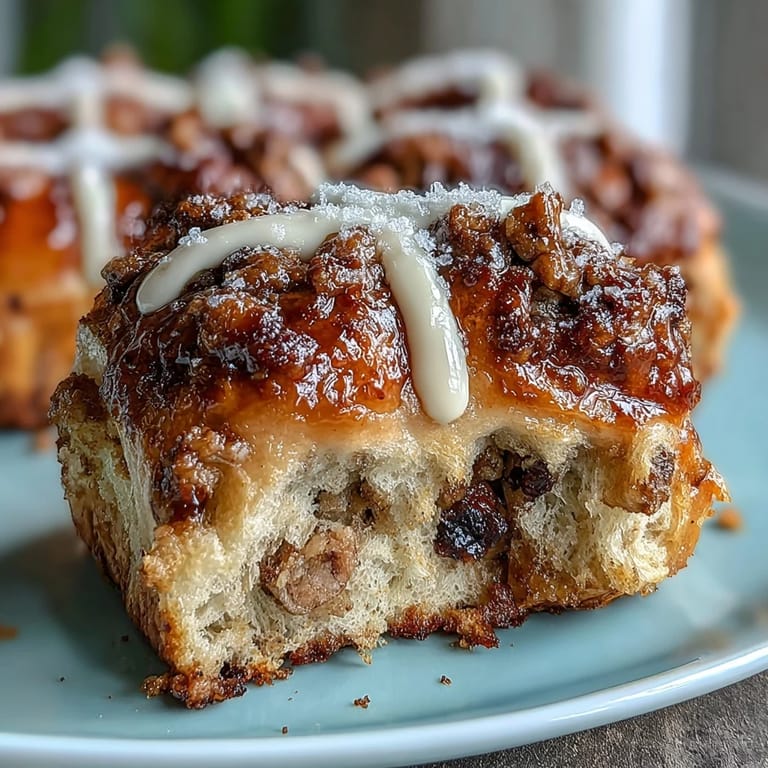
Save The first time I made hot cross buns at home, my kitchen filled with sweet spice as the dough started to rise, and I caught myself humming tunelessly while kneading. There's something uniquely comforting about digging my hands into pillowy dough—especially when the faint whiff of cinnamon and orange zest starts to escape. I let the radio play softly in the background, glancing now and then to see the sun glinting through the window onto my flour-dusted countertop. Hot cross buns always seemed like something for expert bakers, but as I piped those little crosses, I realized anyone can master them. Now, these buns send a pretty message to whoever shares my table: handmade treats are worth every sticky finger.
I still remember baking a batch on a grey spring afternoon, just as a storm tapped against the windows and my cousin sprawled at the table reading. Between stories and kneading, the kitchen felt like the warmest room in the house. When the timer chimed and we broke open steamy buns, our chatter paused—proof that good bread really is the best conversation stopper.
Ingredients
- Bread flour: Gives each bun its distinctive soft, high rise and chewy crumb—I’ve found weighing the flour gives the most consistent results.
- Granulated sugar: Adds just the right subtle sweetness, not cloying, so the spices shine through.
- Active dry yeast: I always proof mine if I’m unsure, since a sluggish yeast leads to disappointing buns.
- Salt: Balances the sugar and spices—don’t be tempted to skip it!
- Ground cinnamon and nutmeg: These gentle spices define that classic hot cross bun aroma; fresh spices really make a difference.
- Ground allspice: Adds warmth and depth—use sparingly, a little goes a long way.
- Whole milk: Rich and lightly sweet, it keeps the buns tender and moist.
- Unsalted butter: Melted for even mixing, it brings softness—be sure not to overheat or it’ll cook the eggs.
- Eggs: Adds richness and beautiful color; let them come to room temperature so the dough isn’t shocked.
- Raisins (or currants): Each juicy bite bursts with sweetness—toss them in flour so they don’t sink.
- Orange zest (optional): The bright, citrusy lift it gives is subtle but memorable; I only skip it if I’m out of oranges.
- All-purpose flour (for cross): Used for the cross paste, it pipes neatly—too much water and it puddles, too little and it's hard to squeeze.
- Apricot jam or honey: Glaze warm buns for a glossy, irresistible finish—strain the jam if you’re picky about a smooth sheen.
Tired of Takeout? 🥡
Get 10 meals you can make faster than delivery arrives. Seriously.
One email. No spam. Unsubscribe anytime.
Instructions
- Start the Dough:
- Measure your flour, sugar, yeast, salt, and all the spices into a large mixing bowl; stir them together with a wooden spoon and breathe in the scent.
- Add Wet Ingredients:
- Pour in the warm milk and melted butter; crack the eggs in and mix until a shaggy, sticky dough forms, scraping the bowl as you go.
- Knead Until Smooth:
- Turn out the dough on a floured surface or keep it in your stand mixer with a dough hook, and knead 8–10 minutes until elastic and smooth—it should bounce when pressed.
- Incorporate Raisins and Zest:
- Scatter raisins and orange zest, kneading just enough to evenly distribute without squashing the fruit.
- First Rise:
- Transfer the dough to a greased bowl, cover with a damp cloth, and let it rise in a cozy spot until doubled, about 1 hour; I sometimes set mine near the preheating oven.
- Shape the Buns:
- Punch down the dough, divide it into 12 pieces, and gently roll each into a ball—don’t worry if they’re not perfect spheres.
- Second Rise:
- Arrange buns on a parchment-lined tray about an inch apart, cover, and let puff up for 45 minutes; you’ll see them touching at the edges.
- Make the Cross Paste:
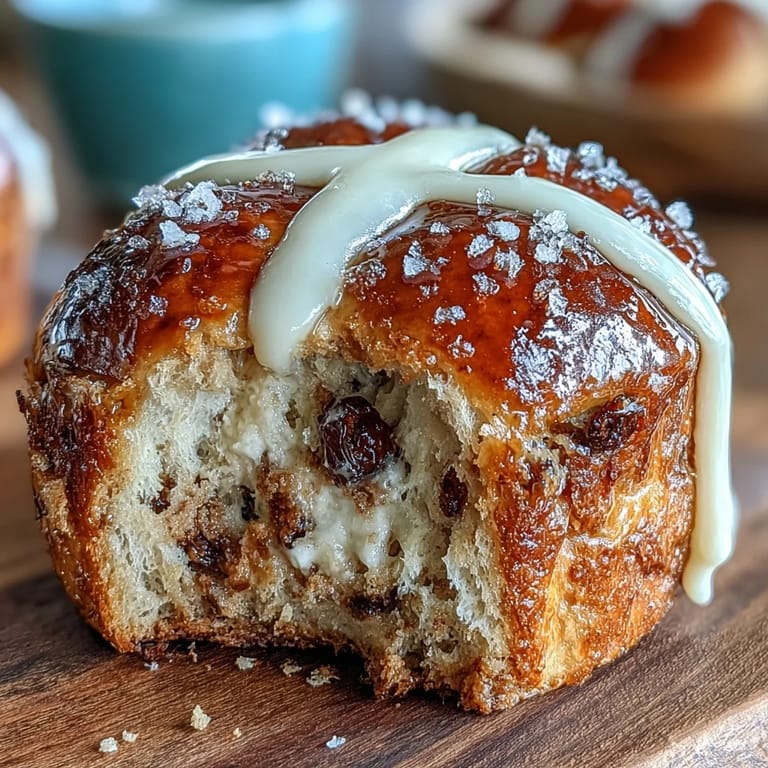
- Mix flour and water together until it’s thick enough to pipe but not clumpy; transfer to a piping or zip-top bag, snip the tip, and pipe a cross atop each bun--this is easier than it sounds.
- Bake:
- Slide the tray into a preheated 375°F oven and bake 20–25 minutes till golden and your kitchen smells cozy.
- Glaze for Shine:
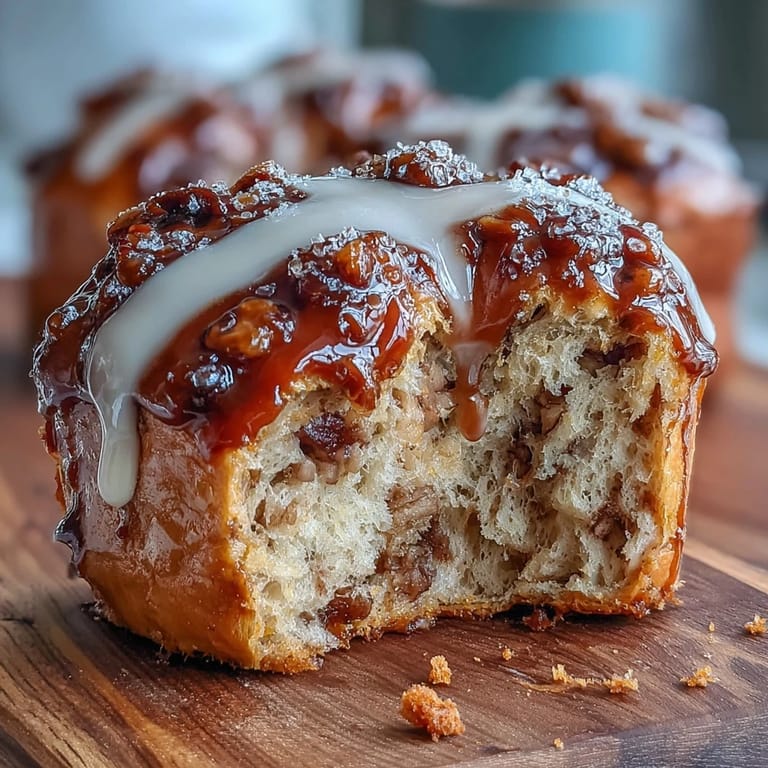
- While buns bake, gently heat apricot jam or honey with a splash of water; as soon as buns come out, brush them generously—the shine is unbeatable.
- Cool and Serve:
- Let the buns cool just enough that they won’t scorch your fingers, then serve warm by the handful.
 Save
Save 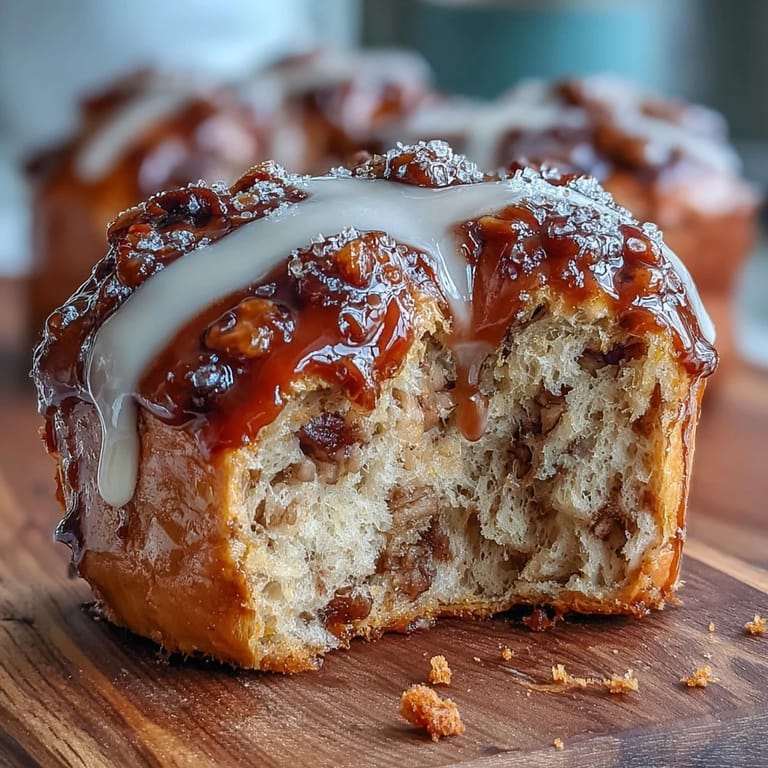 Save
Save One year, I brought a basket of these to a friend’s Easter brunch and set them, still warm, beside a pot of milky tea. The whole gang dove in before we’d even said hello—nothing else ever disappeared so quickly.
Making the Most of Your Rising Time
I’ve learned that letting dough rest somewhere just slightly warm—like near a sunny window or atop the fridge—makes all the difference for that pillowy texture. I use the rise time for a quick kitchen tidy or to prep the glaze, so everything’s ready at the finish line.
Piping Perfect Crosses
If you ever feel nervous about piping, just remember that a steady squeeze and slow movement works better than fussing. Even if a few crosses don’t look bakery-perfect, everyone will admire the homemade charm.
Serving and Storage Suggestions
These buns are absolute heaven split while still warm and spread with butter, though they’re equally lovely toasted gently the next day. They also freeze like a dream—just let them thaw and pop into a warm oven for ten minutes to revive them.
- Sliced buns make fantastic base for bread pudding.
- Swap raisins for mixed dried fruit for variety.
- Don’t skip the glaze—it keeps them moist and glossy.
 Save
Save  Save
Save Whether you’re baking for tradition or just craving something homey, hot cross buns fill your kitchen—and your heart—with a little extra warmth. Here’s to sharing them, sticky fingers and all.
Kitchen Guide
- → How do I keep the buns soft the next day?
Store cooled buns in an airtight container at room temperature for up to 2 days. To revive softness, warm briefly in a low oven (300°F/150°C) or microwave wrapped in a damp paper towel for 10–15 seconds.
- → Can I use instant yeast instead of active dry yeast?
Yes. Use the same weight of instant yeast and mix it directly with the dry ingredients. You may notice a slightly faster rise—keep an eye on the dough rather than strictly timing rises.
- → My dough is sticky—how much should I flour during shaping?
Use just enough flour to handle the dough; too much will dry the crumb. Lightly flour your hands and work surface, then dust the tops of the shaped buns rather than incorporating extra flour into the dough.
- → What are good fruit substitutions?
Swap half the raisins for chopped dried apricots, cranberries, or mixed candied peel for more citrusy or tart notes. Soaking very dry fruit in warm water or orange juice for 10 minutes plumps them up before folding into the dough.
- → How should I freeze and reheat leftovers?
Freeze fully cooled buns in a sealed, freezer-safe bag for up to 3 months. Reheat from frozen in a 325°F (160°C) oven for 10–15 minutes until warmed through, or thaw overnight and refresh in a low oven for 5–8 minutes.
- → Any tips for piping neat crosses?
Use a small piping bag or a zip-top bag with a small corner snipped. The cross paste should be thick and pipeable—if too thin it will spread. Chill the paste briefly to firm it up for cleaner lines.