 Save
Save My kitchen smelled like burnt cream cheese the first time I tried making bagels from scratch—a full afternoon lost to boiling water and dense dough that refused to cooperate. Years later, a friend casually mentioned she'd been making bagels with cottage cheese and self-rising flour, ready in under an hour, and I thought she was joking. One Sunday morning when I had ten minutes and hungry kids, I gave it a shot, and something clicked immediately. The dough came together in minutes, the texture was impossibly soft, and within half an hour we had actual bagels on the breakfast table. It felt like discovering a cheat code to something I'd always thought required real effort.
I made these for my sister's book club last spring, and she texted me afterward saying people kept asking what bakery they came from. The funny part was watching her hesitate before admitting they were homemade—she expected skepticism but got genuine surprise instead. That one batch became the thing she requests before holidays now, which still makes me laugh because I almost didn't bother trying the recipe.
Ingredients
- Cottage cheese: This is your secret ingredient—it adds moisture and protein while replacing the need for yeast and long fermentation. Low-fat or fat-free works best because it keeps the dough from becoming greasy, and blending it smooth prevents lumpy bagels.
- Self-rising flour: The real MVP here, doing the heavy lifting that yeast normally does. If you don't have it on hand, the substitution ratio is simple: one and a half cups all-purpose flour mixed with two and a quarter teaspoons baking powder and half a teaspoon fine salt.
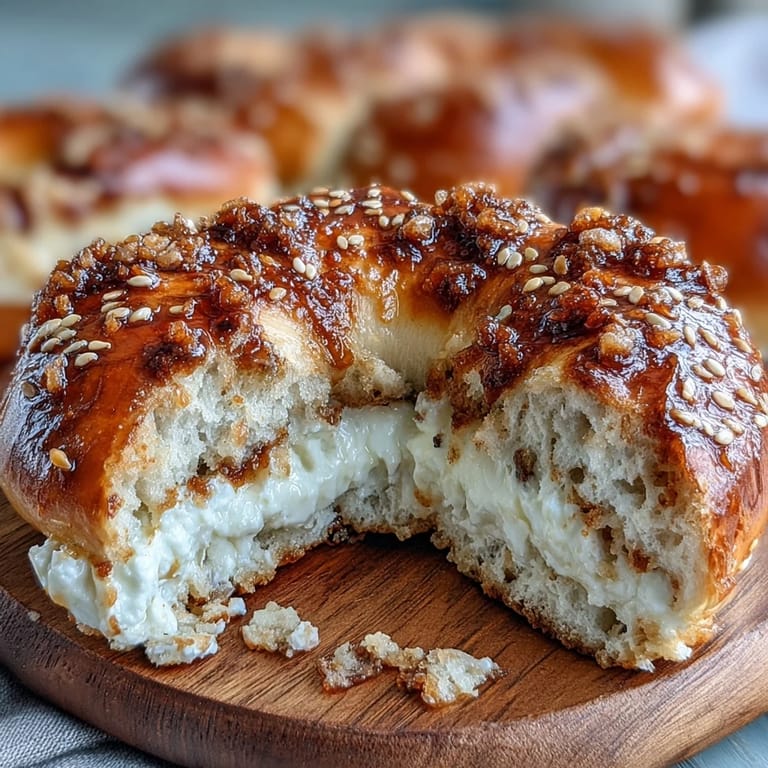
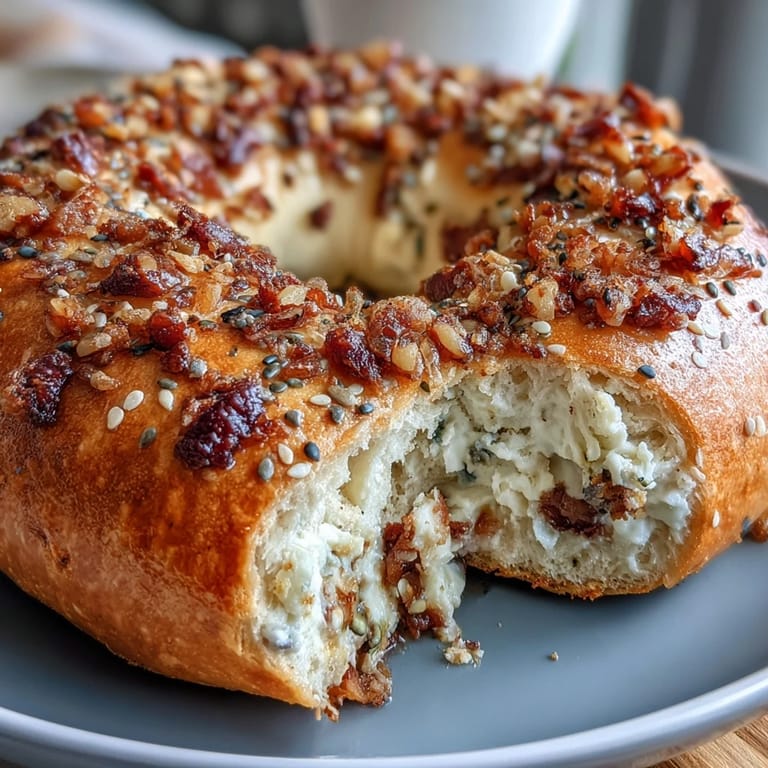
- Egg wash: Optional but worth it—one beaten egg brushed on top creates that glossy, bakery-style exterior that makes people think you spent hours on these.
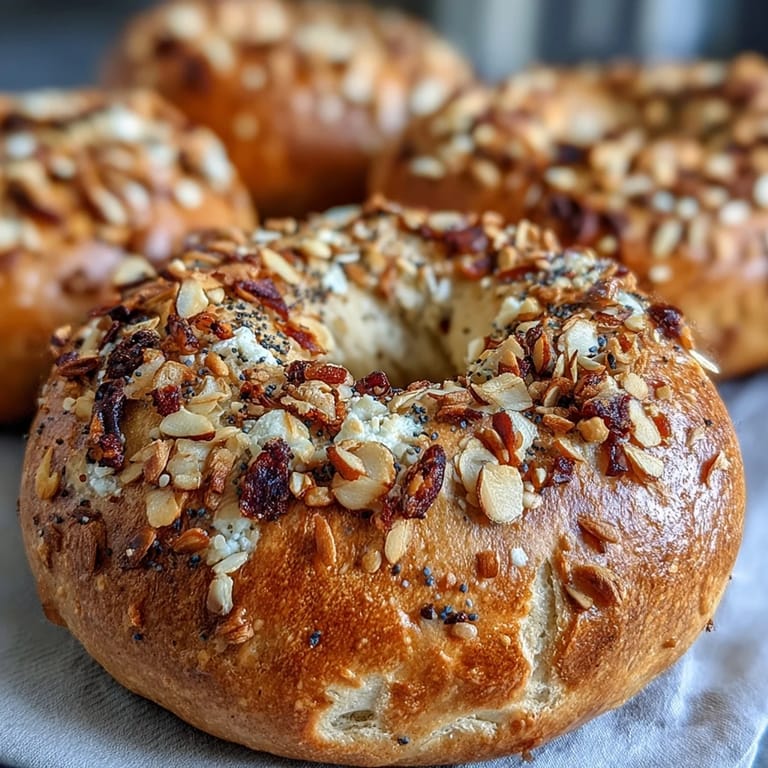
- Toppings: Everything bagel seasoning is my go-to because it covers all the bases, but sesame or poppy seeds work beautifully if you want to keep things simple.
Tired of Takeout? 🥡
Get 10 meals you can make faster than delivery arrives. Seriously.
One email. No spam. Unsubscribe anytime.
Instructions
- Set your oven and prep:
- Preheat to 375°F and line a baking sheet with parchment paper—this is non-negotiable because these little guys will stick otherwise. The oven needs to be ready when you finish shaping so you don't lose that initial rise.
- Blend and mix:
- Stir the cottage cheese until mostly smooth (a few small curds are fine, but lumpy cheese makes lumpy bagels). Add your self-rising flour and stir until a shaggy dough comes together, then stop—resist the urge to keep mixing.
- Knead gently:
- Transfer to a lightly floured surface and knead just once or twice for one to two minutes until the dough is barely combined and slightly tacky to the touch. Overworking this dough is the enemy; treat it like you're being gentle with something fragile.
- Shape your bagels:
- Divide into four equal pieces and roll each one into an eight-inch log, then pinch the ends together firmly so the ring holds its shape. The seal matters—weak pinching means your bagel might unfurl slightly in the oven.
- Top and bake:
- Place them on your prepared sheet, brush with beaten egg if you're using it, and sprinkle your chosen toppings generously. Bake for twenty-two to twenty-five minutes until they're golden brown and feel firm when you tap them.
- Cool before serving:
- Let them rest on a wire rack for at least ten minutes—this sounds like forever when you're hungry, but it lets the interior set properly so they don't tear when you slice them.
 Save
Save There's something deeply satisfying about serving fresh bagels to people who assume they came from a bagel shop, then watching their faces when you mention you made them thirty minutes ago. My neighbor asked for the recipe last month and came back a week later saying her teenage son had eaten all four in one sitting, which felt like the highest compliment possible.
Why These Bagels Feel Different
Traditional bagels require boiling, which creates that characteristic chew through starch gelatinization, but these skip that step entirely. The cottage cheese and baking powder do the heavy lifting instead, producing something that tastes like a bagel but bakes like a quick bread. The result is somehow softer than traditional bagels while still maintaining enough structure to hold toppings and sandwich fillings, which honestly surprised me the first time I made them.
Timing and Make-Ahead Options
The entire process from cold ingredients to hot bagels takes thirty-five minutes, which means you can make these on a weekday morning without rushing. The dough doesn't rest or rise before baking, so there's no window where you have to plan ahead—you just go. If you want to prep ahead, you can shape them up to eight hours in advance, cover them, and bake when you're ready.
Storage, Variations, and Last-Minute Thoughts
These keep in an airtight container for two days at room temperature, and they freeze beautifully for up to a month. I've added cinnamon and raisins for a sweet version, mixed in shredded cheddar and chives for a savory twist, and even made a dairy-free version using dairy-free cottage cheese with zero difference in results. The beauty of this recipe is how flexible it is—it's a base that welcomes experimentation without falling apart.
- If you have a food processor, pulse the cottage cheese for ten seconds before mixing to guarantee absolute smoothness without lumps.
- Toast these after they've cooled for extra crispness on the outside if you're not eating them immediately.
- Everything bagel seasoning is the lazy genius move, but don't skip the egg wash because it's what makes them look intentional and beautiful.
 Save
Save These bagels proved that sometimes the best shortcuts taste better than what you've been doing the long way all along. Make them once and you'll understand why they've become my answer to every breakfast situation.
Kitchen Guide
- → What gives the bagels their soft texture?
The combination of cottage cheese and self-rising flour creates a moist, tender dough that results in a soft, chewy texture after baking.
- → Can I substitute self-rising flour if I don’t have it?
Yes, you can make your own by mixing all-purpose flour with baking powder and salt in the correct proportions to mimic self-rising flour.
- → How should I store the bagels to keep them fresh?
Store bagels in an airtight container at room temperature for up to two days, or freeze them for longer preservation.
- → Are there ways to customize the flavor of these bagels?
You can add cinnamon and raisins for sweetness or shredded cheese and herbs for a savory variation to the dough before baking.
- → What toppings work best on these bagels?
Classic everything bagel seasoning, sesame seeds, or poppy seeds add great flavor and texture when brushed with an egg wash before baking.