 Save
Save I discovered this sauce by accident while trying to stretch a half-empty vegetable drawer and feed a picky eater at the same time. What started as a desperate attempt to hide zucchini and carrots in tomato sauce turned into something so genuinely delicious that everyone asked for seconds. The magic happened when I blended it smooth, watching the sauce transform into something rich and silky that tasted nothing like an attempt at nutritional sneaking. My partner couldn't believe there were vegetables in it, and honestly, neither could I—it just tasted like the perfect pasta sauce.
I made this for my sister's family on a chaotic Tuesday evening when she mentioned her kids had eaten nothing but beige food all week. I watched her youngest carefully examine a forkful of pasta, suspicious at first, then dive back in without hesitation. That moment—when she nodded at me with a knowing smile—made the whole thing worth it, not because the kids were eating vegetables, but because dinner actually brought everyone together instead of turning into a negotiation.
Ingredients
- Carrots: Two medium ones, peeled and chopped into rough pieces so they cook quickly and puree into natural sweetness without tasting like rabbit food.
- Zucchini: One medium zucchini chopped up adds moisture and body without asserting itself, the perfect stealth vegetable that becomes invisible once blended.
- Fresh spinach: Two cups loosely measured, because it shrinks dramatically when cooked and disappears completely into the sauce.
- Onion: One medium onion chopped fine is your flavor foundation, the thing that makes people say the sauce tastes amazing without realizing why.
- Garlic: Two cloves minced small create that aromatic moment that fills your kitchen and makes everyone hungry before they even taste anything.
- Olive oil: Two tablespoons is enough to prevent sticking and build flavor without making the sauce greasy or heavy.
- Crushed tomatoes: A 28-ounce can is your sauce body, the thing that makes this actually taste like tomato sauce and not just blended vegetables.
- Tomato paste: Two tablespoons concentrate the tomato flavor and add depth that tastes like it's been simmering all day.
- Oregano and basil: One teaspoon each of dried herbs bring that unmistakable Italian aroma that tells your brain this is real comfort food.
- Salt and pepper: Half a teaspoon salt and a quarter teaspoon pepper are starting points you'll adjust based on your taste and the specific tomato can you grabbed.
- Sugar: Half a teaspoon optional but genuinely useful for taming acidity if your tomatoes are particularly tangy.
- Parmesan cheese: A quarter cup grated adds richness and umami, though it's completely optional if you want to keep it vegan.
- Fresh basil: A small handful torn up at the very end brings brightness and makes the whole thing taste fresh instead of cooked.
Tired of Takeout? 🥡
Get 10 meals you can make faster than delivery arrives. Seriously.
One email. No spam. Unsubscribe anytime.
Instructions
- Start with the base flavor:
- Heat your olive oil in a large saucepan over medium heat, then add the chopped onion and minced garlic. Let them sizzle and soften for about three minutes—you'll know it's ready when the kitchen starts smelling incredible and the onion turns translucent. This is where the magic starts, building a flavor foundation that everything else will rest on.
- Add the hidden vegetables:
- Stir in your chopped carrots and zucchini, letting them cook for five to seven minutes while you stir occasionally. They'll soften gradually, releasing their own subtle sweetness into the oil, and by the time they're tender they've already started breaking down into the sauce.
- Wilt the spinach:
- Dump in your fresh spinach all at once—it looks like too much but trust the process. In about two minutes it'll transform from a pile of green leaves into something wilted and manageable, and you'll barely see it by the time you're finished.
- Build the sauce:
- Pour in your crushed tomatoes and stir in the tomato paste, making sure everything is combined smoothly. The mixture will look thin at first, but you're about to change that with time and blending.
- Season and simmer:
- Sprinkle in your oregano, basil, salt, pepper, and sugar if you're using it. Bring everything to a simmer, then cover and let it bubble away gently on low heat for about twenty minutes, stirring occasionally. The vegetables will soften completely, the flavors will meld together, and the whole thing will smell like someone's been cooking all afternoon.
- Blend into silk:
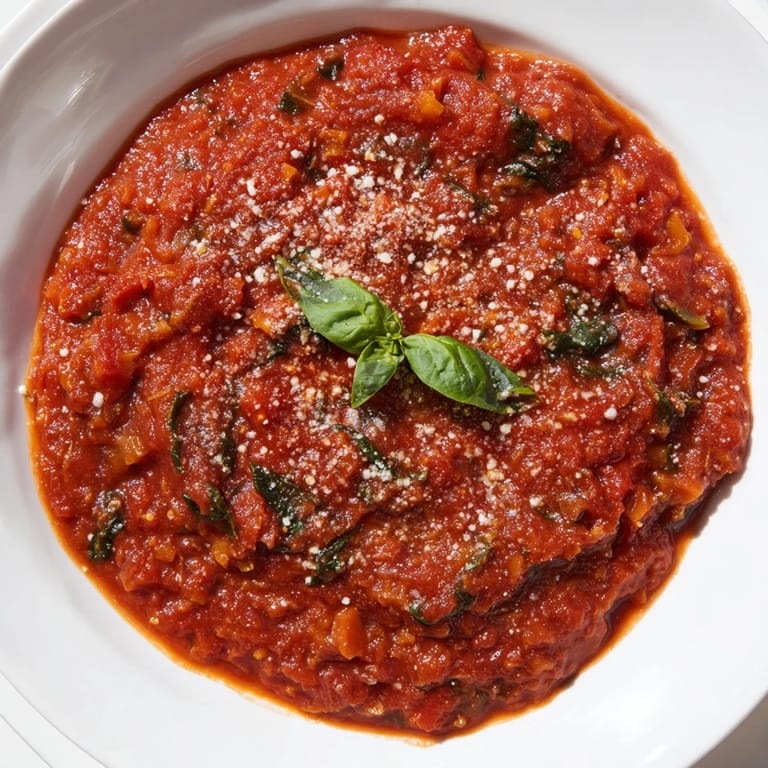
- Remove from heat and let it cool for just a minute, then use an immersion blender to puree the sauce until it's completely smooth. If you don't have an immersion blender, carefully transfer it in batches to a regular blender and pulse until smooth, then pour it back into the pan. This is when the magic really happens—the vegetables disappear entirely and the sauce becomes luxurious and creamy without any cream.
- Finish and serve:
- Taste it and adjust the seasoning, stirring in Parmesan if you want that extra richness. Serve it hot over your favorite pasta and finish with a small handful of fresh basil torn over the top, because that brightness is what makes it taste alive.
 Save
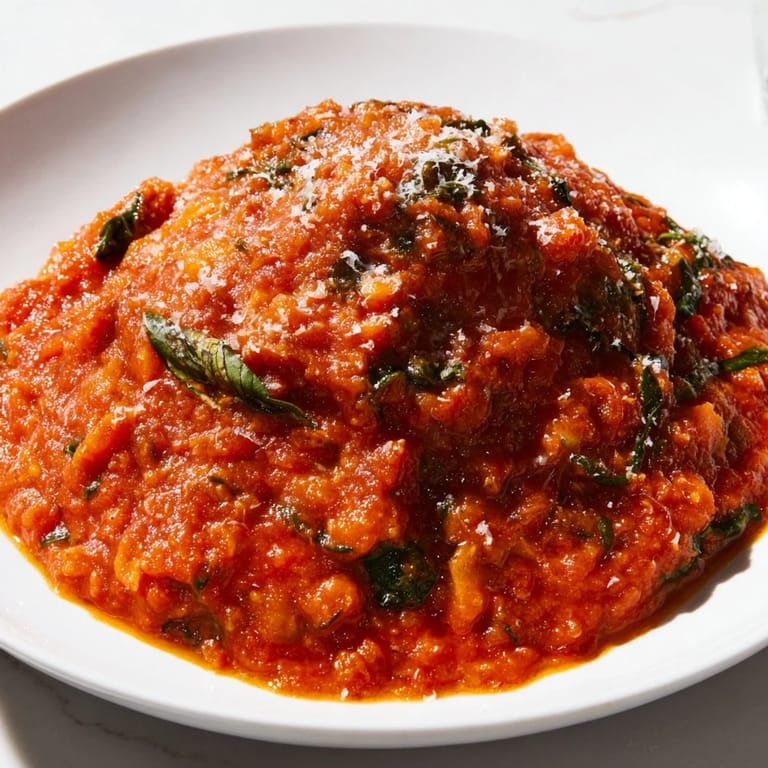
Save The best part about perfecting this sauce was watching it go from my secret weapon into something my partner started requesting by name. There's something deeply satisfying about having created something that tastes indulgent and intentional while quietly delivering nutrition nobody's even thinking about.
Freezing and Storage Magic
This sauce was built for batch cooking and freezing, which means one Sunday afternoon of chopping and simmering can set you up for weeks of effortless dinners. Let it cool completely before scooping into freezer containers or even ice cube trays if you want small portions, and it'll keep perfectly for three months. I've pulled out a container on nights when cooking felt impossible and remembered why having this on hand is such a gift to future me.
Making It Your Own
The beauty of this sauce is that it accepts variations without complaint—it's more a formula than a rigid recipe, which means your kitchen experiments will almost certainly work out. Some nights I add a splash of red wine for deeper flavor, other times I sneak in a handful of mushrooms or a red bell pepper, and it adjusts gracefully every time. The base is strong enough to accommodate your preferences while remaining exactly what you intended.
Small Tweaks That Change Everything
After making this sauce dozens of times, I've discovered that small adjustments can shift the entire experience from good to memorable. The temperature of your heat matters more than you'd think—too hot and the vegetables break down too fast and the sauce tastes muddy, too cool and everything takes forever. Blending is where people often second-guess themselves, but resist the urge to stop before it's completely smooth, because that's when it transforms into something that tastes deliberately made instead of thrown together.
- Add a tablespoon of butter or a splash of cream after blending if you want it to taste restaurant-level luxurious.
- Stir in a pinch of red pepper flakes if you want warmth and subtle heat without making it spicy.
- Reserve some fresh basil to scatter on top right before serving, because cooked basil tastes tired but fresh basil tastes alive.
 Save
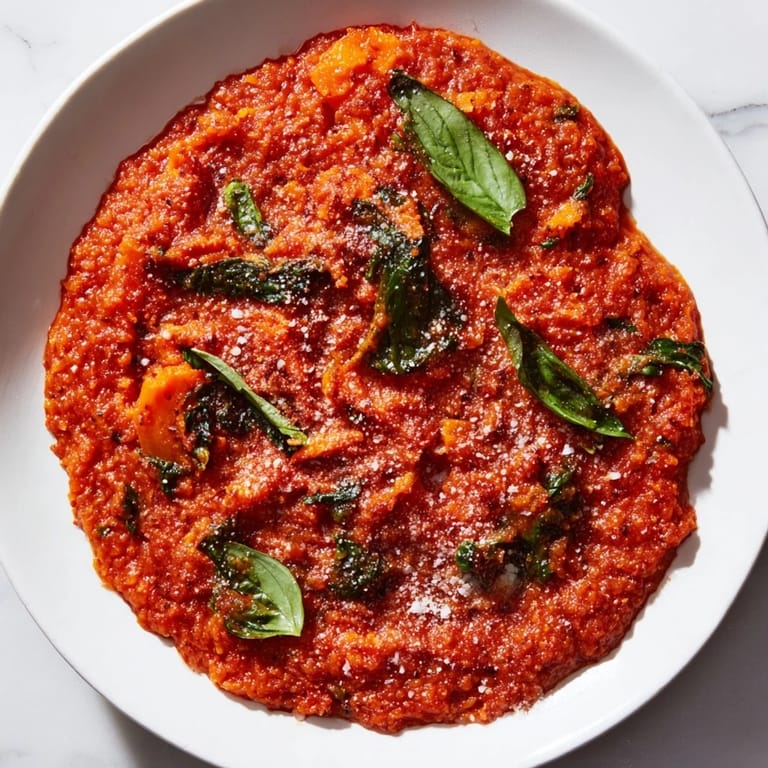
Save This sauce is proof that the most satisfying meals are often the ones created in response to what you have rather than what a recipe demands. It's become something I make not because I'm trying to hide vegetables, but because it genuinely tastes like the best version of what tomato sauce can be.
Kitchen Guide
- → How do the vegetables affect the sauce texture?
Pureeing the cooked carrots, zucchini, and spinach results in a smooth, creamy texture that enriches the sauce without chunks.
- → Can I make this sauce dairy-free?
Yes, simply omit the Parmesan or substitute with a plant-based alternative for a vegan-friendly version.
- → What herbs work best in this sauce?
Dried oregano and basil provide classic Italian flavor that complements the fresh vegetable base perfectly.
- → Is this sauce suitable for gluten-free diets?
Yes, the sauce itself contains no gluten. Just serve with gluten-free pasta to maintain gluten-free status.
- → Can I prepare this sauce in advance?
Absolutely. The sauce freezes well in portions for up to three months, making it convenient for future meals.