 Save
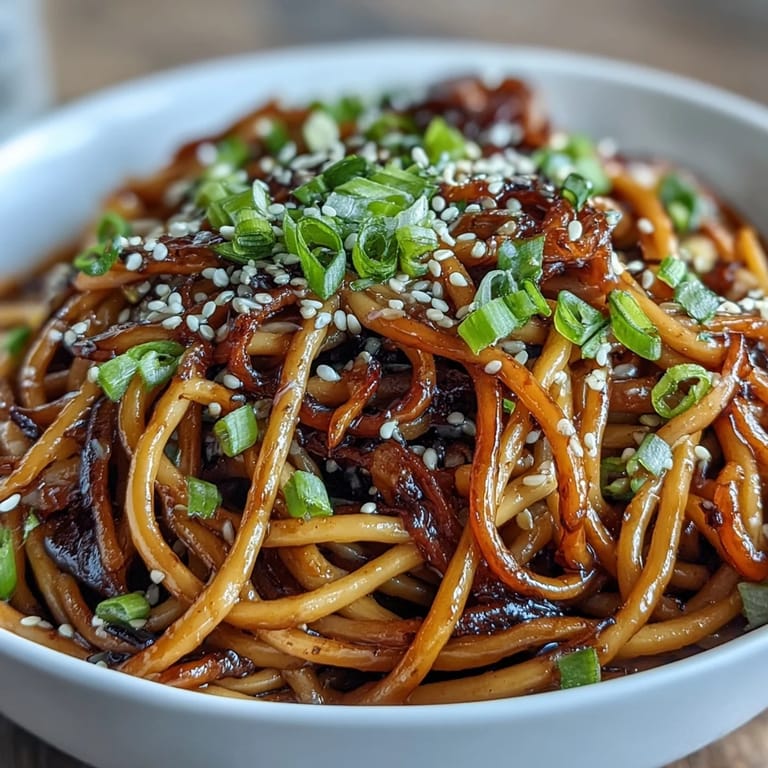
Save My neighbor Marcus called me over one Tuesday evening with a craving he couldn't shake—something fragrant, quick, and nothing like the takeout containers piling up in his recycling bin. I had noodles, a knob of ginger, and whatever scallions were wilting in my crisper drawer. Twenty minutes later, we were standing over steaming bowls, the kitchen smelling like toasted sesame and fresh ginger, both of us wondering why we'd never made this before.
I made this for a potluck once where someone else was bringing the "main dish," and somehow these noodles became the thing everyone kept coming back to. An elderly woman told me it reminded her of something her mother made in Singapore, but better because she could taste every ingredient. That compliment stuck with me more than it probably should have.
Ingredients
- Wheat noodles (350g): Lo mein, ramen, or even spaghetti work beautifully—the key is cooking them to that exact moment where they're tender but still have a gentle resistance when you bite them, then a quick cold rinse stops the cooking dead.
- Neutral oil (4 tbsp): Canola or grapeseed both work because they won't compete with the ginger and garlic, and they get properly hot without smoking.
- Scallions (4, separated white and green): This separation matters more than you'd think—white parts go in early for a gentle aromatic base, green parts finish the dish for brightness and a little textural pop.
- Fresh ginger (2 tbsp minced): The fresher the better, and those first sixty seconds in hot oil is when it really comes alive and fills your entire kitchen with that sharp, clean aroma.
- Garlic cloves (2, minced): Tiny pieces that cook so quickly you have to stay present or they'll catch and turn bitter.
- Red chili (1 small, optional): Adds a gentle heat and visual pop, but leave it out if you prefer things mellow.
- Soy sauce (4 tbsp): The backbone of the glaze, bringing that deep umami that makes people ask what your secret ingredient is.
- Dark soy sauce (1 tbsp, optional): Deepens the color and adds a subtle molasses note that regular soy can't quite reach.
- Oyster sauce (1 tbsp): Use vegan oyster sauce if shellfish concerns you—it adds roundness and a slight sweet undertone.
- Brown sugar (1 tbsp): Balances the saltiness with just enough sweetness to make the flavors feel complete.
- Rice vinegar (1 tbsp): A touch of acidity that brightens everything without being sharp or assertive.
- Toasted sesame oil (1 tsp): This finishes the glaze with a toasty complexity that regular oil simply can't deliver.
- Water (2 tbsp): Helps the glaze coat the noodles evenly rather than clumping in the center of the pan.
- Toasted sesame seeds: The garnish that transforms the dish from good to memorable, adding crunch and a nutty warmth.
Tired of Takeout? 🥡
Get 10 meals you can make faster than delivery arrives. Seriously.
One email. No spam. Unsubscribe anytime.
Instructions
- Cook your noodles to that golden moment:
- Follow the package timing but taste one a minute before it says they're done—you want al dente, that slight firmness that means they'll stay intact when you toss them rather than turning mushy. Drain and rinse under cold water just long enough to stop the cooking process, then set them aside to dry slightly.
- Prepare the soy glaze while you have a quiet moment:
- Whisk all the glaze ingredients together in a small bowl so they're ready the instant you need them. This is when you're not fumbling with bottles while everything is heating up.
- Get your oil hot and your aromatics ready:
- Heat the neutral oil in a large skillet or wok over medium heat until it shimmers slightly, then add the white parts of the scallions, minced ginger, garlic, and chili if using. You'll know it's working when the smell hits you—sharp, bright, alive.
- Stir-fry those aromatics for that brief, critical moment:
- One to two minutes is all they need, just until fragrant and beginning to soften but before any browning happens. The second you smell that deep, cooked ginger aroma, you're ready to move on.
- Introduce the noodles and let them mingle:
- Add your drained noodles to the skillet and toss them through the ginger and scallion mixture so every strand gets coated with those aromatics. This takes just a minute or two of constant, gentle movement.
- Pour in the soy glaze and bring it all together:
- Add the glaze and toss everything constantly for two to three minutes so the noodles are evenly glazed and the whole dish heats through. You'll watch it transform from separated ingredients into something cohesive and glossy.
- Finish with the green parts of your scallions:
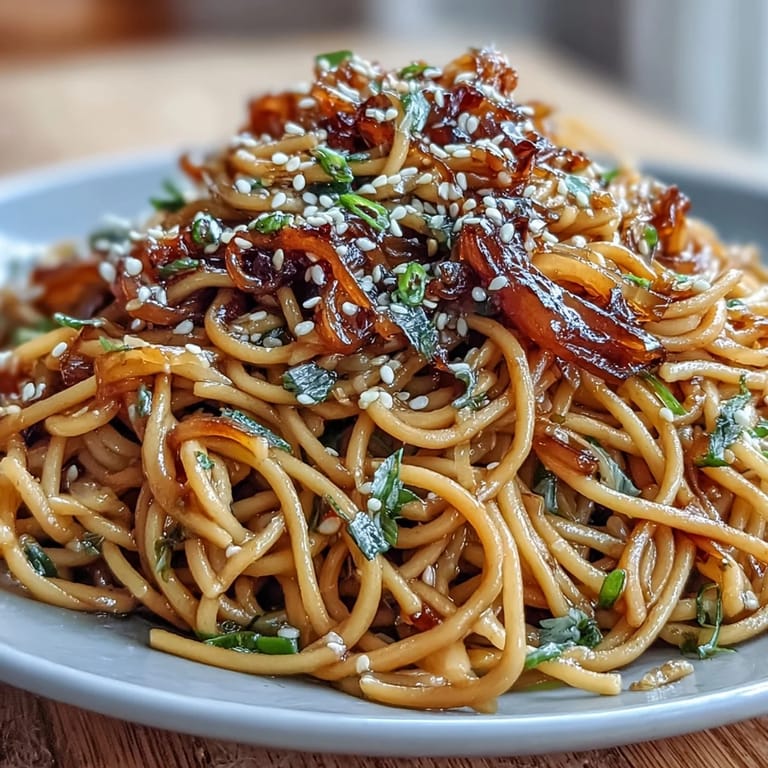
- Remove from heat and add the sliced green scallion tops, tossing gently so they stay bright and don't wilt into the dish.
 Save
Save There's something about watching someone take their first bite of noodles you've made, when the steam rises and the smell hits them before the food touches their mouth, and you see their eyes register that it's not just hot noodles but something made with intention. That moment, right there, is why I keep making this.
Why This Dish Became a Kitchen Staple
This recipe lives in that perfect sweet spot between weeknight reality and restaurant ambition. When you're tired but want something that tastes like you actually tried, when you have fifteen minutes and a craving for something aromatic and alive, these noodles answer the call. I've made them after long days, for unexpected guests, and on mornings when I woke up thinking about that ginger-sesame aroma.
Making It Your Own
Once you've made this once, you'll realize how flexible it actually is. Mushrooms, shredded carrots, bok choy, or snap peas all find a natural home here, sautéed in that ginger oil before the noodles go in. You could add a handful of shredded roast chicken for protein, or keep it purely vegetarian and feel equally satisfied.
Serving Suggestions and Final Thoughts
These noodles are best eaten immediately while they're warm and the sesame oil aroma is still rising from the bowl. A side of pickled cucumbers cuts through the richness beautifully, and a bottle of chili oil at the table means everyone can adjust the heat to their own preference. I sometimes finish mine with a drizzle of extra sesame oil, a scatter of cilantro if I have it, and the confidence that I've made something delicious without a single moment of fuss.
- Serve immediately while the noodles are warm and glossy, before everything cools and the textures blur together.
- Keep extra toasted sesame seeds and sliced scallions on the side so people can build their perfect bowl.
- This is the kind of dish that tastes good warm, room temperature, or even cold the next morning as a noodle salad.
 Save
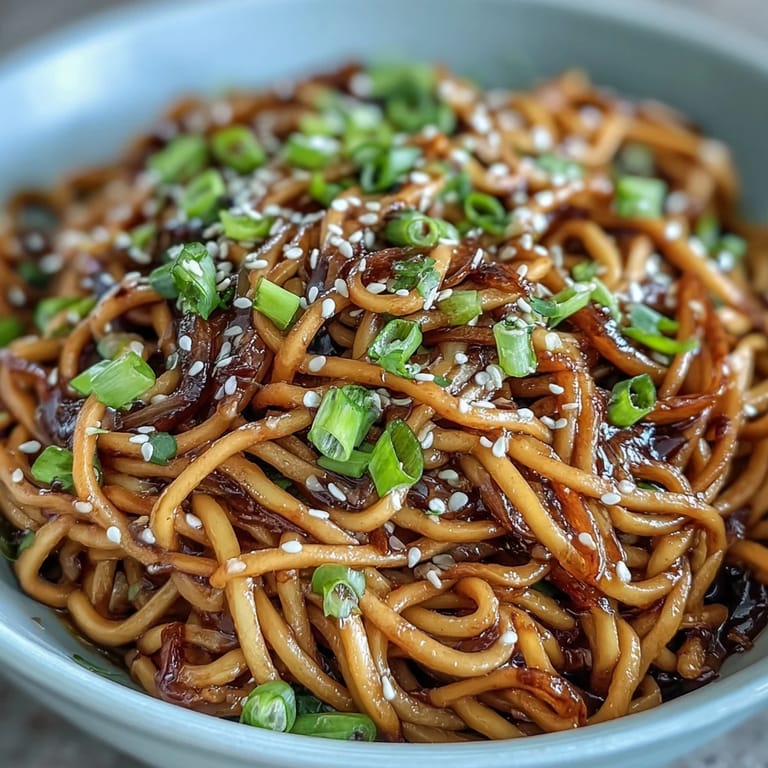
Save Make this when you want something that feels like takeout but tastes like home cooking. It's the kind of dish that proves you don't need complicated techniques or a long ingredient list to create something genuinely memorable.
Kitchen Guide
- → What type of noodles work best for this dish?
Wheat-based noodles like lo mein, ramen, or spaghetti are ideal for achieving the right texture and absorbing the glaze flavors.
- → Can I make this dish vegan?
Yes, substitute traditional oyster sauce with vegan oyster sauce or extra soy sauce to keep it plant-based.
- → How can I add more vegetables to this meal?
Add sautéed mushrooms, shredded carrots, bok choy, or snap peas for extra color, texture, and nutrition.
- → What is the role of the soy glaze?
The soy glaze provides a savory-sweet layer that ties the fresh ginger, scallions, and noodles together with rich umami notes.
- → How do I prevent the noodles from sticking together?
Cook noodles until al dente, rinse briefly with cold water, and toss quickly with the sauce to keep them separate and glossy.