 Save
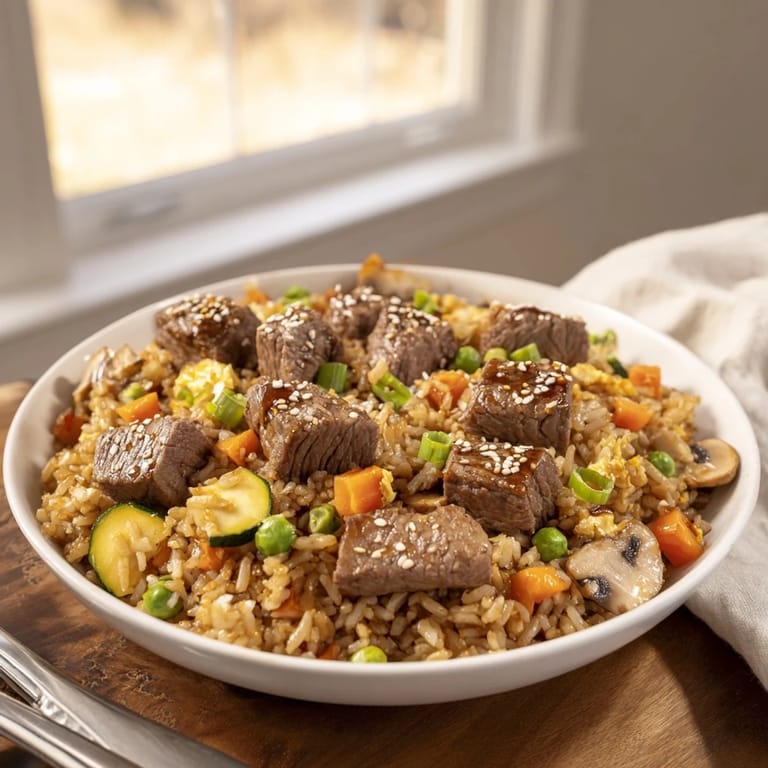
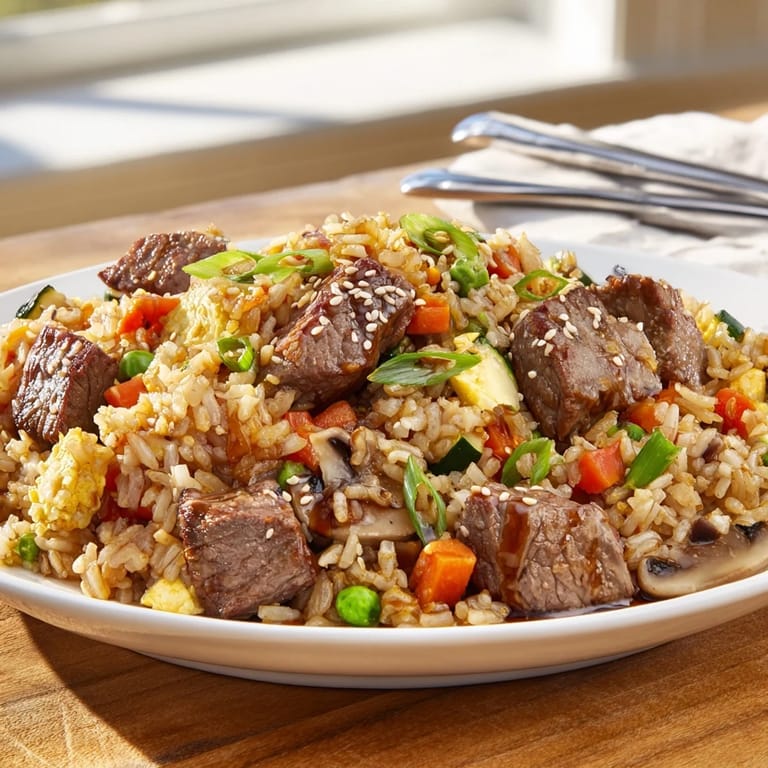
Save The first time I recreated hibachi at home, I stood in front of my stove with my husband watching, expecting the theatrical flames he remembered from birthday dinners at the Japanese steakhouse. Instead, I produced a modest sizzle and a really delicious dinner that's now become our Friday night staple. Something about that combination of tender steak, buttery rice, and fresh vegetables just hits different when you are cozy in your own kitchen.
Last winter when my sister came over after a terrible week at work, I made this recipe without saying a word. She took one bite, closed her eyes, and told me this was exactly the kind of comfort food she needed. Now she requests it every time she visits, and I have learned that good food really can help turn someone day around.
Ingredients
- Sirloin steak: Cut into cubes because smaller pieces cook faster and stay tender, plus they coat evenly in that marinade
- Low-sodium soy sauce: Gives you that umami depth without overpowering everything with salt
- Mirin: Adds a subtle sweetness that balances the savory elements, though dry sherry works in a pinch
- Sesame oil: Just a tablespoon provides that unmistakable hibachi aroma we all love
- Day-old jasmine rice: Cold rice grains separate beautifully and develop crispy edges instead of turning into mush
- Vegetable oil: High smoke point means you can cook at high heat like the pros do
- Butter: The secret to restaurant-style richness that makes this feel indulgent
Tired of Takeout? 🥡
Get 10 meals you can make faster than delivery arrives. Seriously.
One email. No spam. Unsubscribe anytime.
Instructions
- Marinate the steak:
- Combine the cubed sirloin with soy sauce, mirin, sesame oil, garlic, and pepper in a bowl. Let it sit while you chop everything else.
- Sear the beef:
- Heat half the oil in a large skillet over medium-high heat and cook the steak pieces for 2 to 3 minutes until browned. Remove and set aside on a plate.
- Cook the vegetables:
- Add the remaining oil to the same pan and sauté the onion, carrots, zucchini, and mushrooms for 4 to 5 minutes until just tender.
- Scramble the eggs:
- Push all vegetables to one side and pour the beaten eggs into the empty space. Scramble them until just set.
- Combine everything:
- Add the rice, peas, cooked steak, and soy sauce to the pan. Toss it all together, breaking up any rice clumps.
- Finish with butter:
- Stir in the butter and half the green onions, cooking for 2 to 3 more minutes until everything is heated through and slightly crispy.
 Save
Save My friend Emma came over recently and watched me make this, laughing when I told her the hibachi restaurants probably would not approve of my single-pan method. Then she took a bite and asked me to write down the recipe before she forgot how good it was. Now she makes it for her family every Tuesday.
Getting That Restaurant Texture
The key to authentic hibachi texture is cooking in stages and not rushing the process. Each ingredient needs its moment in the hot pan to develop flavor and texture before the next element joins the party. I used to dump everything in together, but taking the extra few minutes to layer the flavors makes such a difference.
Making It Your Own
Sometimes I swap in shrimp or chicken when I want something lighter, and both work beautifully with the same marinade and timing. My neighbor adds bean sprouts at the very end for extra crunch, and I have seen people toss in baby corn or sliced bell peppers depending on what is in their fridge.
Serving Suggestions
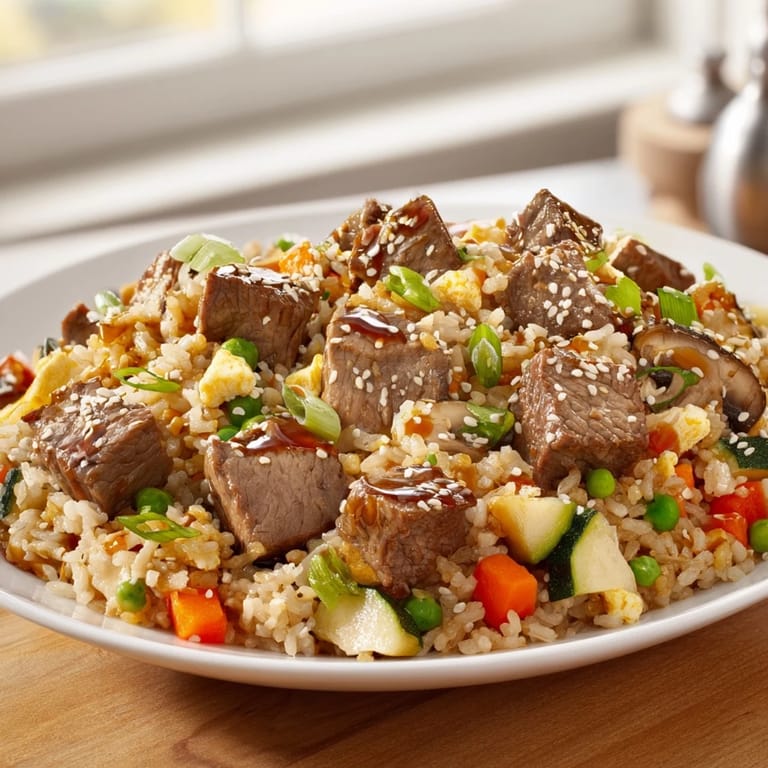
I like to set out small bowls of yum yum sauce and pickled ginger so everyone can customize their bowl. Keep some extra sriracha on hand for the heat seekers in your family.
- A simple cucumber salad with rice vinegar balances the richness perfectly
- Miso soup starts the meal off on an authentic note
- Cold Japanese beer or hot green tea completes the experience
 Save
Save There is something deeply satisfying about recreating restaurant food at home, especially when it tastes this good and comes together this quickly. Enjoy every bite of your personal hibachi night.
Kitchen Guide
- → Why use day-old rice for hibachi fried rice?
Day-old rice has dried out slightly, which prevents it from becoming mushy or sticky during stir-frying. The firmer texture holds up better to high heat and tossing, giving you those distinct, separate grains characteristic of restaurant-quality hibachi rice.
- → What cut of steak works best for hibachi?
Sirloin is an excellent choice for hibachi because it's tender, flavorful, and cuts cleanly into cubes. Ribeye or New York strip also work well. The key is cutting the steak into uniform 1-inch pieces so they cook evenly and stay tender.
- → Can I make this dish ahead of time?
You can prep all ingredients in advance—marinate the steak for up to 24 hours, chop the vegetables, and have your rice ready. However, hibachi is best served immediately after cooking while the rice is slightly crispy and the steak is at its most tender.
- → What vegetables can I substitute in the fried rice?
Feel free to use whatever vegetables you have on hand. Bell peppers, snap peas, corn, bean sprouts, or baby corn all work beautifully in this dish. The goal is to maintain a colorful mix and similar cooking times.
- → How do I get restaurant-style hibachi flavor at home?
The combination of soy sauce, mirin, and sesame oil creates that signature hibachi taste. High heat cooking in a large skillet or wok also develops those slightly crispy, caramelized edges. Don't overcrowd the pan, and let ingredients sear rather than steam.
- → Is there a gluten-free option for this hibachi dish?
Absolutely. Simply substitute the regular soy sauce with tamari or coconut aminos, and ensure your mirin is gluten-free. All other ingredients—steak, rice, vegetables, and eggs—are naturally gluten-free.