 Save
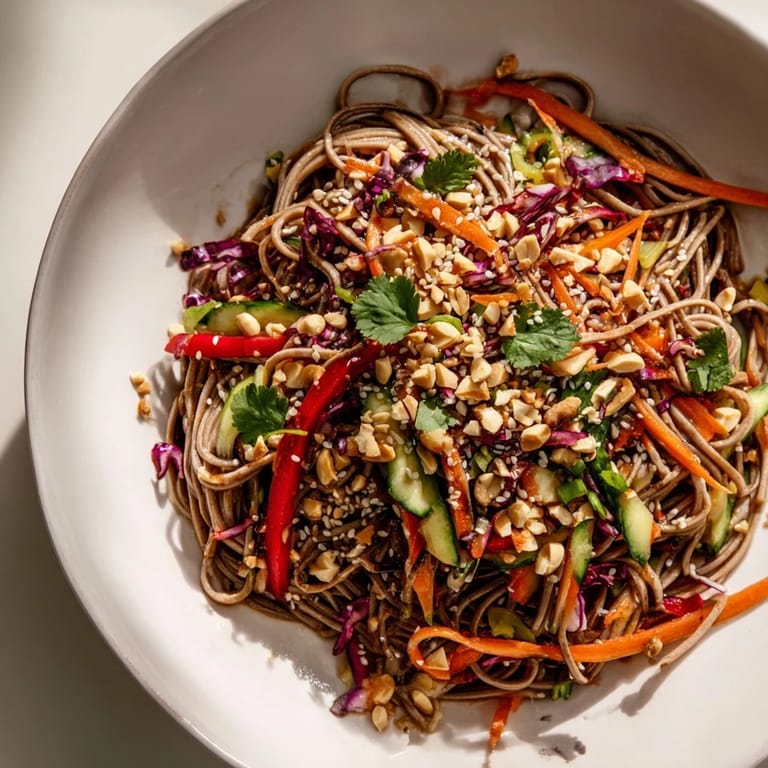
Save I discovered this noodle salad on a sweltering afternoon when my air conditioning had just broken and I had zero desire to turn on the stove. A friend texted asking if I wanted to grab lunch, but instead I raided my pantry and found a box of soba noodles, some vegetables that needed using, and suddenly had something better than any restaurant could offer—cold, slippery noodles coated in a dressing that tasted like summer itself. The sesame-ginger combination hit differently when everything was chilled, and I realized this wasn't just a side dish; it was exactly what my kitchen had been waiting to make.
I made this for a potluck once when everyone else showed up with pasta salads that looked identical, and mine arrived in a glass container where the noodles glistened under the porch lights. Someone asked what was in it, and by the time I finished explaining the ginger-sesame situation, three people had already gone back for seconds before the main course arrived. That's when I knew this recipe had staying power.
Ingredients
- Dried soba or rice noodles (250 g): Soba has an earthy flavor that pairs perfectly with the sesame dressing, but rice noodles work beautifully too and give you gluten-free flexibility.
- Carrot (1 medium, julienned): The sweetness balances the savory dressing, and thin strips mean they absorb flavor while staying crisp.
- Red bell pepper (1 small, thinly sliced): This adds color and a subtle sweetness that keeps the salad from tasting one-note.
- Cucumber (1, seeded and julienned): Seeding it prevents the salad from becoming watery—a step that actually matters here.
- Spring onions (3, finely sliced): They bring a gentle sharpness that wakes up the whole dish without overwhelming the other flavors.
- Red cabbage (50 g, thinly shredded): This stays crunchy longer than anything else and adds visual drama.
- Fresh cilantro (2 tbsp, chopped): Don't skip it—the brightness is essential to the final taste.
- Soy sauce (3 tbsp): The umami foundation of the entire dressing.
- Rice vinegar (2 tbsp): This keeps everything balanced and prevents the dressing from feeling too heavy.
- Toasted sesame oil (2 tbsp): Buy the good kind and store it in a cool place—rancid sesame oil ruins everything.
- Honey or maple syrup (1 tbsp): Just enough sweetness to round out the ginger's heat.
- Fresh ginger (1 tbsp, finely grated): Grate it fresh every time; powdered ginger is a different animal.
- Garlic clove (1, minced): A single clove is plenty—this isn't supposed to taste like garlic bread.
- Sriracha or chili sauce (1 tsp, optional): For those moments when you want warmth in your mouth on a hot day.
- Toasted sesame seeds (1 tbsp): Buy them already toasted if you can; raw sesame seeds taste almost bitter by comparison.
- Roasted peanuts or cashews (2 tbsp, roughly chopped): The crunch prevents the whole thing from feeling mushy.
- Additional sesame seeds for garnish (1 tbsp): A small luxury that makes it feel finished.
Tired of Takeout? 🥡
Get 10 meals you can make faster than delivery arrives. Seriously.
One email. No spam. Unsubscribe anytime.
Instructions
- Cook and chill the noodles:
- Bring a large pot of water to a rolling boil and cook the noodles according to the package timing—usually around 4 to 5 minutes for soba. The moment they're tender but still have a slight chew, drain them into a colander and run cold water over them until they're completely cool, stirring gently so they don't stick together.
- Prep everything at once:
- While the water is heating, slice and julienne all your vegetables so they're sitting ready when you need them. This mise en place moment makes the assembly almost meditative.
- Whisk the dressing:
- In a small bowl, combine soy sauce, rice vinegar, sesame oil, honey, ginger, and garlic, whisking until the honey dissolves and everything emulsifies slightly. Add sriracha if you want heat, then stir in the toasted sesame seeds—this is when the dressing starts to smell like something worth eating.
- Bring it all together:
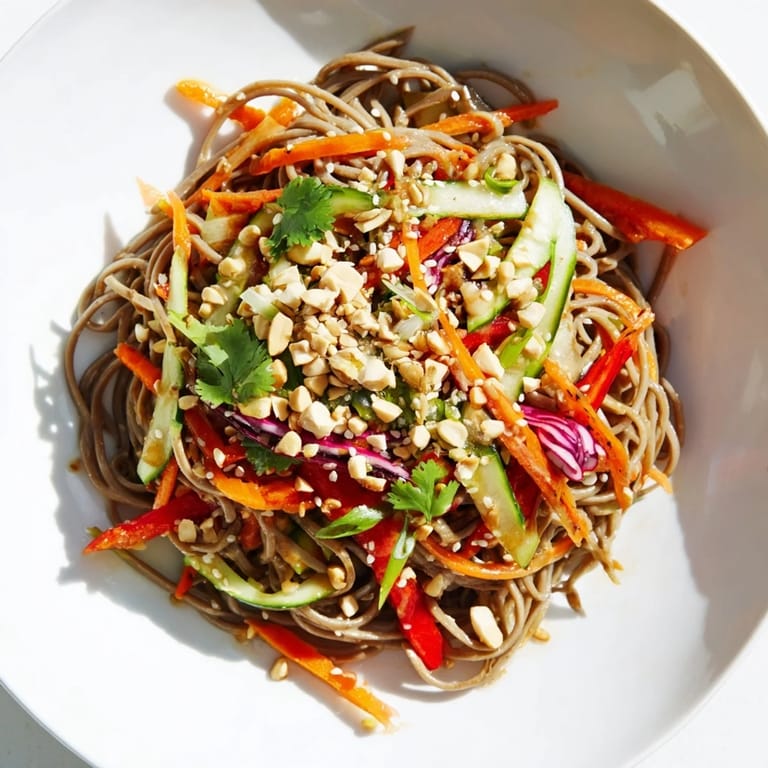
- Tip your cooled noodles into a large bowl, add the vegetables and cilantro, then pour the dressing over top and toss everything using salad tongs or your hands (hands are honestly better). Make sure every noodle gets coated, and don't be shy about working the salad—that's where the magic happens.
- Plate and finish:
- Divide the salad among serving bowls, scatter roasted nuts and extra sesame seeds across the top, and serve immediately if you can't wait, or chill for an hour if you're the patient type.
 Save
Save The best meal I had with this salad wasn't at a dinner party or a special occasion—it was sitting on my kitchen counter in old clothes, eating straight from the bowl while standing up because I was too hungry to bother plating it. That's when I realized this dish had become more than just something refreshing; it was my answer to every hot day that felt impossible to navigate.
The Sesame-Ginger Magic
The real alchemy here is how sesame oil and ginger create something that feels both comforting and exciting at the same time. Sesame oil carries an almost nutty warmth that could put you to sleep, but the ginger jolts you awake with a clean, spicy note that builds slowly on your tongue. Together they're like a conversation between two flavors that actually have something interesting to say to each other, and the noodles are just the canvas they need.
Making It Your Own
This salad is forgiving in the best way—if you don't have cilantro, mint works beautifully, and if your carrot is thick, just cut it differently and nobody will know the difference. Some days I add thinly sliced radishes for extra crunch, other times I throw in edamame because I have them hanging around. The vegetables aren't a strict rule; they're more of a suggestion about what textures and colors might be nice together.
Serving and Storing
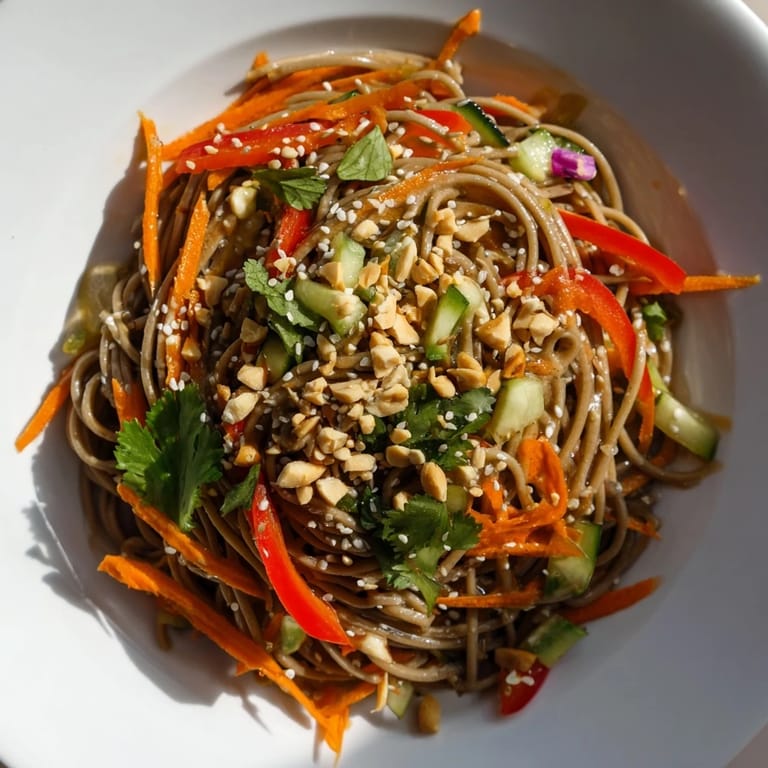
This salad tastes good hot or cold, immediately or the next day, and travels well enough that you could pack it for lunch without guilt. The noodles don't break down, the vegetables stay crisp enough, and the dressing somehow tastes even more complex after a night in the refrigerator. If you're feeding people who want protein, shrimp or tofu gets tossed in at the very end so the dressing still reaches everything equally.
- Store in an airtight container for up to two days, though it's honestly best eaten the same day you make it.
- If the dressing seems thick after sitting, thin it with a teaspoon of rice vinegar or sesame oil.
- Bring it to room temperature for 10 minutes before serving if it's been in the fridge, so the flavors wake back up.
 Save
Save Make this when you need something that tastes like care without any of the stress, and watch people eat it like they're tasting summer in a bowl. It's the kind of meal that reminds you why you love cooking in the first place.
Kitchen Guide
- → What type of noodles can I use?
Soba or rice noodles work well; choose based on preference or dietary needs.
- → Can the dressing be made ahead?
Yes, the sesame-ginger dressing can be prepared in advance and stored in the fridge for up to 3 days.
- → How can I make this salad gluten-free?
Use tamari instead of soy sauce and substitute soba noodles with rice noodles.
- → What proteins pair well with this dish?
Grilled chicken, cooked shrimp, or tofu complement the flavors and add extra protein.
- → Are there allergen concerns to be aware of?
The salad contains soy, sesame, peanuts or cashews, and wheat if using soba noodles. Substitute nuts if needed.