 Save
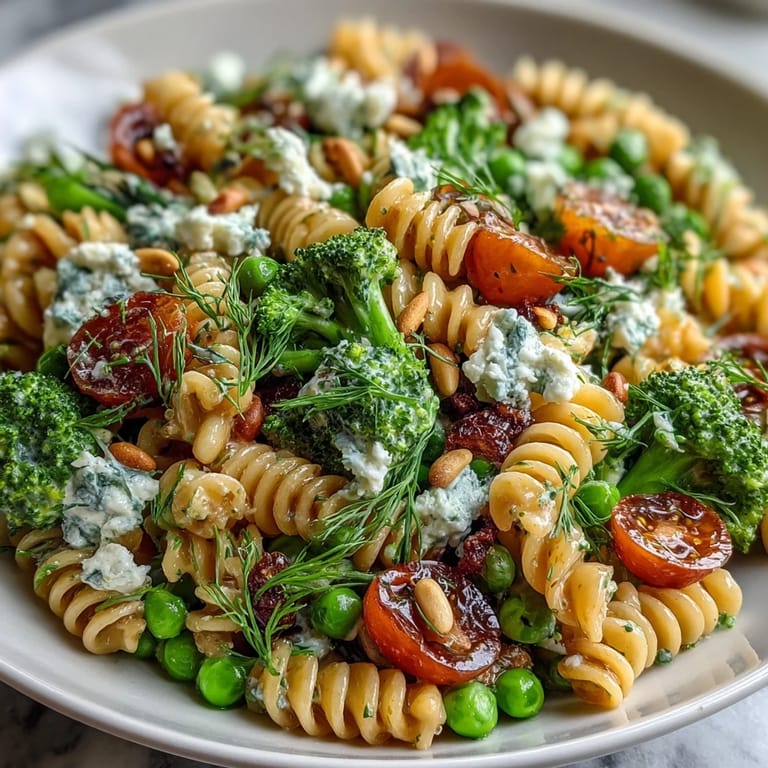
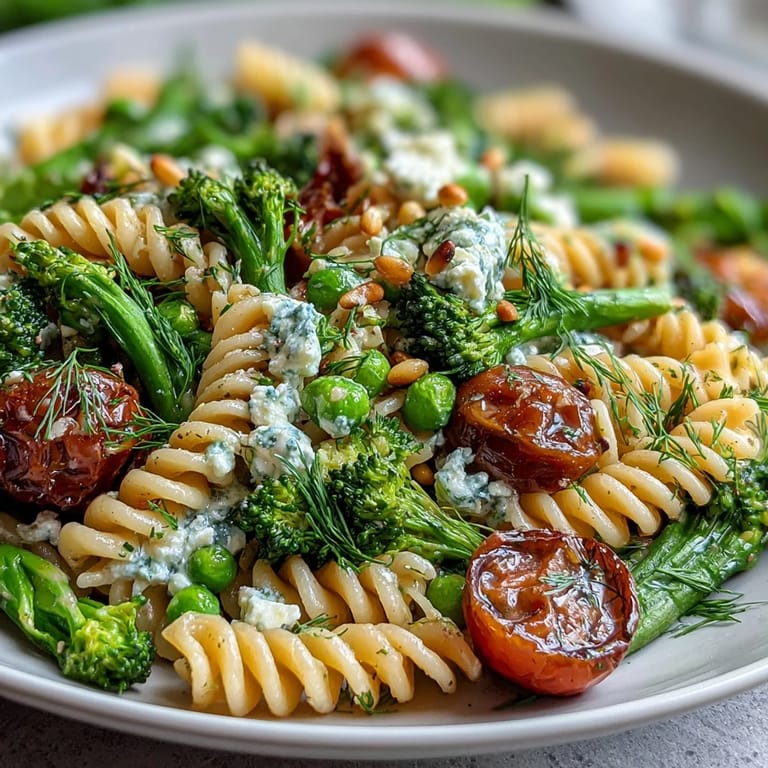
Save Last spring, I stood in my kitchen with a colander full of farmers market vegetables—so much green it almost glowed—and realized I had no idea what to do with it all. A friend called asking what I was making for a picnic the next day, and something clicked: pasta salad, but the kind that tastes like actual spring instead of mayonnaise. That first batch, tossed with lemon and fresh herbs while still warm, became the thing people actually asked me to bring back.
My neighbor brought her daughter over on a Wednesday evening, and I served this chilled from the fridge with crusty bread. The kid, who normally picks at salads, went back for seconds and asked if I could "make it again tomorrow." That's when I knew it wasn't just me being nostalgic about the vegetables—something about this combination genuinely works for everyone.
Ingredients
- Short pasta (fusilli, penne, or farfalle), 250 g: Choose a shape with texture and ridges so the dressing actually clings instead of sliding off; farfalle catches everything beautifully.
- Broccoli florets, 1 small head: Cut them small enough that you get one or two per bite, not so small they disappear into the pasta.
- Fresh or frozen peas, 150 g: Frozen works just as well and honestly tastes fresher since they're picked at peak ripeness; no shame in the shortcut.
- Cherry tomatoes, 100 g, halved: These hold their shape and burst with sweetness, but if you only have larger tomatoes, dice them smaller so they're not overwhelming.
- Spring onions, 2, thinly sliced: The raw bite keeps everything from tasting too soft; don't skip this just because it seems like a small detail.
- Cucumber, 1 small, diced: Adds a cool crunch that makes you want another bite even when you're full.
- Extra-virgin olive oil, 3 tbsp: This is where quality matters; cheap oil tastes flat and thin, good oil makes the whole thing taste intentional.
- Freshly squeezed lemon juice, 2 tbsp: Bottled lemon juice tastes like regret; spend the two minutes squeezing real lemons and taste the difference.
- Dijon mustard, 1 tsp: The emulsifier that keeps everything balanced instead of separating into oil and vinegar; don't substitute with yellow mustard.
- Garlic clove, 1, finely minced: Raw garlic is sharp and perfect here, but mince it small so you don't bite into a chunk and hurt your mouth.
- Fresh dill, 1 tbsp, chopped: Dill and lemon are practically soulmates; if you hate dill, use more parsley but know you're changing the whole mood.
- Fresh parsley, 1 tbsp, chopped: Mild enough to layer with the dill without overpowering, adds a garden-fresh smell that makes you happy.
- Salt and freshly ground black pepper: Taste as you go; the lemon and herbs are bold enough that underseasoning makes everything taste dull.
- Feta cheese, 40 g, crumbled (optional): Salty, tangy, and cuts through the vegetables; if you're not using it, bump up the salt slightly in the dressing.
- Toasted pine nuts, 2 tbsp (optional): They add a buttery crunch that feels indulgent; toasting them yourself takes five minutes and tastes infinitely better than buying them pre-toasted.
Tired of Takeout? 🥡
Get 10 meals you can make faster than delivery arrives. Seriously.
One email. No spam. Unsubscribe anytime.
Instructions
- Boil the pasta with intention:
- Bring a big pot of salted water to a rolling boil—the kind where it's actually thundering, not just steaming—because that's how pasta gets properly seasoned from the inside. Salt the water until it tastes like the sea; it's the only time your pasta gets seasoned, so don't be shy.
- Time the vegetables with the pasta:
- About two minutes before the pasta finishes, add the broccoli florets and peas right into the same pot so everything cooks together and gets slightly tender. When you drain it, the residual heat will finish softening the vegetables without turning them to mush.
- Cool everything down fast:
- Run everything under cold water, shaking the colander so you get rid of excess water; warm pasta and hot vegetables will absorb the dressing too quickly and turn mushy by the time you serve it. Take a moment to feel the pasta get cool under your hands; that's how you know you've stopped the cooking process.
- Build the dressing in a bowl:
- Whisk the olive oil, lemon juice, mustard, minced garlic, dill, and parsley together until it looks slightly creamy and emulsified, not separated. Taste it before you add the pasta—the dressing should make your mouth pucker slightly with lemon, because the pasta and vegetables will soften that brightness.
- Bring everything together gently:
- Pour the cooled pasta and vegetables into the bowl with the dressing and toss with hands or wooden spoons, not violent stirring, so nothing gets bruised. Fold everything together slowly until every piece is coated and nothing is sitting at the bottom undressed.
- Finish with the crunch:
- Transfer to a serving bowl and scatter the feta and pine nuts on top, tossing them in gently if you want them mixed throughout or leaving them on top for a prettier presentation. Taste one more time and adjust salt and pepper; cold food needs slightly more seasoning than hot food, so don't be timid.
 Save
Save My cousin brought this to a family Fourth of July dinner on a sweltering afternoon, and watching people actually set down their plates and go back for more made me realize food doesn't have to be complicated to matter. The salad sat in the cooler next to the ribs and potato salad, but somehow it's the one everyone remembered.
The Magic of Making It Ahead
One of the smartest moves with this salad is preparing everything the night before except the final assembly. Chop all your vegetables, store them in separate containers, and make the dressing in a little jar; in the morning, you just toss it together in five minutes while everything is still cold and crisp. This is what makes it perfect for actual busy people, not just people who pretend to be busy.
What You Can Actually Change
The vegetables listed here are a starting point, not a rule. I've made this with blanched asparagus in late spring, added thinly sliced radishes for peppery crunch, swapped in snap peas, and thrown in shaved carrots. The only thing I wouldn't mess with is the lemon-herb dressing because that's the spine of the whole thing; everything else is negotiable based on what's at the market and what sounds good.
Serving and Storage Secrets
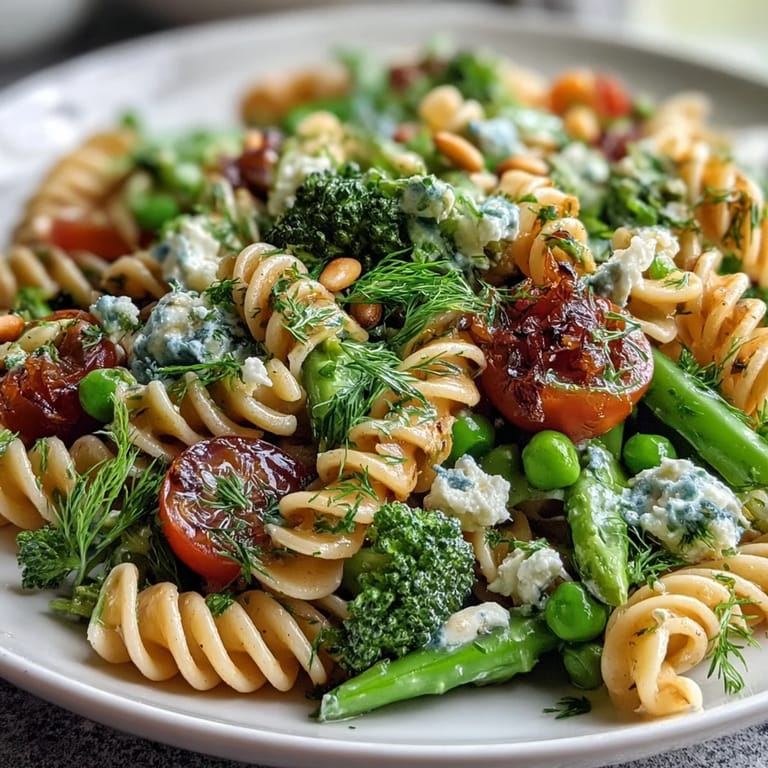
This salad is best served cold, either right after you make it or up to four hours later once the flavors have gotten to know each other. If you're keeping it for a picnic or potluck, pack the dressing separately and toss everything together just before serving, because the pasta will keep absorbing liquid and turn soggy by hour three. Store leftovers in a container in the coldest part of your fridge and eat within two days, though honestly it rarely lasts that long in my house.
- If you're adding protein like grilled chicken or salmon, slice or cube it and toss it in just before serving so it stays tender.
- A crisp white wine like Sauvignon Blanc is the perfect drink alongside this, but cold water with lemon is honestly just as good.
- This works beautifully as a side dish for grilled fish, but it's substantial enough to be lunch all by itself.
 Save
Save This salad reminds me why spring vegetables matter and why you don't need heavy sauces or complicated techniques to make something people actually want to eat. It's the kind of thing that feels almost too easy until you taste it and realize simplicity done well is the opposite of boring.
Kitchen Guide
- → Can I use gluten-free pasta in this dish?
Yes, gluten-free pasta works well to accommodate dietary needs without compromising taste or texture.
- → How can I keep the vegetables crisp?
Rinsing the cooked pasta and vegetables under cold water right after draining helps preserve their crunch and freshness.
- → Is feta cheese required for this dish?
Feta cheese is optional; it adds a creamy and tangy element, but the salad is delicious without it or can be substituted with a plant-based alternative.
- → What herbs are best for the dressing?
Fresh dill and parsley create a bright, herbal note that complements the lemon and mustard in the dressing nicely.
- → Can this pasta salad be made ahead of time?
Yes, it can be refrigerated for up to 4 hours to allow flavors to blend, but for best texture, serve soon after tossing.
- → What are good protein pairings with this dish?
Grilled chicken or salmon are excellent options to add protein and make it a more filling meal.