 Save
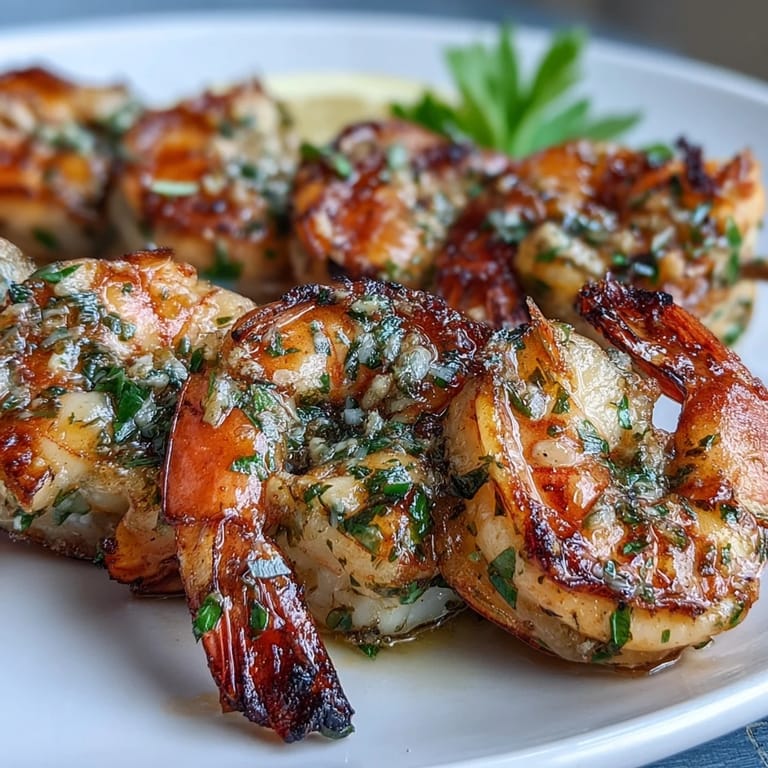
Save A friend dropped by on a sweltering Saturday afternoon with nothing but shrimp and ambition, and somehow we turned it into the most refreshing dinner without breaking a sweat in the kitchen. She pulled out this lemon-herb marinade idea from memory, threw everything together in minutes, and by the time the grill got hot, the whole backyard smelled like a Mediterranean coast we'd never visited. Those skewers came off the flames with this perfect char that made everyone forget how simple they actually were to make. It became our go-to move whenever we needed something light but impressive, no fuss required.
One evening, I made this for a small group who were all on different food plans, and instead of three different meals, everyone ate the same thing and actually enjoyed it more because it tasted like actual food, not compromise. That's when I realized grilled shrimp skewers aren't just convenient, they're honest cooking—no hidden starches or heavy cream masking what's really there.
Ingredients
- Large shrimp (1 lb, peeled and deveined, tails on): Keep the tails on because they're handles and they look beautiful on the platter, plus they prevent the shrimp from slipping around on the skewer.
- Fresh lemon juice (3 tbsp from about 1 large lemon): Squeeze it yourself because bottled juice tastes flat and metallic—fresh lemon is what makes this whole dish sing.
- Olive oil (2 tbsp): Use something you'd actually taste, not the cheapest bottle, because it carries flavor into the shrimp.
- Garlic (2 cloves, minced): Mince it fine so it distributes evenly through the marinade and doesn't leave bitter chunks.
- Fresh parsley (1 tbsp chopped): This is your green note that keeps everything bright and prevents the herb flavor from getting heavy.
- Fresh basil (1 tbsp chopped): Adds a subtle sweetness that balances the acidity of the lemon perfectly.
- Fresh thyme leaves (1 tsp): Use leaves off the stem because they cling to the shrimp better than whole sprigs.
- Salt (½ tsp) and black pepper (¼ tsp): Season generously because they're the backbone of seasoning and shrimp need proper salt to taste alive.
- Red pepper flakes (½ tsp, optional): Add these only if you want heat, but leave them out if your crowd prefers subtle flavors.
- Lemon zest (from 1 lemon): Don't skip this—the oils in the zest add complexity that juice alone can't deliver.
- Lemon wedges and fresh herbs (for serving): These aren't just garnish, they're the final brightness that ties everything together on the plate.
Tired of Takeout? 🥡
Get 10 meals you can make faster than delivery arrives. Seriously.
One email. No spam. Unsubscribe anytime.
Instructions
- Build the marinade:
- In a medium bowl, whisk together lemon juice, olive oil, minced garlic, parsley, basil, thyme, salt, pepper, red pepper flakes, and lemon zest until everything is evenly combined. You'll smell the Mediterranean the moment these ingredients meet, and that's your signal that you're on the right track.
- Coat the shrimp:
- Add the shrimp to the marinade and toss until every piece is glossy and coated, then cover and refrigerate for 10 to 15 minutes—no longer, because the acid in the lemon will actually start cooking the shrimp if left too long. This is the moment where you could go grab ice and glasses because everything else just waits.
- Prepare your skewers:
- If you're using wooden skewers, submerge them in a bowl of water for at least 15 minutes so they won't char before the shrimp cooks through. Metal skewers skip this step, but they get scaldingly hot, so keep that in mind when handling them.
- Get the grill ready:
- Preheat your grill or grill pan to medium-high heat, aiming for about 400°F (200°C)—hot enough that a drop of water sizzles immediately. You'll know it's right when the grill grate itself looks shimmery and ready.
- Thread the shrimp:
- Skewer each shrimp twice by piercing near the head and again near the tail, which keeps them from spinning and ensures even cooking. This two-point contact is what separates perfectly cooked shrimp from ones that twist around and cook unevenly.
- Grill with confidence:
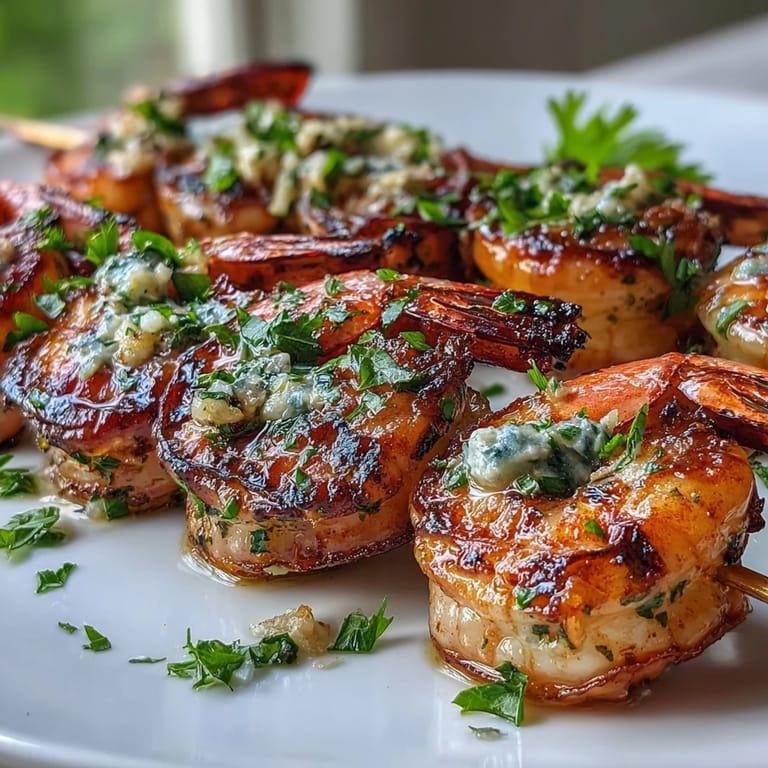
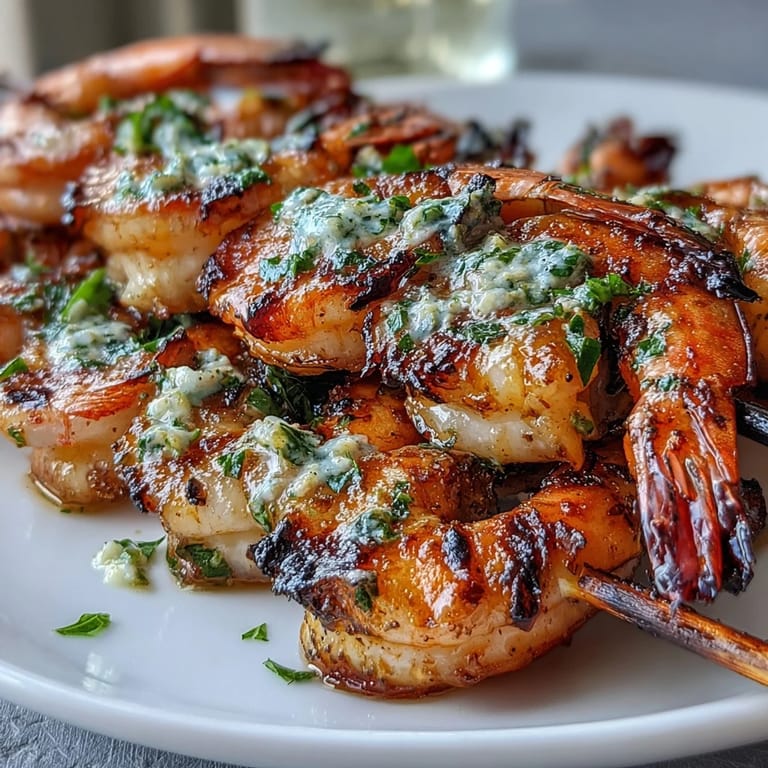
- Place the skewers directly on the grill and let them sit for 2 to 3 minutes per side without moving them around—that's when the magic happens and you get those light char marks. You'll see the shrimp transition from translucent gray to opaque white and feel a little thrill each time.
- Finish and serve:
- Transfer the skewers to a platter, squeeze fresh lemon wedges over top, scatter with chopped herbs, and serve immediately while they're still warm. This is when someone always says they taste like a fancy restaurant, and you get to just smile mysteriously.
 Save
Save I watched my father taste one of these skewers and immediately ask for the recipe, which he'd never done for my cooking before, and suddenly I understood that sometimes the simplest preparations are the ones people actually want to learn. There's something about grilled shrimp that makes people feel taken care of without the cooking having felt stressful.
Why This Works as Summer Food
These skewers don't heat up your kitchen, they're light enough to eat on a warm evening without feeling heavy, and they look festive without requiring hours of prep or a culinary degree. The grill does almost all the work while you pour drinks and set the table, which is exactly how summer cooking should feel.
Variations and Swaps
Once you understand how the marinade works, you can trade out the herbs freely—cilantro and mint create an entirely different mood, while adding smoked paprika gives everything a deeper, slightly smoky character. The formula stays the same: acid, oil, aromatics, and heat for however long you need it to taste right to you.
Pairing Ideas and Serving Suggestions
Serve these over a simple green salad dressed with the same lemon and oil, or alongside cauliflower rice if you're staying low-carb, and the whole meal feels coherent and intentional. A cold glass of Sauvignon Blanc is the obvious choice, but a crisp rosé works beautifully too and somehow makes everything taste like a long, lazy evening.
- Make extra skewers because leftovers are surprisingly good cold the next day as part of a lunch plate with olives and fresh bread.
- Thread shrimp onto two parallel skewers per serving instead of one so they don't rotate and cook unevenly.
- Grill any extra lemon wedges cut-side down to caramelize them slightly, which adds a subtle sweetness that complements the herb flavors beautifully.
 Save
Save This is the kind of recipe that reminds you cooking doesn't have to be complicated to be good, and sometimes the best meals come from just a few fresh ingredients treated with respect. Make these once and they'll become your reliable move for every time someone says they're not very hungry but they want to eat something that tastes like you actually tried.
Kitchen Guide
- → How long should I marinate the shrimp?
Marinate for 10–15 minutes maximum. The lemon juice's acid can actually cook the shrimp if left longer, resulting in a mushy texture. This quick marinating time still infuses plenty of bright flavor.
- → Can I use frozen shrimp for this dish?
Yes, thaw frozen shrimp completely in the refrigerator before marinating. Pat them dry with paper towels to ensure the marinade adheres properly and the shrimp grill evenly without steaming.
- → What's the best way to prevent shrimp from falling off skewers?
Thread each shrimp twice—once near the head end and once near the tail. This double-piercing technique keeps them secure during grilling and flipping. Metal skewers work best, but soaked wooden ones also do the job.
- → How do I know when the shrimp are done cooking?
The shrimp are ready when they turn completely opaque and pink with slight char marks. This typically takes 2–3 minutes per side. Avoid overcooking, as shrimp become tough and rubbery quickly.
- → Can I make these indoors without a grill?
A grill pan or cast-iron skillet works beautifully. Preheat to medium-high and cook for the same timing, turning once. You'll still get delicious charred flavor and those appealing grill marks.
- → What sides pair well with these shrimp skewers?
They're excellent over light summer salads, cauliflower rice, or roasted vegetables. The bright citrus flavors also complement grain bowls, or serve as an appetizer with tzatziki for dipping.