 Save
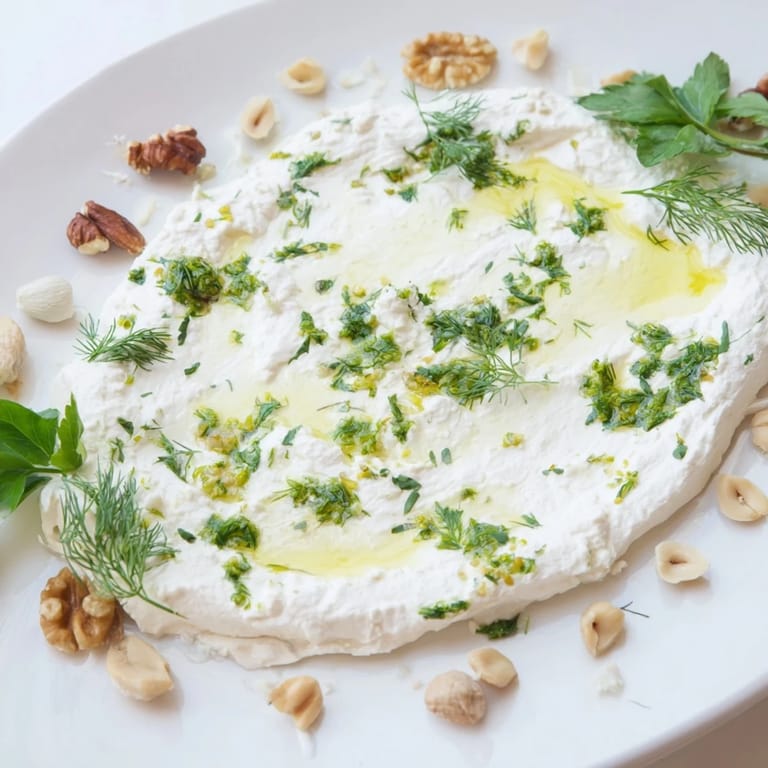
Save I stumbled onto the idea for this dish while rearranging a shelf in my kitchen and knocked over a jar of mixed herbs, sending sprigs scattering across a block of soft cheese I'd left out. As I picked them up, the delicate imprints caught the light, and something clicked—it looked like nature's fingerprints, like holding evidence of something ancient in my hands. That moment of happy accident became this playful appetizer, and now whenever I make it, I'm transported back to that cluttered Tuesday afternoon when chaos became creativity.
I brought this to a dinner party where my friend Sarah, an actual paleontologist, arrived with her collection of fossil photos. Watching her lean in to examine the herb patterns on the cheese, then break into laughter when she got the joke, felt like the highest compliment. She kept pointing out which herbs had created the most convincing "fossils," and suddenly the whole table was engaged in a playful debate about which impressions looked most authentic. That evening taught me that the best dishes aren't just about flavor—they're about sparking curiosity and connection.
Ingredients
- Soft cheese (250g): Choose whatever you love—goat cheese brings tang, cream cheese offers smoothness, ricotta gives a lighter touch. The sturdier the better, so your herb imprints hold their shape without the whole thing collapsing like a delicious accident.
- Fresh herbs (one small bunch): Parsley, dill, cilantro, and chervil all leave different patterns; mix them for visual intrigue. The more delicate and feathery the better, as they create sharper impressions that really sell the fossil effect.
- Assorted nuts (100g): Walnuts, pecans, almonds, and hazelnuts in their shells look most authentic and archaeological. If you're cracking them yourself, those shell fragments scattered around the cheese become part of the visual story.
- Olive oil (1 tbsp, optional): A light brush gives the cheese a subtle shine and helps herbs stick without leaving them looking dull.
- Sea salt (1/2 tsp, optional): A whisper of salt across the surface brightens the cheese and balances the earthiness of the nuts.
Tired of Takeout? 🥡
Get 10 meals you can make faster than delivery arrives. Seriously.
One email. No spam. Unsubscribe anytime.
Instructions
- Prepare your stage:
- Line a small tray with parchment paper so the finished cheese lifts away cleanly. This small gesture matters more than you'd think—nothing ruins the moment like your fossil stuck to a plate.
- Spread and shape:
- Dollop your soft cheese onto the paper and use a spatula to gently spread it into a rough oval or round about 2cm thick. Keep the edges irregular; ancient things are never perfect, and neither should this be.
- Make your imprints:
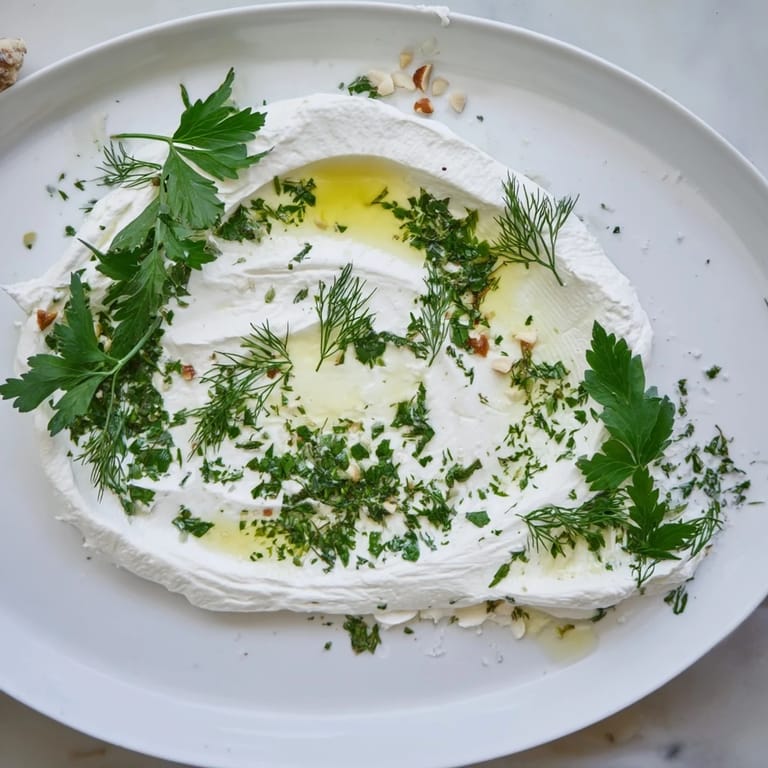
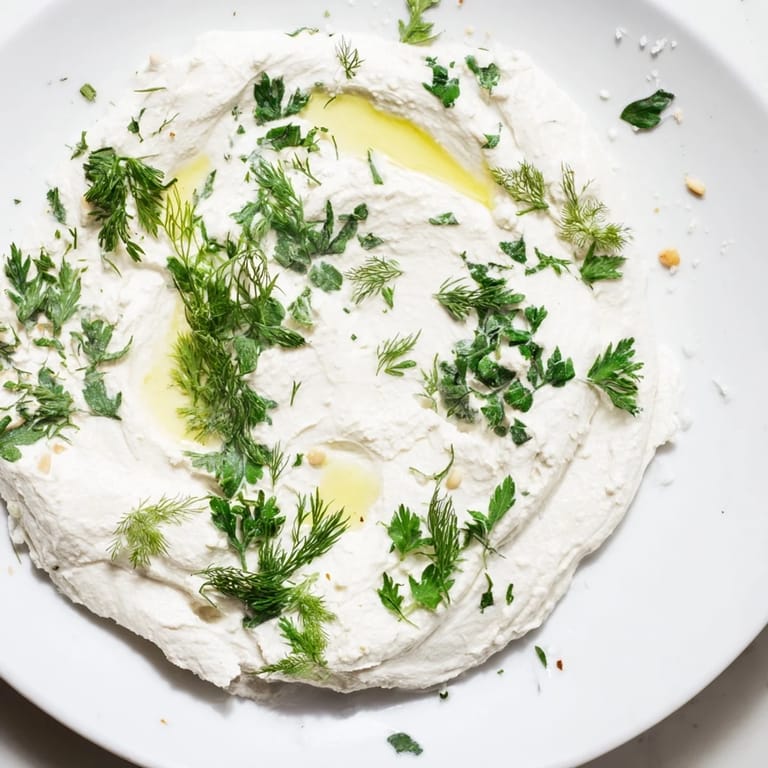
- Press fresh herb sprigs into the cheese surface, holding each one steady for a moment so the delicate leaves or fronds leave a clear impression. Then carefully lift away the herbs to reveal the pattern, like an archaeologist's brush revealing hidden details.
- Add shine (if you like):
- A light brush of olive oil across the surface gives the cheese a subtle glow and helps those herb patterns catch the light at any angle.
- Arrange your archaeological find:
- Scatter cracked nuts around the cheese, and if you've cracked them yourself, toss in some shell fragments too. Lean into the messiness; it's part of the charm.
- Final touch:
- Sprinkle a whisper of sea salt across everything if you want, then step back and admire what you've created before serving.
 Save
Save The real magic happened when my niece, who's obsessed with dinosaurs, declared that the dill-printed pattern "obviously belonged to a prehistoric fern" and insisted on being my official fossil expert for future dinner parties. Children see what we forget to look for—pure wonder in simple details. Now she helps me press the herbs, and I let her arrange the nuts however her imagination dictates, turning a 15-minute appetizer into a ritual we both love.
Why Presentation Matters
This isn't just food; it's a conversation piece that lives on the table before anyone takes a bite. I've learned that the most memorable dishes engage more than just your taste buds—they make people look, wonder, and ask questions. The theatrical element of herb-pressed cheese surrounded by cracked nuts and shell fragments tells a story, and stories are what we actually remember when a meal is over.
Pairing and Serving Ideas
I serve this with good crackers, fresh bread, or thin slices of apple, depending on what mood I'm in and what's in my kitchen. A crisp white wine like Sauvignon Blanc sits beside it beautifully, or if you're feeling adventurous, a light sparkling cider works too. Sometimes I offer a small bowl of honey on the side—the sweetness playing against the savory cheese creates a flavor surprise that makes people close their eyes for a moment.
Making It Your Own
The skeleton of this recipe is simple enough that it invites your own interpretation. I've seen versions with edible flowers pressed into the cheese for a more delicate look, and friends have shared their plant-based versions using cashew cream that's absolutely convincing. The beauty is that you're working with a concept, not rigid rules—let your kitchen and your creativity guide you.
- Try edible flowers like pansies or nasturtiums for fossil impressions that look almost too precious to eat.
- A vegan soft cheese works beautifully if you're cooking for plant-forward friends, holding impressions just as well as dairy cheese.
- Serve it with fruit preserves or a drizzle of honey for an unexpected sweet note that changes everything.
 Save
Save Every time I make this, I'm reminded that the best appetizers are the ones that make people smile before they even taste them. It's approachable, impressive, and utterly delicious—everything a good dish should be.
Kitchen Guide
- → What types of cheese work best for this dish?
Soft cheeses like goat cheese, cream cheese, or ricotta create smooth surfaces ideal for herb imprints and offer a creamy, mild base flavor.
- → Can I use different herbs for the imprints?
Yes, fresh herbs such as parsley, dill, cilantro, or chervil all make beautiful, detailed impressions and add fresh aroma to the dish.
- → How should the nuts be prepared?
Using cracked nuts with some shell fragments intact adds rustic texture and visual interest, complementing the creamy cheese.
- → Is it necessary to brush olive oil on the cheese?
Brushing a light layer of olive oil gives a subtle sheen that enhances the cheese’s appearance and adds a hint of richness.
- → What are good accompaniments to serve with this cheese and nut display?
Serve alongside crackers, fresh bread, honey, or fruit preserves for balanced flavors and contrasting textures.