 Save
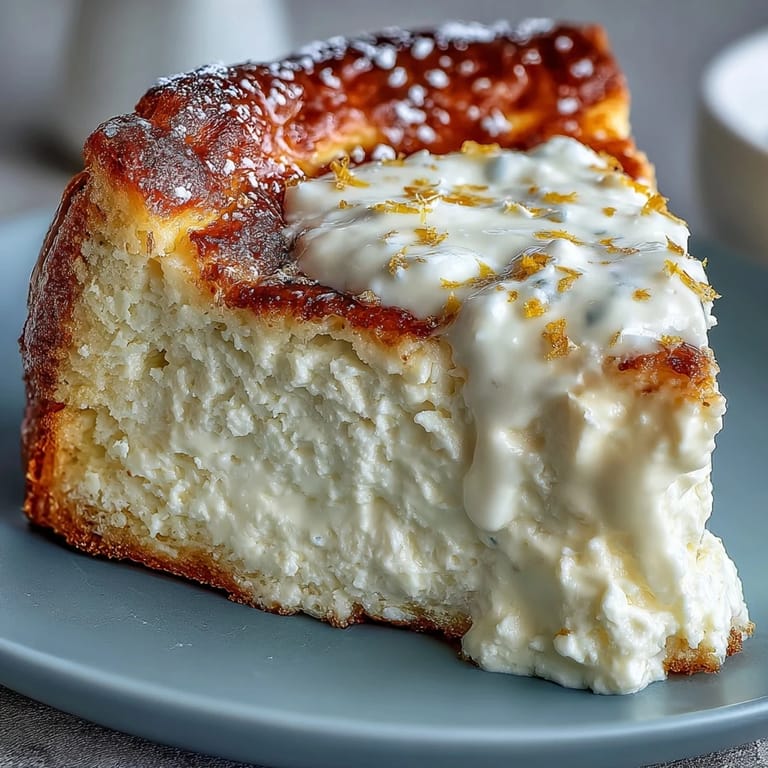
Save My aunt always made this pie on Easter morning, and the kitchen would fill with that sharp, sweet lemon brightness before anyone else in the house was even awake. She'd hum while pressing the pastry into the pan, and I'd watch from the counter with a cup of hot chocolate, mesmerized by how she could make something so elegant look effortless. Years later, I finally asked her for the recipe, half expecting some complicated secret, but what she handed me was beautifully simple—just good ricotta, eggs, lemon, and patience. Now when I bake it, I understand why she was always calm in the kitchen; this pie teaches you that some of the most memorable desserts don't demand fussiness, just honesty.
I brought this to a potluck last spring, and someone asked if I'd bought it from an Italian bakery—the compliment stung a little, but in the best way possible. Watching people close their eyes after that first forkful, seeing them reach for seconds before finishing their first slice, made me realize that food like this connects us to something deeper than just hunger. That afternoon, three different people asked me to make it for their celebrations, and I said yes to all of them.
Ingredients
- All-purpose flour (2 cups): The foundation of a tender pastry that should shatter slightly when you bite into it; measuring by weight gives you consistency that volume can never guarantee.
- Granulated sugar (3/4 cup for filling): Just enough sweetness to let the ricotta and lemon take center stage without making this taste like a candy bar.
- Cold unsalted butter (1/2 cup): This has to be genuinely cold and cubed small; warm butter is the enemy of a flaky crust, and your fingertips are the best tool to know when the texture is right.
- Whole milk ricotta cheese (2 cups): Drain it well in cheesecloth for at least an hour before mixing, or your filling will weep and slide around; this single step changed everything for me.
- Lemon zest (from 2 lemons): Use a microplane and go slow—you want the bright oils, not the bitter white pith underneath, and there's a satisfying precision to getting this right.
- Heavy cream (1/4 cup): This adds richness and helps bind the filling so it sets cleanly without cracking on top.
- Eggs (3 large, plus 1 whole egg and 1 yolk for pastry): Room temperature eggs mix into the ricotta more smoothly and create a custard-like texture that feels almost cloud-like when baked.
Tired of Takeout? 🥡
Get 10 meals you can make faster than delivery arrives. Seriously.
One email. No spam. Unsubscribe anytime.
Instructions
- Make your pastry base:
- Combine flour, sugar, and salt in a bowl, then add your cold butter cubes and use your fingertips to rub everything together until it looks like coarse breadcrumbs—this should take about three to four minutes, and you'll feel when it's right because the texture suddenly shifts under your hands. The whole egg, egg yolk, and vanilla go in next, then water one tablespoon at a time until the dough just barely holds together; resist the urge to overmix.
- Chill and prepare:
- Shape the dough into a disk, wrap it in plastic, and give it at least thirty minutes in the fridge—this resting time is when the gluten relaxes and the butter solidifies, both crucial for a flaky result. While you wait, preheat your oven to 350 degrees Fahrenheit and grease your pie pan.
- Build the crust:
- On a lightly floured surface, roll the dough out to fit your nine-inch pan, then gently press it into the bottom and sides without stretching—stretched dough will shrink back and betray you. Trim the excess, prick the base with a fork, and let it chill for another ten minutes while you prepare the filling.
- Whisk together the ricotta filling:
- In a clean bowl, combine your well-drained ricotta with sugar, eggs, vanilla, lemon zest, lemon juice, flour, salt, and heavy cream, whisking until the mixture is completely smooth—lumps of ricotta will bake hard and ruin the otherwise silky texture. This is where you taste and adjust if needed; the filling should taste bright and lightly sweet, never heavy.
- Fill and bake:
- Pour your filling into the pastry shell and smooth the top gently, then slide it into the oven for fifty-five to sixty minutes until the edges are set but the very center still has a slight wobble when you gently shake the pan. The top should be lightly golden, almost blushed with color.
- Cool with patience:
- Let the pie cool completely on a wire rack—this prevents the bottom from getting soggy—then refrigerate for at least two hours before slicing, which allows everything to set properly and makes serving cleaner.
 Save
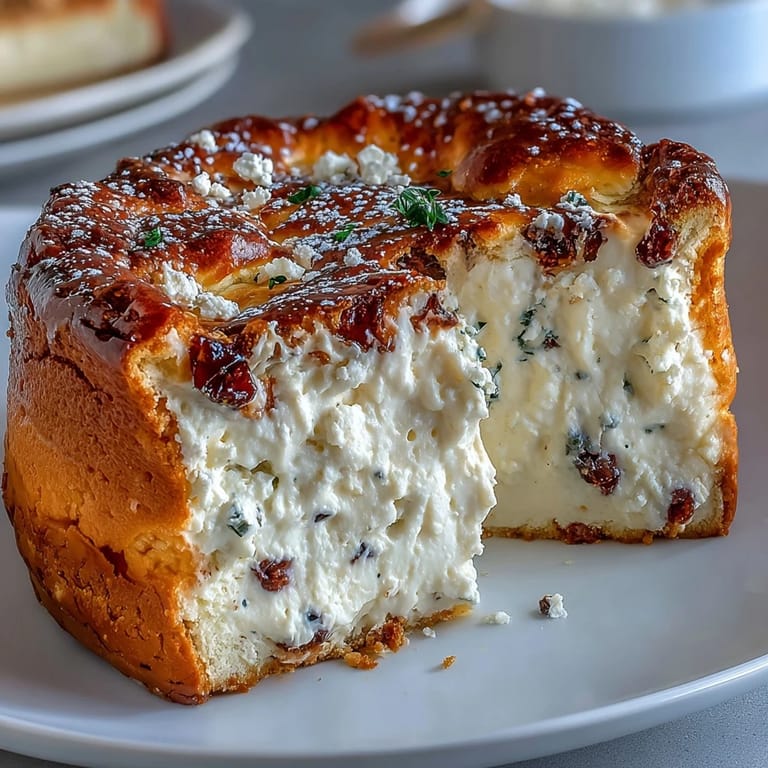
Save There's a moment when you pull this pie from the oven and the whole kitchen smells like lemon and butter and something ancient and good, and you know without any doubt that you've made something worth making. That moment—when the work becomes real—is when I feel closest to my aunt, like I'm finally understanding the quiet power of her Easter mornings.
Variations and Personal Touches
Orange zest mixed with lemon zest creates a more complex citrus note that feels luxurious without tasting perfumed; I add just the zest of half an orange alongside the lemon for this reason. Some years I've stirred in a tablespoon of honey instead of using all granulated sugar, which deepens the flavor in ways that feel sophisticated and a bit surprising. Fresh berries scattered on top right before serving add color and a slight tartness that balances the richness beautifully, turning it from a regular dessert into something that feels festive and intentional.
Troubleshooting Your Crust
If your pastry seems crumbly and won't hold together, you haven't added quite enough water yet—add it one more teaspoon at a time and you'll suddenly feel it shift into workable dough. A dough that feels warm or greasy means your butter was too soft; chill it in the freezer for ten minutes before rolling, and next time keep everything colder from the start. Small cracks at the edges or base are completely fine and actually expected; press them back together gently as you fit the dough into the pan, and they'll seal closed during baking.
Serving and Storage Wisdom
This pie is best served cold or at room temperature, never warm, because the filling continues to firm up as it cools and tastes infinitely better when it's had time to settle. Dust with powdered sugar right before serving, not hours ahead, or the sugar will dissolve into the surface and disappear; there's something about that snowy white dusting that makes the whole thing feel like a celebration. Keep leftovers covered in the refrigerator for up to three days, and honestly, cold pie for breakfast while standing at your kitchen counter is one of life's small perfect moments.
- A slice of this pie pairs beautifully with strong espresso or a cup of Earl Grey tea on a quiet morning.
- If you need to make this ahead, prepare the pastry and filling separately up to a day early, then assemble and bake on the day of your celebration.
- This freezes well for up to a month if you wrap it tightly after it's cooled completely, though the crust texture is best enjoyed fresh within a few days.
 Save
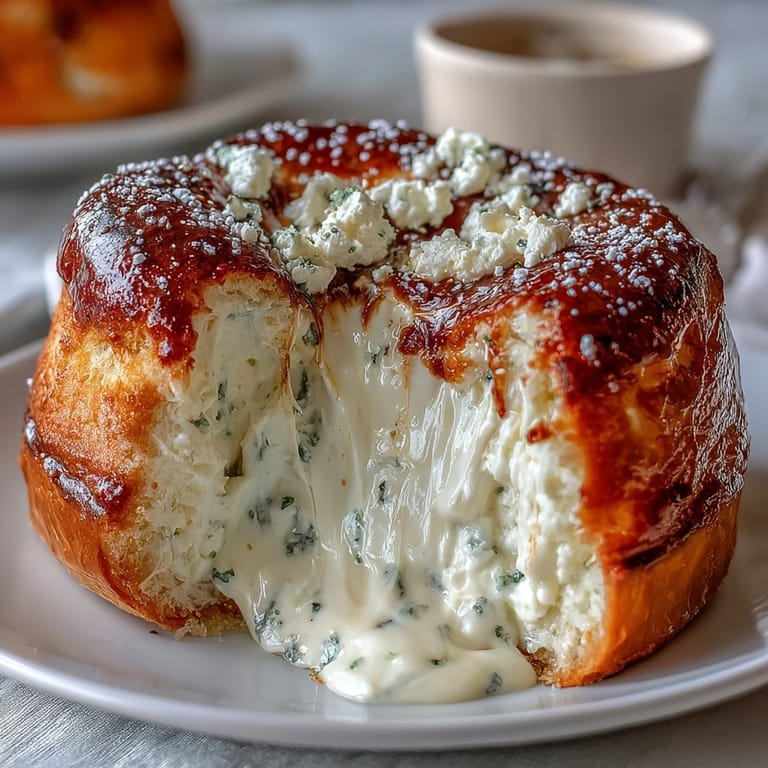
Save Making this pie has taught me that the best recipes aren't about complicated techniques or rare ingredients; they're about understanding a few simple things and doing them with care. When you sit down to a slice of this, you're tasting spring and tradition and the quiet satisfaction of having made something with your own hands that tastes like love.
Kitchen Guide
- → How can I ensure the pastry stays tender?
Use cold butter and minimal handling when mixing the dough. Chilling the dough before rolling helps maintain tenderness and prevents shrinkage during baking.
- → What is the best way to drain ricotta cheese?
Place ricotta in a fine sieve or cheesecloth over a bowl and allow it to drain in the refrigerator for several hours or overnight to remove excess moisture.
- → Can I substitute lemon zest with other citrus zest?
Yes, orange or lime zest can be used to add different citrus notes that complement the ricotta filling beautifully.
- → How do I know when the filling is perfectly baked?
The filling should be lightly golden on top and still have a slight wobble in the center when gently shaken to ensure creamy texture.
- → What are some suitable garnishes for this dish?
Fresh berries or a light dusting of powdered sugar enhance appearance and add a fresh, sweet contrast to the creamy filling.