 Save
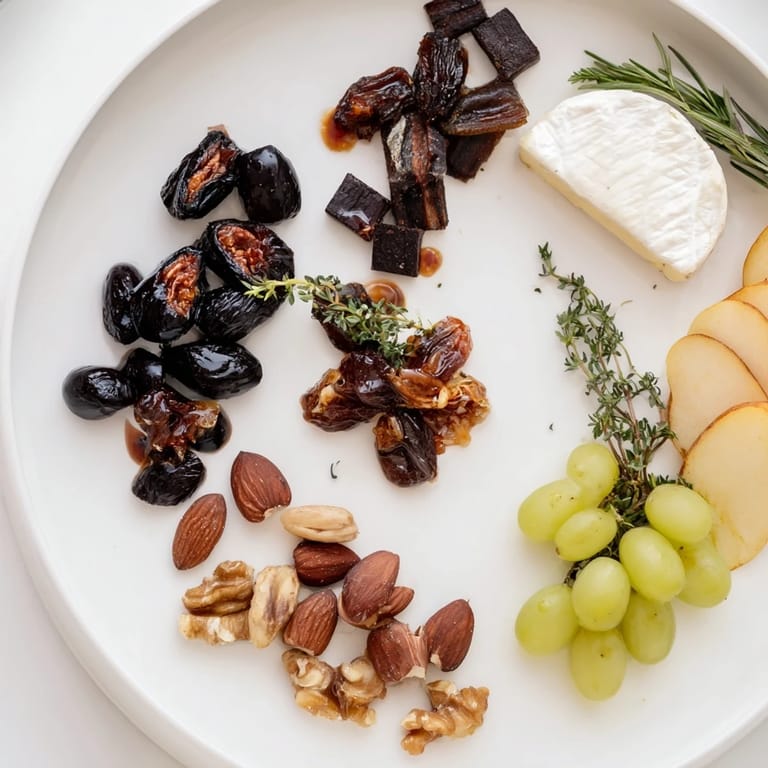
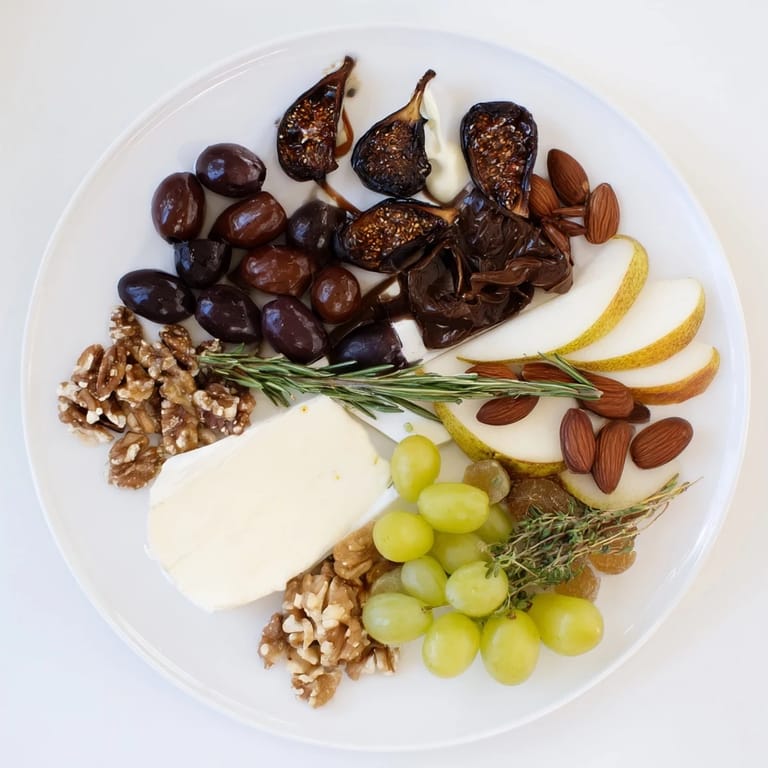
Save There's something about December that makes me want to gather people around a board full of contrasts. Last year, on the shortest day of the year, I found myself arranging dark olives and glossy figs on one half while setting out pale Brie and honeyed pears on the other, and it struck me how perfect the visual metaphor was. The board became this living symbol of balance—darkness and light, bitter and sweet, earthy and bright—all in one moment. My guests went quiet for a second when they saw it, which almost never happens. That's when I knew this board was more than just an appetizer.
I remember my brother asking if he could make one for his book club, and suddenly I realized this board had become something people wanted to recreate. He sent me a photo weeks later with a completely different arrangement—he'd used apples instead of pears and added some smoked cheese to the dark side—and it looked just as intentional. That's when it really hit me: this isn't a rigid recipe, it's permission to play with contrast.
Ingredients
- Kalamata olives: Buy them pitted so you're not wrestling with stones while you're trying to look graceful.
- Oil-cured black olives: These have a deeper, almost chocolatey bitterness that makes the dark side feel intentional.
- Dried mission figs: Halve them so people can grab them easily, and you'll notice how the deep purple interior catches the light.
- Fig jam: A small spoonful in a ramekin bridges sweet and savory, and guests love discovering it.
- Dark chocolate: Break it roughly so it looks organic, not overthought.
- Roasted almonds: They add crunch and earthiness that ties the dark side together.
- Fresh rosemary: Use it as a divider and garnish—it's both functional and fragrant.
- Ripe Brie cheese: Ask the cheesemonger if it's ready to eat, not if it needs a few more days of ripening.
- Pears: Slice them just before serving or toss them with a tiny bit of lemon juice so they don't oxidize.
- Honeycomb: If you can find it, use it for texture, but honey drizzled over everything works just as beautifully.
- Toasted walnuts: Their slight bitterness echoes the dark side while staying in the light.
- Seedless green grapes: They're the brightness that makes people smile when they see the board.
- Fresh thyme: Scatter it for color and that subtle herbal whisper.
- Baguette and crackers: Bring varieties so there's texture range—some crispy, some substantial.
Tired of Takeout? 🥡
Get 10 meals you can make faster than delivery arrives. Seriously.
One email. No spam. Unsubscribe anytime.
Instructions
- Choose your board and find your divider:
- Lay out your largest board and imagine a line down the middle. Use a row of fresh rosemary sprigs, a line of crackers, or even a thin spread of something to mark the divide so you have clear geography to work within.
- Build the dark side with intention:
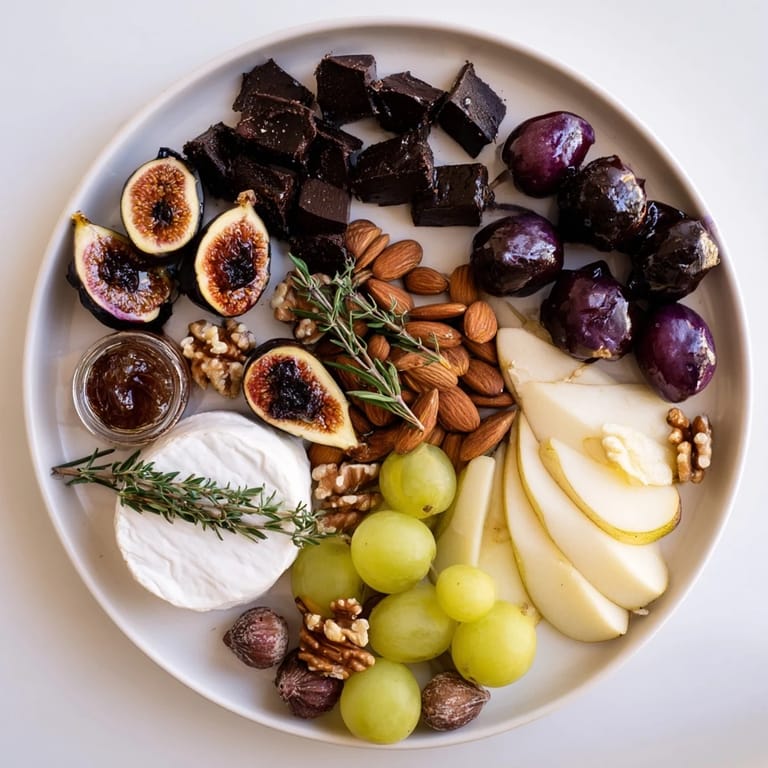
- Start with olives clustered in one corner, then scatter the fig halves so their deep centers face up. Add a small ramekin of fig jam, let dark chocolate shards catch light, sprinkle almonds for texture, and cap it all with a rosemary garnish that looks almost architectural.
- Compose the light side with care:
- Slice your pears just before this step and fan them slightly. Position the Brie wheel or wedge as your anchor, arrange pears in a loose pattern, drizzle or place honeycomb, scatter walnuts, and dot grapes around like little lanterns. Crown it with fresh thyme.
- Add your vehicles and serve:
- Place baguette slices and crackers along the center line or in small piles nearby so people can build as they please. Bring everything to room temperature and let people approach at their own pace.
 Save
Save What I love most about this board is how it changed a regular solstice gathering into something people still talk about. Someone brought it up at a party six months later, and I realized it had become a story they told other people.
The Power of Visual Balance
The whole point of this board is that it tells a story with color and contrast. The dark elements—those blackened olives, the burgundy figs, the chocolate—they ground the board and make you crave something savory. Then your eye travels to the light side and finds relief in the pale cheese, the green grapes, the honey. They need each other. I've noticed that when you really commit to this concept, guests naturally reach for both sides, experiencing the full flavor journey you created.
Timing and Prep Strategy
The beauty of this board is that almost nothing requires cooking, which means you can pull it together in the time it takes to get dressed. I usually slice my pears, arrange everything, and serve within ten minutes of when people arrive. If you're bringing this somewhere, assemble it where you're serving so the pears stay fresh and the Brie stays at its best temperature. Everything can be prepped separately at home and composed on site in minutes.
Making It Your Own
This board is flexible by design, so adapt it to what you find and what people around you eat. If you want more earthiness, add some cornichons to the dark side or swap the pears for apples. If you want richness, add prosciutto or a sharp Roquefort. The structure stays the same, but the personality shifts. Every board you make will be slightly different, and that's exactly the point.
- Keep the visual balance in mind even when you're substituting ingredients—if you add something rich to the light side, brighten it with citrus or fresh herbs.
- Taste as you build so you understand the flavor conversation between the two halves.
- Trust that white space and air on the board is as important as the ingredients themselves.
 Save
Save This board works because it captures a moment—the solstice, the turning year, the balance between what we've endured and what's coming. Serve it with wine, good conversation, and the knowledge that you've created something people will remember.
Kitchen Guide
- → How do I create the divided sections on the board?
Use a sprig of rosemary or a line of crackers to visually separate the dark and light flavor areas for a striking presentation.
- → What cheeses can I substitute for Brie?
Roquefort or Camembert work well as alternatives, offering different flavor profiles but similar creaminess.
- → Can I add meat to this board?
For a non-vegetarian option, thin slices of prosciutto can be added to either side to enhance savory notes.
- → What beverages pair nicely with this spread?
A dry sparkling wine or a light-bodied red complements the balance of sweet, salty, and creamy elements beautifully.
- → How should I serve the accompaniments?
Arrange sliced baguette and assorted crackers along the center or on separate plates to accompany the board’s components.