 Save
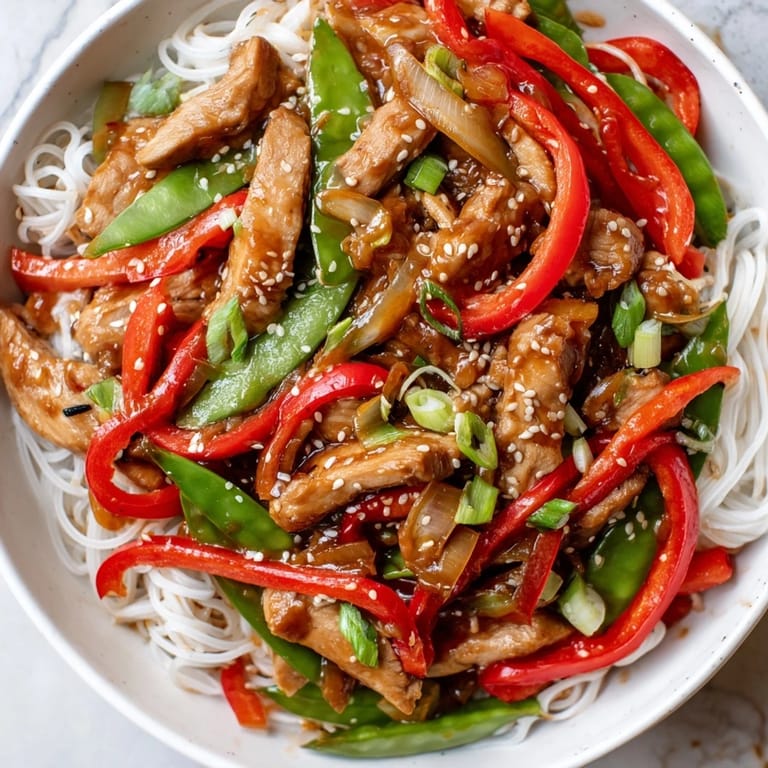
Save I stumbled onto this dish on a Wednesday night when I had leftover rice noodles going soft in the fridge and chicken thighs I'd forgotten to marinate. The sauce came together in a bowl while the wok heated, and within twenty minutes, my kitchen smelled like a street market in Beijing. My partner wandered in, drawn by the garlic and ginger, and declared it better than takeout. We've been making it ever since, sometimes with whatever vegetables need using up, and it never disappoints.
The first time I made this for friends, I doubled the batch and worried I'd gone overboard. By the end of the night, the serving bowl was scraped clean and someone had tucked the recipe into their phone notes. One friend admitted she'd never cooked with fresh ginger before, and watching her grate it while laughing about the smell on her fingers became one of those small, warm memories that sticks. Now every time I make it, I think of her standing at my counter, discovering something new.
Ingredients
- Boneless, skinless chicken thighs or breasts: Thighs stay juicier and handle high heat better, but breasts work if sliced thin and cooked quickly.
- Cornstarch: This coats the chicken and helps the sauce cling instead of pooling at the bottom of the pan.
- Soy sauce: The backbone of the sauce, bringing salt and umami depth that ties everything together.
- Hoisin sauce: Adds a sweet, slightly tangy richness that makes the sauce taste complex without extra effort.
- Brown sugar: Balances the salty elements and caramelizes slightly in the hot pan for extra flavor.
- Rice vinegar: A splash of brightness that cuts through the richness and keeps the dish from feeling heavy.
- Oyster sauce: Optional but worth it for an extra layer of savory sweetness and glossy finish.
- Sesame oil: Just a teaspoon brings a toasted, nutty aroma that makes the whole dish smell irresistible.
- Garlic and ginger: Fresh is essential here, their sharpness mellows into warmth as they cook.
- Crushed red pepper flakes: A gentle kick that you can dial up or down depending on who is eating.
- Red bell pepper and snap peas: They add color, crunch, and a slight sweetness that plays well with the sauce.
- Spring onions: Used twice, once in the stir-fry for mild onion flavor and again as garnish for freshness.
- Rice noodles or leftover pasta: Rice noodles are traditional and silky, but leftover spaghetti or linguine works surprisingly well.
- Neutral oil: Canola or sunflower oil can take the high heat without smoking or adding flavor.
- Toasted sesame seeds: A final sprinkle adds texture and a nutty finish that makes the dish feel complete.
Tired of Takeout? 🥡
Get 10 meals you can make faster than delivery arrives. Seriously.
One email. No spam. Unsubscribe anytime.
Instructions
- Prep the noodles:
- If using dried rice noodles, cook them according to the package directions, then drain and rinse under cold water to stop them sticking. If you have leftover pasta, just set it aside at room temperature.
- Coat the chicken:
- Toss the sliced chicken with cornstarch, salt, and pepper in a bowl until every piece is lightly dusted. This will help the sauce stick and give the chicken a slight crispness when it hits the hot pan.
- Mix the sauce:
- Whisk together soy sauce, hoisin, brown sugar, water, rice vinegar, oyster sauce, sesame oil, garlic, ginger, and red pepper flakes in a small bowl. Set it within reach of the stove so you can pour it in quickly when the time comes.
- Stir-fry the chicken:
- Heat one tablespoon of oil in a large wok or skillet over medium-high heat until it shimmers. Add the chicken in a single layer and let it sear without moving for a minute, then stir-fry until golden and cooked through, about four to five minutes total. Remove and set aside.
- Cook the vegetables:
- Add the remaining oil to the same pan, then toss in the bell pepper and snap peas. Stir-fry for two to three minutes until they soften slightly but still have a crisp bite.
- Combine and glaze:
- Return the chicken to the pan along with the sliced spring onions, then pour in the sauce. Stir everything together and let it simmer for one to two minutes until the sauce thickens and coats the chicken and vegetables with a glossy sheen.
- Toss in the noodles:
- Add the cooked rice noodles or leftover pasta to the pan and toss well, making sure every strand gets coated in sauce and warmed through. This should only take a minute or two.
- Garnish and serve:
- Transfer to a serving dish or individual bowls, then scatter extra spring onions and toasted sesame seeds on top. Serve immediately while everything is hot and glossy.
 Save
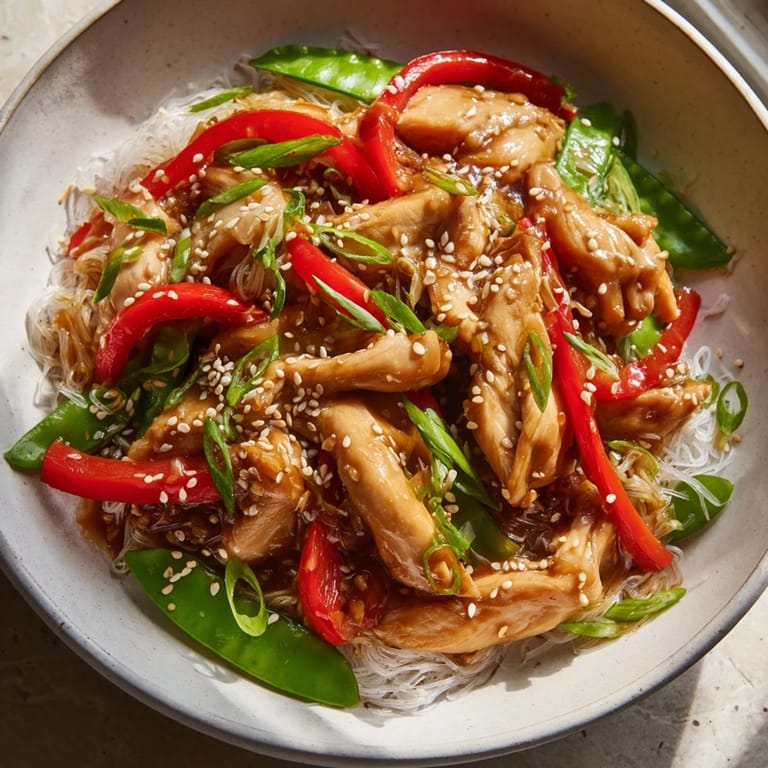
Save One evening I made this for my sister who had just moved into her first apartment and was living on frozen meals. She sat at my table, ate two bowls, and asked if cooking was always this easy. I told her it could be, and the next week she sent me a photo of her own version with broccoli instead of snap peas. Watching her fall in love with her own kitchen through this dish made it mean more to me than any restaurant meal ever could.
How to Make It Your Own
This recipe is forgiving and ready for improvisation. Swap the chicken for firm tofu cut into cubes and pressed dry, or use shrimp for a quicker cook time. If snap peas are not in season, try broccoli florets, thinly sliced carrots, or even baby corn for crunch. You can also adjust the sweetness by adding more or less brown sugar, or turn up the heat with extra red pepper flakes or a drizzle of chili oil at the end. Leftover spaghetti, linguine, or even wide rice noodles all work beautifully, making this a perfect way to clear out the fridge without sacrificing flavor.
Serving and Pairing
This dish is best served straight from the wok while the sauce is still glossy and the noodles are hot. I like to bring the whole pan to the table sometimes, letting everyone help themselves and sprinkle their own sesame seeds and spring onions. If you want to round out the meal, serve it with a simple cucumber salad dressed in rice vinegar and a pinch of sugar, or a bowl of steamed edamame on the side. A light, aromatic white wine like Riesling or a cold lager cuts through the richness and complements the sweet and savory notes beautifully.
Storage and Reheating
Leftovers keep well in an airtight container in the fridge for up to three days. The noodles will soak up more sauce as they sit, so the flavors get even deeper the next day. Reheat gently in a skillet over medium heat with a splash of water or soy sauce to loosen the noodles and bring back the glossy finish. You can also microwave it in short bursts, stirring in between, but the wok gives you better texture. If the noodles seem dry, a drizzle of sesame oil before serving brings everything back to life.
- Store in the fridge for up to three days in a sealed container.
- Reheat in a skillet with a splash of liquid to refresh the sauce.
- Add a drizzle of sesame oil or soy sauce if the noodles look dry after reheating.
 Save
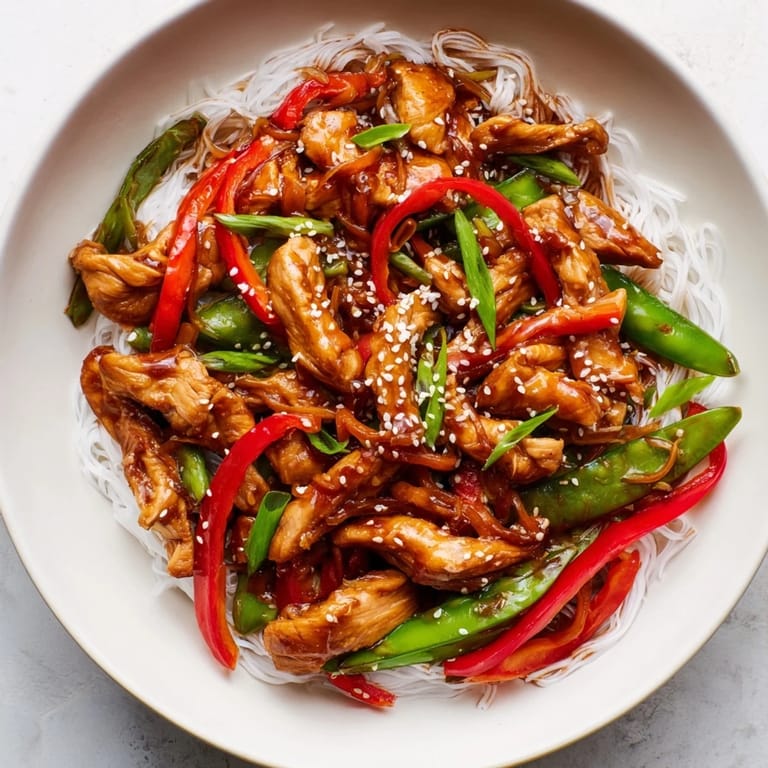
Save This dish has become one of those recipes I turn to when I want something comforting, fast, and full of flavor without a lot of fuss. It reminds me that good food does not have to be complicated, and that some of the best meals come from using what you already have and trusting your instincts in the kitchen.
Kitchen Guide
- → Can I substitute the chicken with other proteins?
Yes, tofu or shrimp are excellent alternatives that work well with the Mongolian-style sauce and cooking method.
- → What type of noodles works best for this dish?
Thin rice noodles are ideal for absorbing the savory sauce, but cooked leftover pasta can also be used as a convenient substitute.
- → How do I achieve the perfect sauce consistency?
Simmer the sauce with the chicken and vegetables until it thickens slightly, coating all ingredients evenly without becoming too sticky.
- → Can I adjust the sweetness of the sauce?
Absolutely. Modify the brown sugar quantity to suit your taste preference for a sweeter or more savory balance.
- → What garnishes complement this dish?
Fresh spring onions and toasted sesame seeds add aroma and texture, enhancing both presentation and flavor.
- → Is this dish suitable for dairy-free diets?
Yes, it contains no dairy ingredients, making it a great option for dairy-free meal plans.